How this researcher helps parents with their children’s mental health

Connell points to a noticeable upward trend in the levels of children experiencing anxiety.
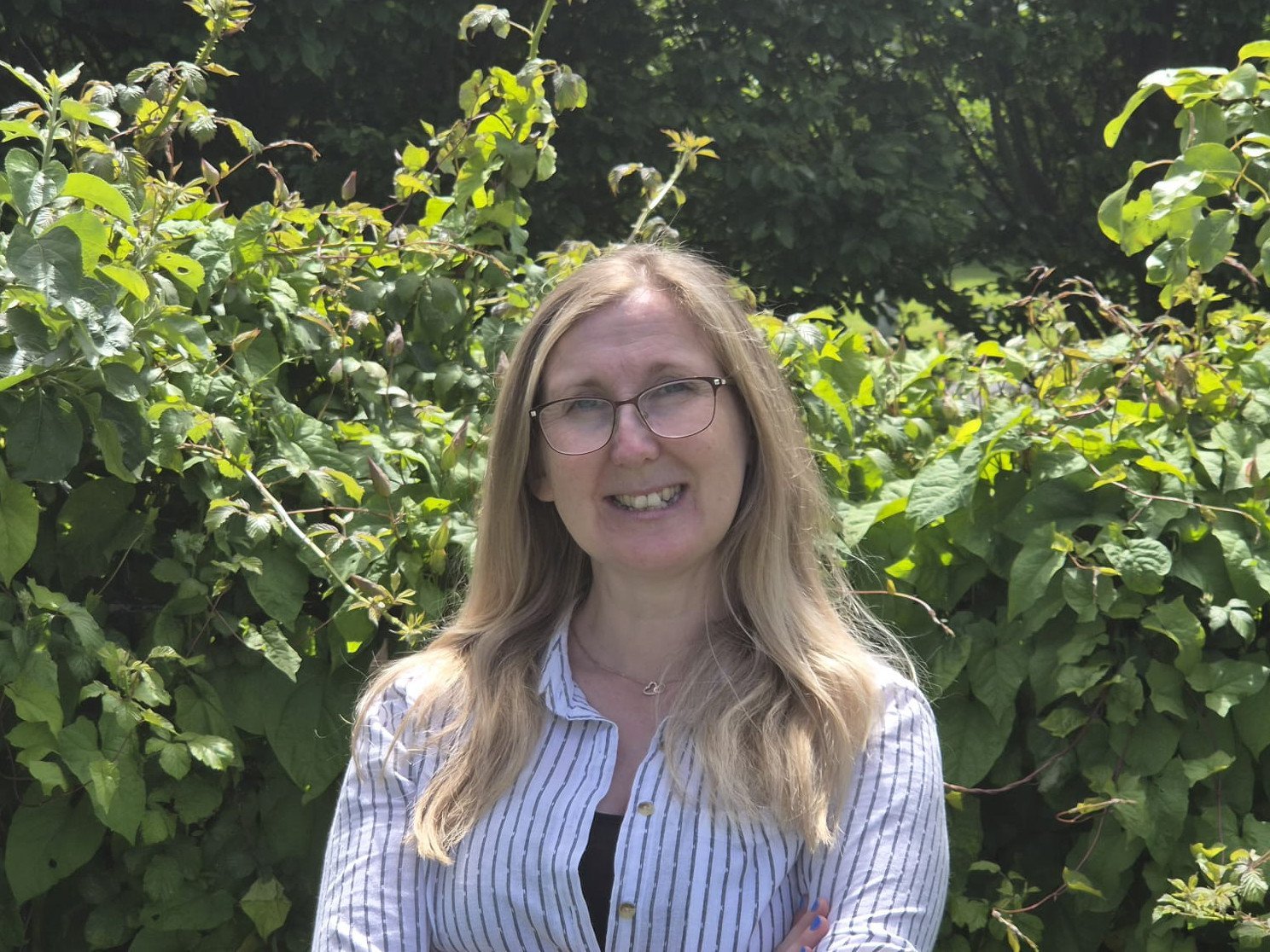
As a qualified mental health nurse for more than two decades, University College Dublin (UCD) PhD student Sandra Connell has turned her attention to developing an online resource for parents of children experiencing mental health hardships.
“My professional journey began in 2003 when I qualified as a mental health nurse. The experience sparked my interest in mental health education and led me into academia,” says Connell, who spent a number of years lecturing in mental health nursing in UK universities. She returned to Ireland and took up a similar role at UCD.
Her current doctoral research on youth mental health is supported by the UCD Foundation through a charitable donation from Cycle Against Suicide.
What inspired you to become a researcher?
My interest in research began to take shape during the time when I worked on two projects early in my academic career. I had the opportunity to shadow two highly experienced professors, watching how they approached questions, structured studies and worked with others for the project aim and I found this inspiring.
Even though my own role at the time was more focused on teaching and learning, I found myself drawn to the way they navigated the research.
The real spark came later when I took on the research assistant role. I realised how much I enjoyed gathering information and gaining a richer understanding of people’s experiences. That combination of structure, curiosity and meaning-making felt like a natural fit for me and ultimately led me to pursue a PhD.
Can you tell us about the research you’re currently working on?
The PhD I am currently undertaking is a doctoral scholarship in youth mental health, supported by the UCD Foundation through a charitable donation from Cycle Against Suicide.
The project began with a broad aim – design, develop and evaluate an online resource for parents of children experiencing mental health difficulties. Led by a review of the Irish landscape alongside the broader academic literature, I found myself increasingly drawn to experiences of parents of primary school aged children who are anxious, and how best to support them.
Through the early stages of the research, the project naturally evolved into a more focused direction- creating a digital resource to support parents in supporting their child. The project has been shaped through ongoing learning, co design and a growing understanding of what parents preferences and needs are those early, often uncertain moments.
In your opinion, why is your research important?
This research is important in light of a noticeable upward trend in the levels of children experiencing anxiety beyond ordinary worry, at levels that disrupt their daily lives and place additional strain on their parents.
This is happening against a backdrop of multifaceted barriers to support including inequities in service provision, long waitlists, and general uncertainty among parents about how or even whether to seek help.
Many families may also find themselves in a difficult gap; their child is struggling, but not to a level that meets diagnostic thresholds for formal support. This leaves parents searching for support and guidance at a time where they already often feel unsure, isolated, and overwhelmed. Intervening with parents, particularly for children of this age, can be crucial.
Parents are often the people who spend the most time with the child, notice early changes, and are tasked with accessing help for their child. By strengthening parents’ understanding, confidence, and sense of being able to respond to their child’s anxiety we hope to create meaningful change.
The goal is to create an accessible, user centred digital resource that meets parents where they are, providing something practical, grounded in what parents say they need, and designed in such a way that encourages engagement and usefulness.
What commercial applications do you foresee for your research?
My intention is for this resource to remain free and accessible to parents, reducing barriers and providing a supportive resource that is easy to access, trustworthy and available at the point of need.
As such, I don’t see commercialisation as the direction of this work.
What are some of the biggest challenges you face as a researcher in your field?
At this early stage, as a PhD student, one of my biggest challenges is being able to balance the different parts of the research process, i.e. reading, planning, collecting data, analysing, whilst managing uncertainty and keeping a clear sense of direction.
I’m fortunate to have very a supportive supervisor and their guidance making navigating those challenges feel much more manageable.
What are some of the areas of research you’d like to see tackled in the years ahead?
Because my project focuses on supporting parents to support their child, the outcomes I measure relate mainly to parents, their confidence, awareness and perception of whether the resource is helpful.
Once complete it would be great to see this expanded on, to bring children into the process of further refining or evolving the resource.
Don’t miss out on the knowledge you need to succeed. Sign up for the Daily Brief, Silicon Republic’s digest of need-to-know sci-tech news.