How spatial audio works on headphones and speakers – and the best way to experience it

Follow ZDNET: Add us as a preferred source on Google.
ZDNET’s key takeaways
- Spatial audio is advertised in several flagship headphones, earbuds, speakers, and soundbars.
- Spatial audio is a catch-all phrase, but there are more components to a 3D soundscape.
- The best way to experience 3D audio depends on your audio format and device compatibility.
Spatial audio is everywhere these days: soundbars, smart speakers, headphones, and earbuds all advertise a spatial audio experience. Music streaming services such as Apple Music and TV streaming services such as Disney+ advertise spatial audio, with Dolby Atmos being the most popular vessel for this auditory experience.
Also: I flew 2,700 miles with Apple, Sony, and Sennheiser headphones – this pair had the best audio
But what does spatial audio mean, how does it work, how do different devices deliver it, and what’s the best way to experience it? Here’s everything you need to know.
What is spatial audio?
The terms spatial audio, immersive audio, and Dolby Atmos are often used interchangeably, but each serves a different function in a three-dimensional soundscape.
Immersive audio refers to the user experience of hearing sounds from all around: above, behind, in front, left, and right. To achieve immersive audio, your content must be mixed in a three-dimensional format, or your hardware must support spatial audio processing.
Spatial audio refers to rendering technology and typically refers to the hardware inside headphones and earbuds. Spatial audio technology renders stereo or immersive audio formats into a three-dimensional soundscape and typically uses head-tracking technology to envelop you in sound.
Also: How Sony nearly ruled spatial audio – until Apple changed music forever
Dolby Atmos: Take Apple’s AirPods and Apple Music, for example. Apple advertises its headphones’ immersive audio experience as “Dolby Atmos with Dynamic Head Tracking.” Dolby Atmos is the object-based immersive audio format, while Dynamic Head Tracking is Apple’s spatial audio technology that moves with your head.
Though spatial audio is the most popular term for this auditory experience, Dolby Atmos and DTS:X are the most popular immersive audio formats, as they’re found on music, movie, and TV streaming platforms, and supported by several consumer hardware brands. When seeking an immersive audio experience, look for Dolby Atmos and DTS:X support on headphones, earbuds, and home theater equipment.
Do my headphones have Dolby Atmos?
Technically, yes, most headphones can reproduce Dolby Atmos when streaming on platforms like Apple Music or Disney+, because the Dolby Atmos file encoding occurs on your source device, such as a phone or laptop.
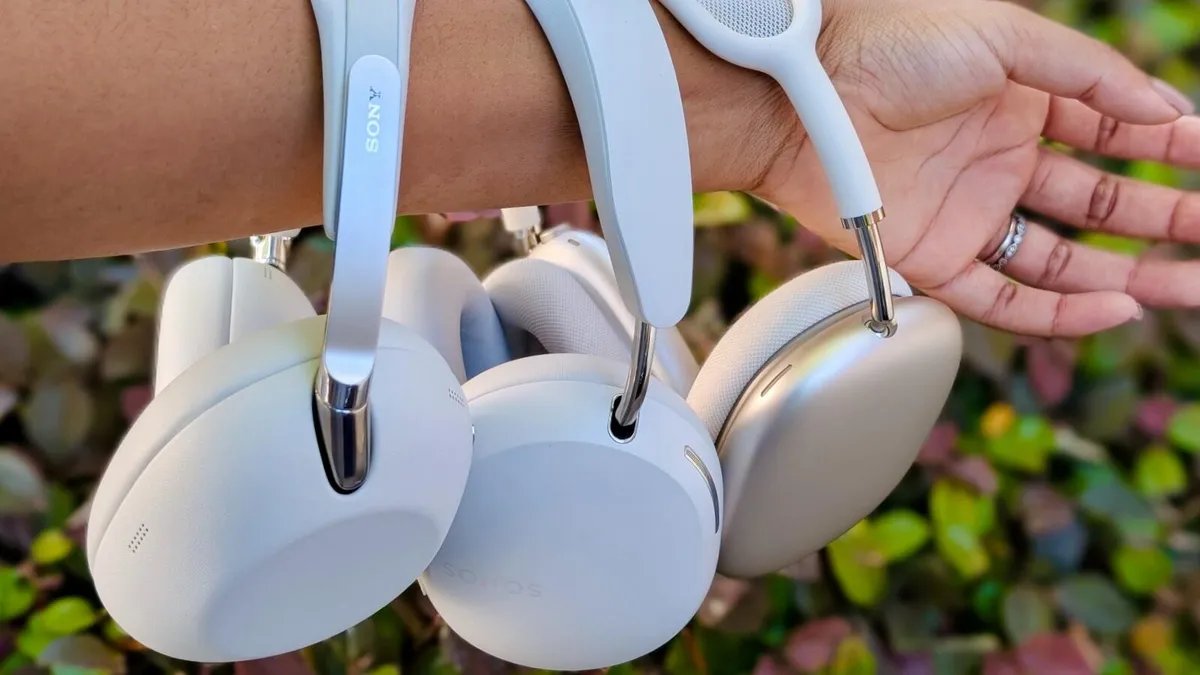
Though your headphones may support Dolby Atmos streaming, your immersive experience will vary if they lack spatial audio head-tracking technology. Additionally, headphones such as Apple’s AirPods, Sonos’s Ace, and Sennheiser’s Momentum 5 are optimized for Dolby Atmos playback and offer proprietary spatial audio rendering for head tracking.
What’s the best way to listen in spatial audio?
The best way to achieve an immersive audio experience is with multiple speakers. In a home theater setup, you’d ideally have a capable soundbar and rear speakers, each equipped with upfiring speakers for height audio. Additionally, multiple speakers provide physical separation, an open room can offer improved localization, and home theater room calibration technologies can improve tonal balance and the way sound interacts with your room.
The more speakers, the better, but a three-speaker setup is better than headphones. Immersive audio in headphones is limited to two speakers very close to your head, and spatial audio rendering has to work overtime to create artificial sound localization.
Also: I replaced my Sonos home theater with this Sony system – here’s why innovation is king
For this reason, not all headphones’ spatial audio rendering is created equal. Dolby Atmos is the most popular immersive audio format, and I’ve found that headphones optimized for Dolby Atmos deliver the best spatial audio head-tracking experience.
Headphones that forgo Dolby Atmos optimization and instead rely on proprietary immersive audio upmixing and spatial audio rendering, such as Sony’s WH-1000XM6 and Bose QuietComfort Ultra (2nd Gen), deliver an unreliable, overly digitized audio experience.
Can you have Dolby Atmos without spatial audio?
Yes, you can listen in Dolby Atmos without spatial audio rendering, and on certain headphones, you can enable spatialized sound on stereo tracks. Dolby Atmos is the immersive audio format, and spatial audio is the technology your headphones use to create a 3D soundscape.
Apple, JBL, Bose, Sony, Sennheiser, and others let you enable spatial audio on any media, but results may vary. Some things sound better in stereo than others, but it’s ultimately up to what your ears prefer.
Also: Sony Bravia Theater vs. Sonos: I’ve used both home theaters – here’s how to choose
Conversely, you can enable Dolby Atmos on Apple Music to “Always On,” and because your source device does the immersive audio format encoding, you’ll hear it in your headphones. However, without spatial audio rendering, your music won’t move with you, but your headphones’ soundstage should feel expanded.
How does spatial audio head tracking work?
Your headphones have accelerometers and gyroscopes inside, and both track your head’s movement and orientation. These sensors track your head movements relative to your device to determine your location in space. Your headphones also use these sensors for features such as head gestures, tap controls, and auto-play/pause.
Spatial audio with head tracking is a popular feature in upper-midrange and premium headphones, but each brand calls it by a different name. Apple’s moniker is Spatial Audio, Bose’s is Immersive Audio, Sony’s is Spatial Sound with Head Tracking, and JBL’s is Spatial Sound.
Why does Apple Music say ‘Dolby Atmos’ instead of ‘Spatial Audio?’
Apple Music uses Dolby Atmos as its immersive audio format, meaning tracks are mixed into a single master Dolby Atmos file and re-rendered based on your source device’s capabilities. So, you can play the same Dolby Atmos-mixed track on Apple Music through your headphones, soundbar, or multi-speaker home setup, but your listening experience will vary depending on each device’s speaker channel arrangement.
Also: I let Apple Music’s new AI tool curate my playlists for 24 hours – and discovered new hits
Dolby Atmos is the immersive audio file format, and Apple’s Spatial Audio technology is the 3D rendering. You can listen to a track on Apple Music in Dolby Atmos without enabling Spatial Audio for an additional layer of immersion via head tracking.
In this case, Dolby created the immersive audio format, and Apple’s hardware and spatial audio technology create a moving 3D soundscape.