Face it – you don’t actually need a brand new smartphone
If you are an Apple aficionado, you may be aware of the unannounced price hike that happened recently, when Mac and iPad prices jumped by 32% overnight. You are less likely to have heard of the deadly mine collapses happening in DR Congo, where most of the world’s coltan used in smartphones and computers is produced. The latest one, in January, killed 220 people, including around 70 children.
Like fast fashion, the tech sector has been good at hiding its human and environmental cost. So, whether it’s for financial or moral reasons, secondhand and repairable tech appear increasingly attractive.
Many of us embraced the throwaway tech culture of constant upgrades, not aware yet of the consequences. We felt justified, as every new camera lens was a sign of progress, every additional gigabyte of RAM on a laptop cause for celebration.
But most consumer tech products have reached their final form. All of our phones are flat, thin, light, reasonably to extremely performant, and that’s great! So do we really need to upgrade? For what?
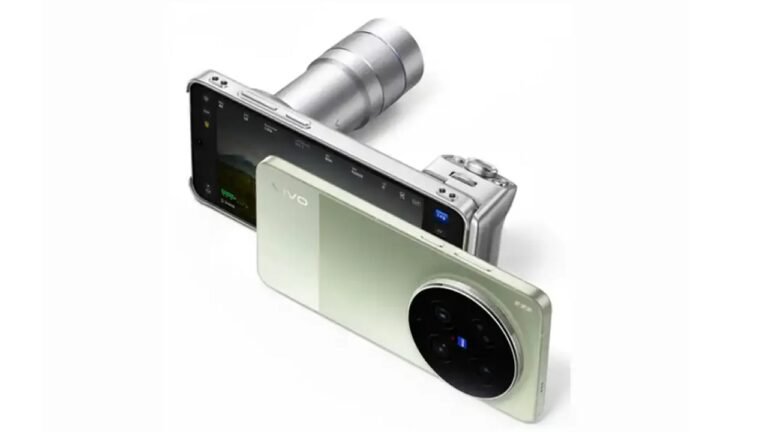
In a time of perpetual economic crisis, the flex of having the latest phone that costs more than the average monthly rent feels almost crass. That’s especially so when the only thing you get for it is an ever-so-slightly better camera or an intrusive AI assistant.
The tech and the fashion industries have a similar gargantuan appetite for natural resources, and a similarly underreported environmental footprint. Fashion pollutes more than the aviation sector; and tech is catching up fast, particularly as AI data centres drive an explosion in energy consumption. There is no reason to wait for the tech sector to catch up before acting.
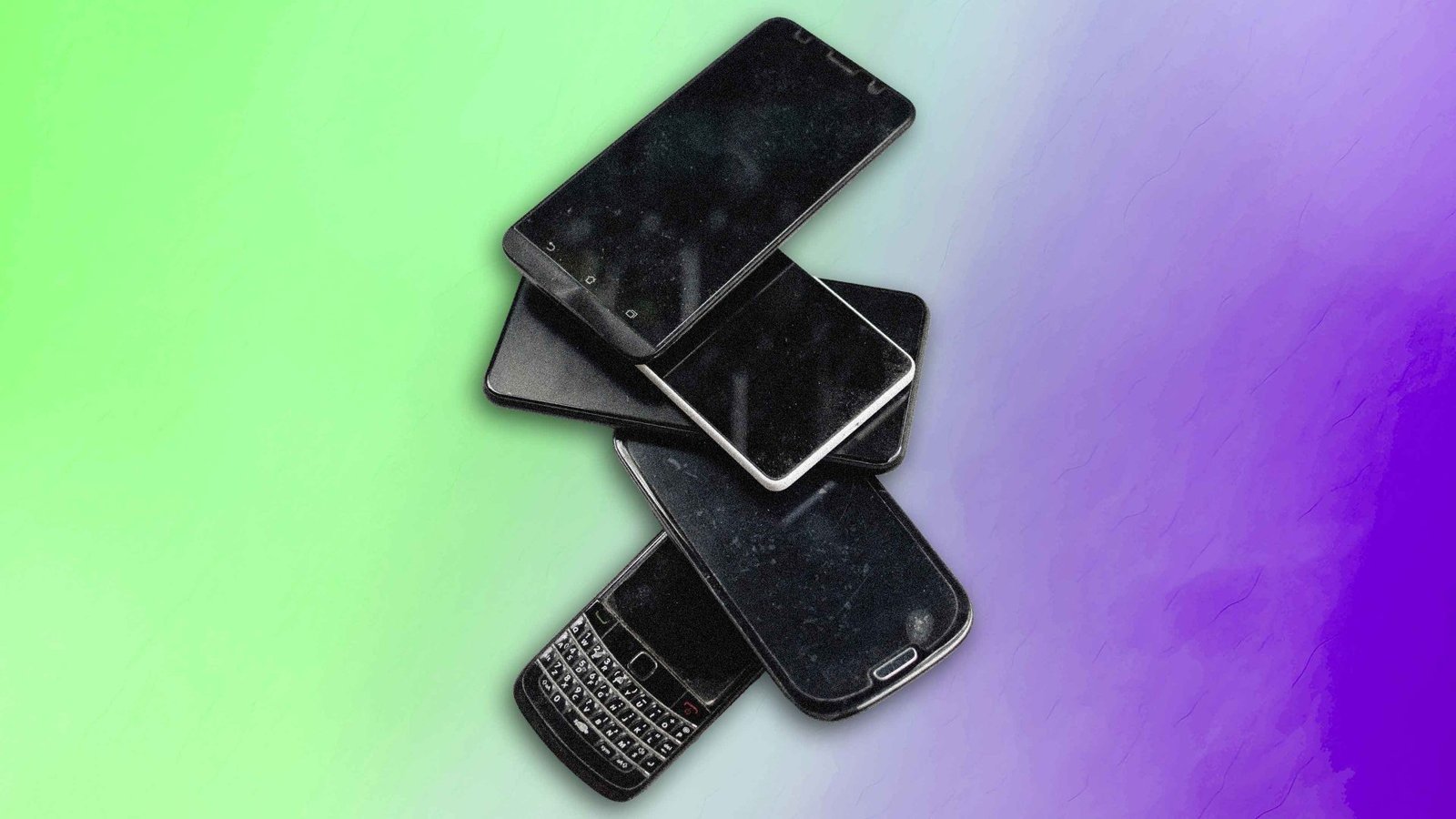
Secondhand clothing has been normalised; let’s do the same with tech. A refurbished laptop typically costs 30-50% less than new. A refurbished smartphone saves you around 25% on average, and up to 50% on older models. What’s not to love?
A few years ago, Vinted, the site for selling and buying secondhand that has become the third-largest fashion retailer in the country, created its own dedicated electronics category. It’s a smart bet. Global shipments of used smartphones are outgrowing those of new ones, and Back Market, the European refurbished phone giant, has seen its UK revenue soar by 80% year-on-year.
On platforms like these, you can find anything from speakers to the very same MacBook Air on which I’m writing these words. And yes, it is a secondhand one, because I love a bargain and being able to afford rent. So is my phone, which inspired this article, as I have to change its battery soon.
And yet, despite the industry boom, British consumers remain hesitant. In the UK, while 61% of consumers say they’re open to refurbished, only 22% would actually choose it over new.
From July 31, 2026, the Repair Directive means that EU member states have to ensure that it is easier and cheaper to repair products than to buy new ones, including smartphones.
It is sadly not the case here, even though the UK is the second-largest producer of e-waste per person.
The UK introduced its own repair rules in 2021, but basics like smartphones were quietly left off the list. Post-Brexit, British consumers have fewer repair rights than their European neighbours. That doesn’t mean consumers are not interested. For example, there are over 700 Repair Cafes across the UK where volunteers can help fix, among other things, electronics.
Let’s think of our tech as an old leather bag. They can be hand-me-downs or bought new, but let’s take care of them. Let’s use our tech until it’s scratched and roughed up. It gives it character. I still have a pair of noise-cancelling headphones held together with glue, bought during the pandemic to drown out my neighbour’s music. They keep me sane to this day.