World’s first robotic single-incision liver transplant gives six-year-old a new chance at life
A father’s decision to donate part of his liver, combined with advanced robotic technology, has marked a major milestone in pediatric transplant surgery.
A groundbreaking medical achievement has been recorded at the King Faisal Specialist Hospital and Research Centre (KFSH), where surgeons successfully performed the world’s first liver transplant using a single-incision robotic surgical system. The recipient was a six-year-old boy who received the left lobe of his father’s liver, giving him a new chance at life.
The child had been diagnosed with Wolcott-Rallison syndrome, a rare inherited disorder that causes recurrent episodes of acute liver failure beginning in early childhood. The transplant addressed the most life-threatening complication of the disease. According to the medical team, the transplanted liver began functioning normally immediately after surgery, and no early postoperative complications were reported.
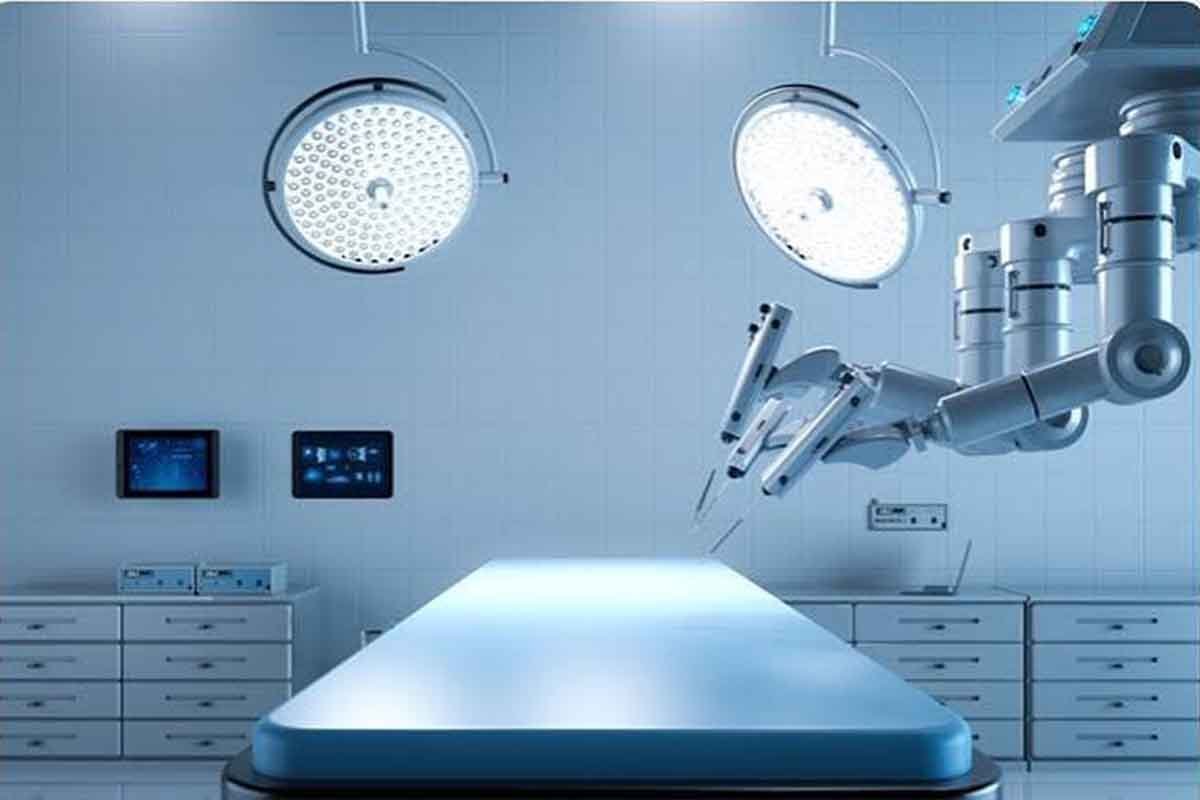
Unlike conventional robotic procedures, which typically require several small incisions, the single-incision approach allows surgeons to perform the operation through one small entry point. High-precision robotic instruments and a high-definition three-dimensional camera enable surgeons to carry out extremely delicate procedures, making the technique particularly valuable in pediatric liver transplantation, where tiny blood vessels and bile ducts require exceptional precision.
Experts believe the minimally invasive approach may reduce postoperative pain, shorten hospital stays, and accelerate recovery. However, they emphasize that advanced technology alone is not enough. Successful transplant outcomes also depend on careful patient selection, meticulous surgical planning, and the extensive experience of a highly specialized multidisciplinary team.
The operation represents another major milestone in KFSH’s robotic liver transplant program, which has already completed hundreds of advanced robotic procedures, including pioneering fully robotic liver transplants. Beyond its immediate success, this achievement highlights the growing role of robotic-assisted surgery in complex pediatric transplantation and offers new hope for children with severe liver diseases. It also demonstrates how medical innovation, combined with organ donation from living family members, can transform lives while advancing the future of transplant medicine.



![PnP-CoSMo: A Multi-Contrast MRI Reconstruction Framework based on Content/Style Modeling [R]](https://jobssz.com/wp-content/uploads/2026/07/d6rTpW7131dBgTTGfjDXPAIkblduF91pERLr20qfQH4.jpeg)