Waze piled on AI features, but only two are worth turning on
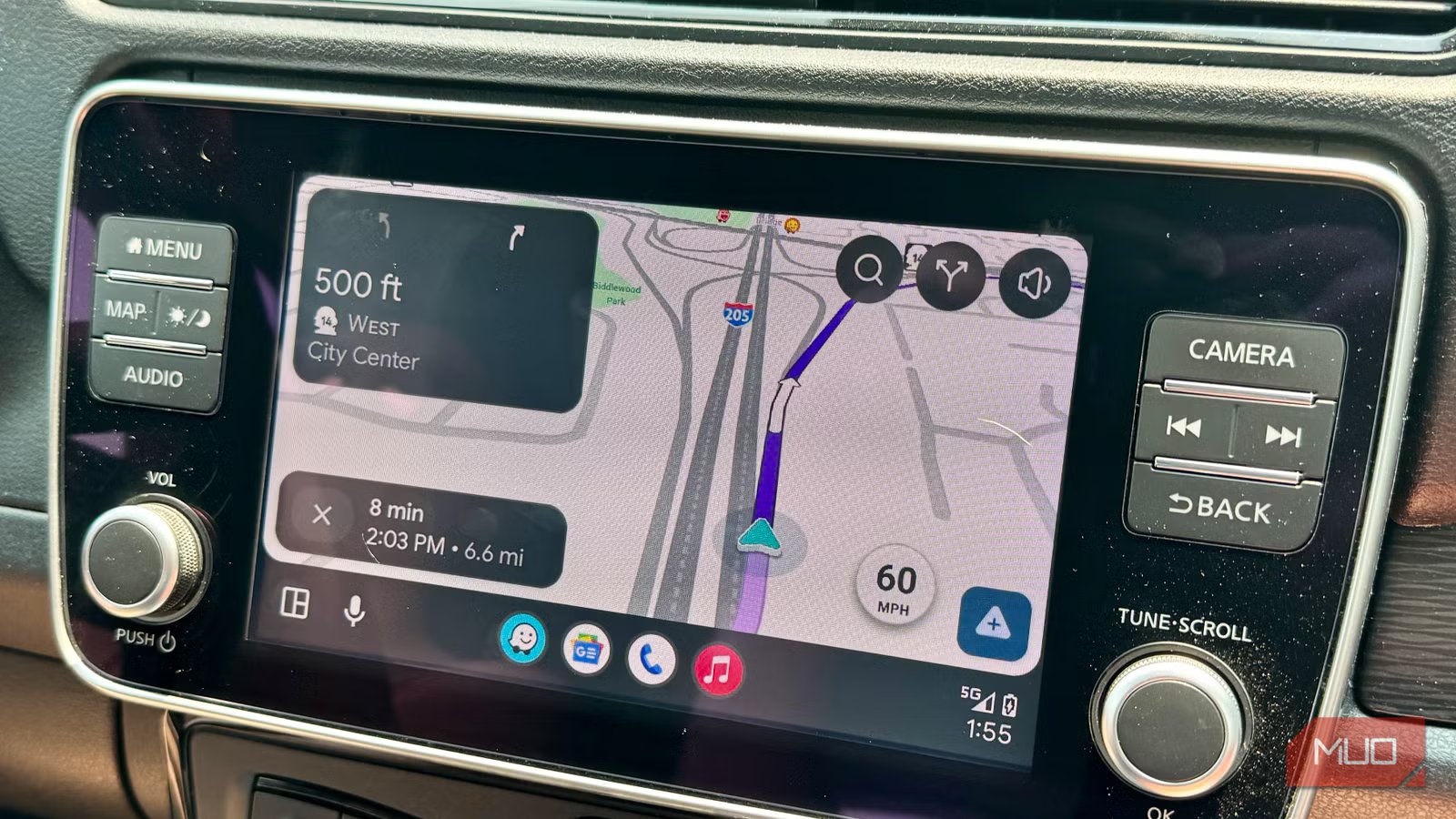
I’ve been driving with Waze as my Android Auto default since I switched over from Google Maps. So when Google announced five new AI features for Waze on July 13, I figured my newly adopted app was about to get even better. The only problem is, once I checked out what’s actually live for me in the US, I had to temper my enthusiasm, and the feature I was most curious about doesn’t even work (yet).
Two features you can’t even test yet
They’re locked behind a beta or a border

Google’s own announcement lists five changes, part of the same Gemini push reshaping Google Maps, but two of them aren’t available to most US drivers at all. Motorcycle mode uses AI to route around narrow bridges, shoulder endings, and other hazards specific to two-wheelers, but it’s only rolling out in Argentina, Brazil, Colombia, Malaysia, Mexico, Peru, and the Philippines. I don’t ride a motorcycle, and even if I did, I couldn’t turn this one on yet.
Gemini-powered destination search, where you tap the search voice icon and ask something like “find me a coffee shop that’s open right now,” is limited to Waze’s beta community. When I checked the Play Store to see whether I could join, it told me flatly: the beta program is full, so there’s the end of that.
That leaves three features every US driver with the latest Waze update can actually flip a switch on: personalized navigation, less chatty mode, and conversational road reporting. Only two were worth my time.
Less chatty mode is the clear winner
Fewer “in 800 feet” interruptions, with one tradeoff

Once enabled, less chatty mode cuts down how often Waze talks, keeping only the alerts that actually matter, like hazards, turns, and lane changes, while trimming everything else. The app’s existing Sound and voice menu already offered Normal, Alerts only, and Off, but Alerts only strips out routindidn’t get the multi-day teste turn-by-turn guidance entirely and just announces alerts. Less chatty slots in between: it keeps full navigation guidance, just fewer repeats and shorter prompts, rather than cutting guidance out altogether.
I tested both modes back to back on the same route with a podcast running. In Normal mode, Waze repeated each turn two or three times and gave me a heads-up a couple of turns before I actually needed it. With less chatty mode on, I got a single instruction per turn instead, no repeats, and noticeably less lookahead on what was coming further down the road.
Still, if you rely on Waze warning you well ahead of a tricky exit, less chatty mode gives you less runway to react. I didn’t encounter any hazard alerts during my test, so I can’t yet confirm those come through with the same immediacy. For most ordinary turns on a route I already sort of know, though, one clean instruction beat three interruptions to my podcast every time.
Personalized navigation is worth leaving on
A setting you can’t test in a day
Waze now tracks which kinds of routes you actually pick, like highways over side streets or fewer stops over shorter distance, and starts surfacing those preferences first the next time it plans a trip. The toggle lives at Settings > Privacy > Personalization > Personalized navigation, not under Navigation preferences where I expected to find it, and it’s actually two separate switches: Get personalized routes and Get personalized ETAs.
You can’t flip either toggle while the car is in motion. I had to park before Waze would let me change any settings here.
I’ll be honest that I didn’t get the multi-day test this really needs; judging whether Waze has learned my habits after turning the toggle on for one afternoon would be guessing, not reporting. But there’s no real downside to leaving it on. You can still pick an alternate route manually at any time, and personalization can be turned off entirely if it starts guessing wrong. It’s the rare AI feature with nothing to lose by trying it, even if I can’t yet vouch for how well it works.
Conversational road reporting didn’t work for me
The headline feature that never talked back

The last of the three I can personally use as a resident of the US and not a beta tester, conversational reporting, is supposed to let you tap the report button, say something like “the road is closed here,” and have Gemini route the update to local map editors, no menu tapping required.It didn’t respond for me. I tried it twice, tapping the mic inside Waze’s own “What do you see?” panel and speaking clearly both times, and got nothing back. The one time a report actually went through, it wasn’t through this feature at all: I’d triggered Android Auto’s system-level Gemini assistant instead, which relayed my report to Waze through a completely different path than the in-app conversational reporting Google announced. I tried it both connected to and unconnected to my car’s infotainment system via Android Auto; it dodn’t work either way.
Of course, I’m not writing this off as broken for everyone; Waze’s rollout has been uneven enough that a fix could land in any update. But two failed attempts against an existing report button that takes one glance and one tap isn’t enough for me to recommend switching.
Two features, not five
Between a feature I can’t access, a beta that’s already full, and a headline feature that didn’t work twice in a row, less chatty mode is the one I’d tell any Waze driver to turn on today, and personalized navigation is worth leaving on for the simple reason that it can’t hurt. Conversational reporting is the one I’m still waiting on Google to actually deliver.