S Korea nears 50% eco-car share as launches loom
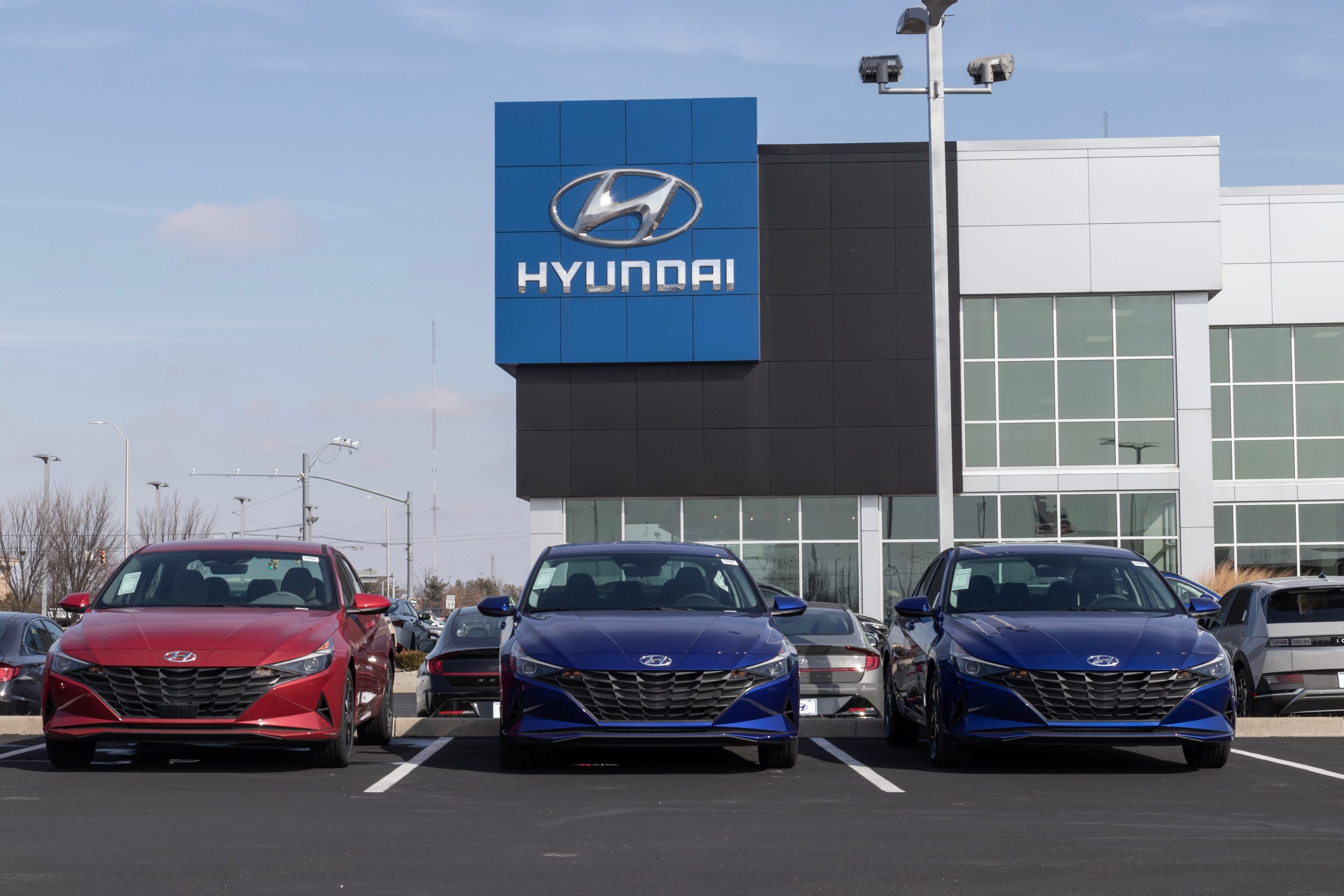
Imported eco-friendly cars make up 86.4% of sales, with subsidies covering EVs under KRW 53 million (US$35,000).
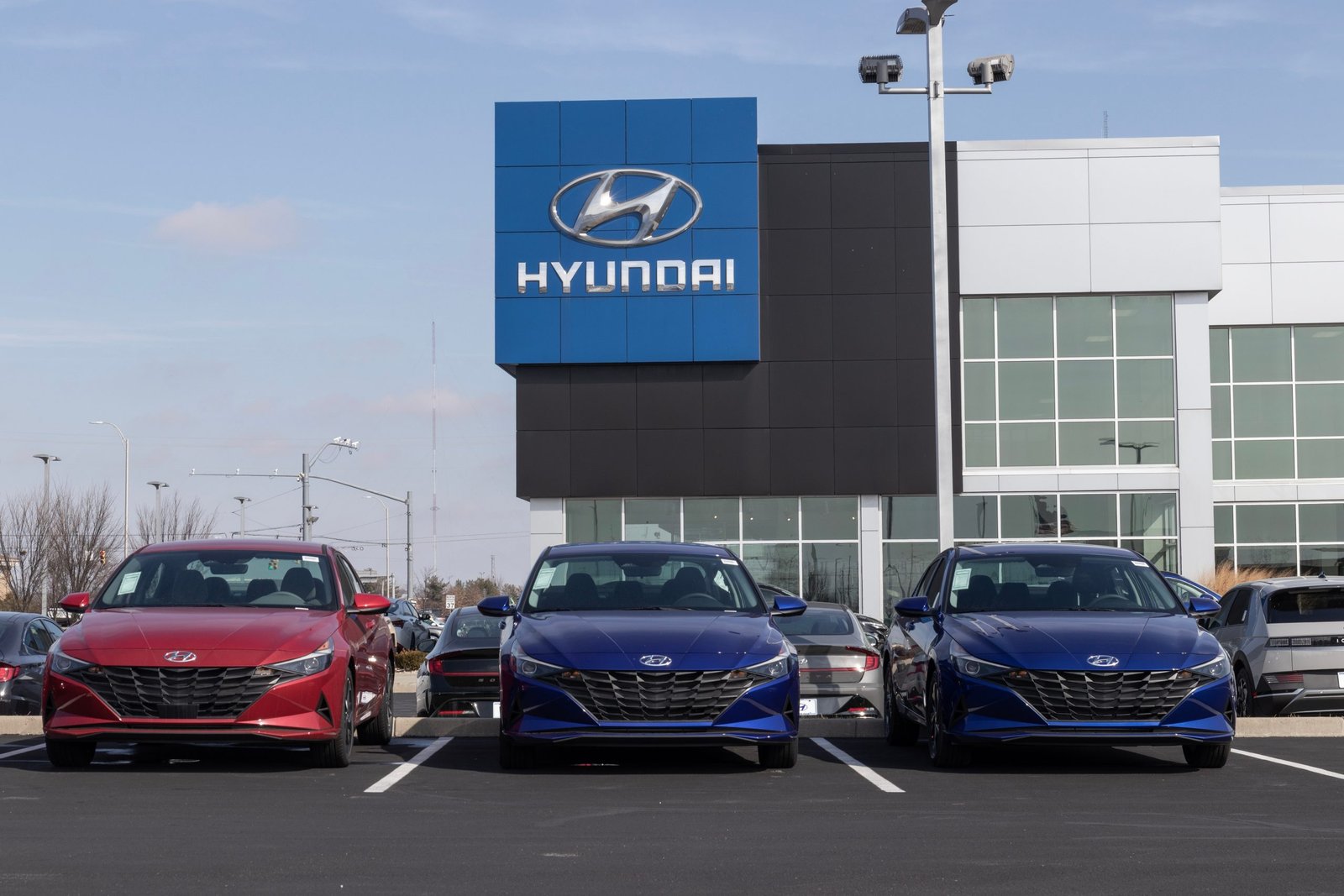
Imported eco-friendly cars make up 86.4% of sales, with subsidies covering EVs under KRW 53 million (US$35,000).

Check out today’s featured companies who have recently raised a round of funding, and be sure to check out the full list of past healthcare IT fundings. xCures Closes $46 Million Series B Financing to Transform Fragmented Medical Records into Decision-Ready Data Through Its Clinical Clarity Engine New Capital Brings Total Funding to More Than…

The humanoid robotics market is awash in money right now. Last week, AI2 Robotics, a Shenzhen-based startup that makes wheeled humanoid robots, raised roughly $735 million at a nearly $3 billion valuation. Earlier this year, Apptronik, an Austin-based maker of humanoid robots for manufacturing and logistics, closed a $935 million funding round valuing the company…
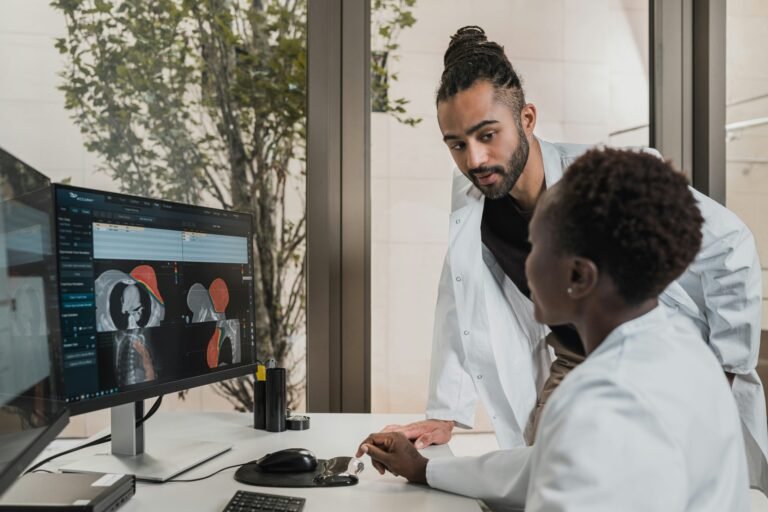
Healthcare tech’s most interesting shifts aren’t happening in exam rooms, but in the back office: the systems that decide who’s allowed to work in those exams rooms in the first place. Such is the gist of Kryterion’s newly-announced partnership with the American Registry of Magnetic Resonance Imaging Technologists, a Florida-based credentialing body that’s certified…

Crypto-focused venture capital (VC) firms are expanding investments into emerging technologies such as artificial intelligence (AI) and robotics. Major crypto VC firms including Paradigm are increasing the share of new funds allocated to areas beyond digital assets, including AI, robotics, energy and AI agents. According to Galaxy Research and Crunchbase, crypto VC investment and the…

Here are the companies in Hong Kong that are attracting tons of investors and have the resources to spend on software, talent, and expansion.
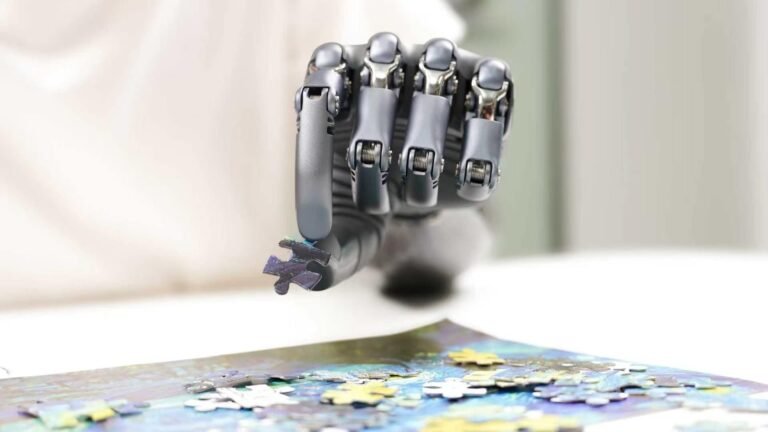
Brain-computer interfaces, a nascent technology, establishes a direct link between human minds and devices. BrainCo Elon Musk’s Neuralink, which uses implants in people’s heads to compensate for disabilities, has become the poster child for so-called brain-computer interfaces (BCI). But some companies are betting that mass-market neural tech won’t require opening the skull at all. BCI…