Defense Giants Invest Record Funds into Tech Startups
Major global defense contractors have invested a record $4.1 billion in venture capital rounds for military startups this year as the industry adapts to the rapid technological shifts characterizing modern warfare, Financial Times reported.
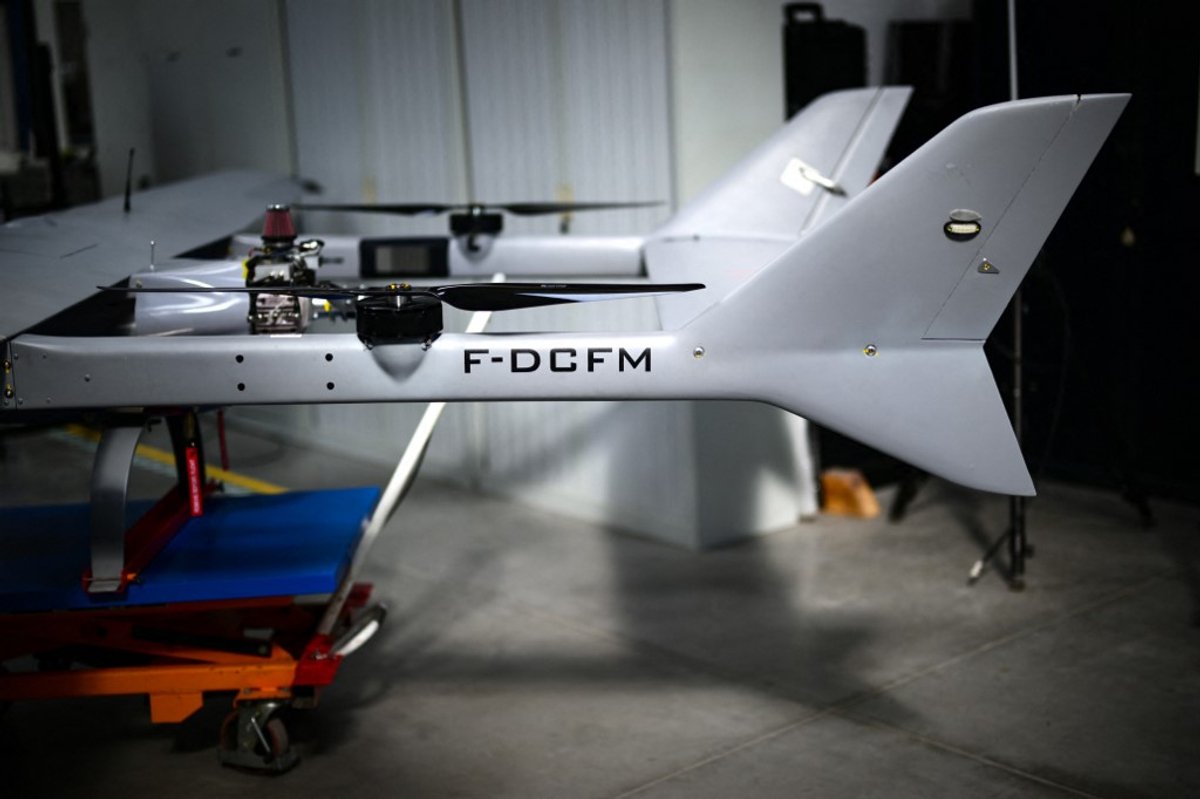
According to data from Dealroom, established defense conglomerates are increasingly funding startups capable of rapidly and cheaply producing new technologies, such as autonomous drones and interceptor missiles.
JOIN US ON TELEGRAM
Follow our coverage of the war on the @Kyivpost_official.
The total value of global defense sector transactions, including mergers, acquisitions, and venture capital investments, has exceeded $40 billion so far this year. The all-time high for such transactions was recorded in 2019 at $59 billion.
US-based Lockheed Martin, the world’s largest arms manufacturer by sales volume, recently announced a commitment to invest at least $100 million in British and European defense technology startups.
Concurrently, UK-based BAE Systems committed €50 million ($56.9 million) to two funds managed by Lakestar and Expeditions, which focus on European defense startups.
Industry analysts note that recent conflicts, including the war in Ukraine, have demonstrated a shift in warfare where traditional military platforms must be integrated with new disruptive technologies.
European strategic defense shifts
The surge in private sector defense investment coincides with a broader shift in European governmental defense strategies.
Following the collapse of a €100 billion ($114 billion) joint fighter jet program and similar setbacks with a joint tank project, Germany and France are redirecting their strategic focus away from large-scale joint conventional hardware development.
Other Topics of Interest
US Considers Ground Assault to Extract Enriched Uranium from Iran
The US military is reportedly developing plans for a ground operation targeting Iran’s underground nuclear sites as an alternative to airstrikes.
On July 18, German Chancellor Friedrich Merz and French President Emmanuel Macron announced an agreement to integrate conventional capabilities, deep precision strikes, and missile defense with France’s nuclear deterrence framework.
The bilateral partnership includes Germany’s unprecedented participation in upcoming French nuclear drills. German officials will observe the Poker exercise, a quarterly drill conducted by the French Air and Space Force involving Rafale fighters carrying simulated ASMPA nuclear cruise missiles.
The two governments have formed a steering group to examine the practical application of expanding France’s nuclear deterrence over Europe, aiming to manage escalation below the nuclear threshold.
Rather than pursuing new joint hardware platforms, Berlin and Paris stated that their remaining joint defense programs will focus on developing a common digital communication platform to ensure battlefield interoperability.
The two nations also agreed to coordinate on satellite frequencies and the EU’s secure communications satellite constellation, IRIS2, ahead of a planned space summit in September.