Samsung, LG Strike Back at Roborock’s Dominance with AI, Steam, and Security-Driven Robot Vacuums — BigGo Finance
Samsung Electronics and LG Electronics are sharpening their knives for a counterattack against China’s Roborock, which has come to dominate South Korea’s robot vacuum market. The two home appliance giants are successively launching new products featuring differentiated technologies—including artificial intelligence (AI) object recognition, high-temperature steam sterilization, and proprietary security systems—in a bid to reshape the market landscape.
LG Electronics officially launched its new robot vacuum, the ‘LG HomeBot AI Objet Collection Roni,’ on the 29th. The product’s standout feature is the industry-first application of 100-degree Celsius steam functionality to both the vacuum body and its docking station. The company stated that after cleaning, the system eliminates 99.99% of four types of harmful bacteria, including E. coli, and after mopping, it reduces five types of odor-causing substances, such as ammonia, by up to 97%.
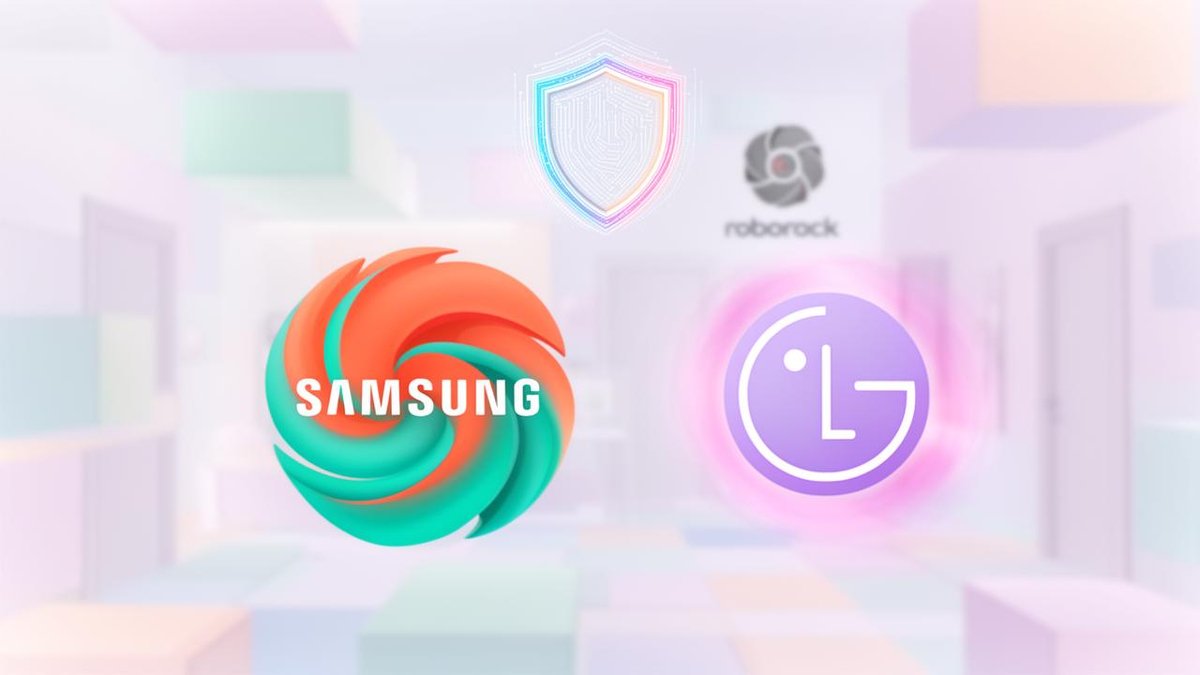
AI capabilities have also been significantly enhanced. Using its self-developed AI object recognition technology, the device can distinguish over 120 objects, including people, pets, furniture, and electrical cords. When linked with LG’s smart home platform, ‘ThinQ ON,’ it enables customized cleaning for specific pieces of furniture. Furthermore, the vacuum is equipped with the proprietary security system ‘LG Shield,’ which encrypts collected data and stores encryption keys separately to minimize the threat of external hacking or personal information leaks.
Samsung Electronics (005930.KS) accelerated its market offensive earlier in March with the launch of the ‘Bespoke AI Steam.’ This model features suction power doubled compared to its predecessors—strong enough to lift a 10-kilogram dumbbell—and improved AI cleaning performance, including the ability to detect transparent liquid spills using an RGB (red, green, blue) sensor. Samsung’s strategy is yielding results. Monthly sales of the ‘Bespoke AI Steam’ surpassed 20,000 units for the first time last month, a roughly 60% increase year-over-year. Consumer response has been particularly strong, with one in three newlywed couples purchasing home appliance packages choosing this model.
Samsung did not stop there. On the 11th, the company further diversified its lineup by unveiling a mid-range robot vacuum that retains core features at a lower price point. The strategy is to broaden consumer choice by expanding its product range across all tiers, from premium to entry-level.
The aggressive push of new products by Samsung Electronics and LG Electronics (066570.KS) is driven by an intent to check the dominance of Chinese companies that have seized control of South Korea’s robot vacuum market. Roborock currently holds an overwhelming lead with a market share exceeding 50%. Other Chinese brands, including Ecovacs, Dreame, Xiaomi, and Narwal, are also rapidly gaining ground.
According to market research firm IDC, global shipments of household robot vacuums reached 24.12 million units last year, growing 17.1% year-over-year. Notably, the top five companies by shipment volume were all Chinese, further solidifying the standing of Chinese-made robot vacuums in global markets, including South Korea.
However, growing consumer concerns have recently emerged as security issues surrounding Chinese-made robot vacuums, including those from Roborock, continue to be raised. Given the nature of robot vacuums, which collect information inside the home through cameras and sensors, the potential for data to be transmitted to overseas servers or for personal information to be leaked has come under scrutiny. Samsung Electronics and LG Electronics are precisely targeting this vulnerability.
LG Electronics is pursuing a strategy to alleviate consumer anxiety by prominently featuring its proprietary security brand, ‘LG Shield.’ Samsung Electronics is similarly emphasizing data protection features based on its own security platform, ‘Samsung Knox.’ Both companies are leveraging their identity as “trustworthy, South Korean-made” products as a key differentiator to exploit security distrust toward Chinese products.
At IFA 2025 in Berlin last year, LG Electronics showcased robot vacuum concepts featuring a built-in ‘Hidden Station’ and a free-standing ‘Objet Station.’ The Hidden Station is designed to be installed in unused spaces, such as under a kitchen sink, allowing the robot vacuum to be completely concealed when not in use, while the Objet Station is a table-type design that can be placed naturally in a living room or bedroom. The newly launched ‘LG HomeBot AI Objet Collection Roni’ inherits this design philosophy while significantly enhancing steam sterilization and AI functions.
An industry insider analyzed, “The robot vacuum market is expected to continue growing steadily, and there are many points of convergence with next-generation technologies like AI. While Roborock currently maintains its market share by having preempted the market, the market dynamics could very well shift if Samsung and LG continue to launch products backed by their technological prowess.”
With the two home appliance giants representing South Korea now launching their counteroffensive in earnest, competition in the domestic robot vacuum market during the second half of the year is expected to be fiercer than ever, centering on AI performance, security, and design in a battle between South Korean and Chinese manufacturers.