Chinese RAM Chip Giant CXMT Raises $8.5 Billion in Record IPO
A Chinese company that makes RAM chips just pulled off one of the wildest first days of trading anyone has seen in years.
ChangXin Memory Technologies, known as CXMT, listed on Shanghai’s STAR Market on Monday, and its stock price shot up nearly 470% before the day was done.
That surge briefly pushed the company’s market value past Tencent, making it the most valuable publicly traded company in mainland China.
Tencent, which trades in Hong Kong, took the top spot back by the end of the day, but CXMT still finished as the most valuable company listed inside mainland China, worth close to $490 billion.
To put that in perspective, CXMT raised at least $8.5 billion by selling 6.7 billion shares. That makes it China’s biggest stock market debut since the Agricultural Bank of China went public back in 2010.
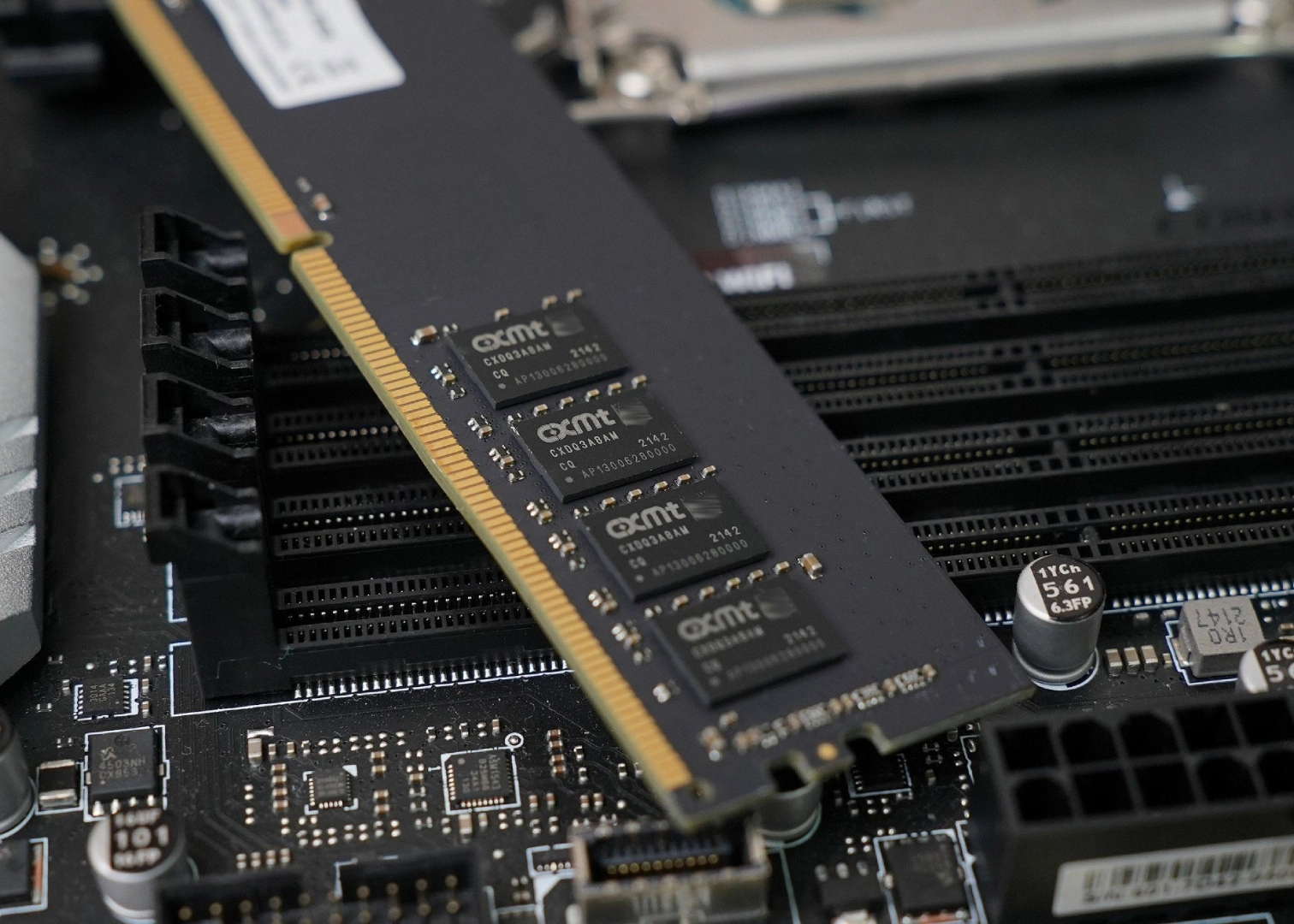
CXMT makes DRAM, the type of memory chip found in phones, laptops, servers, and pretty much anything else that needs to store and quickly access data while it’s running.
According to its own IPO filing, CXMT held about 7.67% of the global DRAM market in 2025 based on fourth-quarter sales. That’s still small compared to the three companies that dominate the industry: Samsung Electronics, SK Hynix, and Micron.
Together those three make up roughly 90% of the world’s DRAM supply. SK Hynix alone is worth around $881 billion, Micron is valued near $1 trillion, and Samsung’s chip division sits at around $1.1 trillion. So even after this jump, CXMT is still playing catch-up in terms of size.
Nevertheless, the demand for its shares tells its own story. The IPO was reportedly oversubscribed by 212 times, meaning far more investors wanted in than there were shares available.
Only about 7% of CXMT’s total shares were actually available for trading on day one, which analysts say is a big reason the stock spiked so hard. When supply is that tight and demand is that strong, prices move fast.
Memory chip prices have been climbing across the board because of surging demand tied to AI. Data centers need massive amounts of memory to train and run AI models, and that demand has rippled out to consumer electronics too.
Apple raised prices on Macs and iPads last month partly because of this. Apple CEO Tim Cook was even asked directly by the Wall Street Journal whether Apple might start sourcing memory chips from Chinese suppliers, and he didn’t rule it out, saying the company needs to look at all its options for supply.
That’s a big deal because CXMT is currently on a Pentagon blacklist over alleged ties to the Chinese military. Reports have suggested Apple has been pushing the U.S. government for a waiver that would let it buy CXMT’s chips anyway.
Separately, there have been reports that Apple has already started testing CXMT’s DRAM for devices sold specifically in the Chinese market.
China’s government has been actively encouraging this kind of growth in domestic chipmaking as part of a broader push to reduce reliance on foreign suppliers, especially in technology seen as strategically important.
READ: DeepSeek Eyes 2027 IPO After Raising Its Valuation Target to $71 Billion
CXMT, founded in 2016 and based in Hefei, says it plans to use most of the IPO money to expand memory chip production and fund more research and development.
The company also posted strong financial results heading into the listing, swinging from an operating loss the year before to a profit of over 35 billion yuan in the first quarter, driven by rising global demand for computing power.
Whether CXMT can keep growing into a true rival to Samsung, SK Hynix, and Micron remains to be seen, but for now, its stock market debut has shown that investors, especially in China, are betting big on the country’s ability to build a homegrown memory chip powerhouse.