PROJECT: DIGITAL DECEPTION – COMBATTING SARS PHISHING AND SAPS IMPERSONATION FRAUD
PLEASE SHARE THIS PUBLIC DOCUMENT
South Africa is experiencing an escalating wave of cyber-enabled fraud, with criminals targeting citizens through sophisticated impersonation schemes. The South African Revenue Service (SARS) and the South African Police Service (SAPS)
have both issued urgent warnings about new scams designed to steal personal information, extort money,
and damage institutional reputations. This project outlines the mechanics of these scams, provides clear identification markers, and equips citizens with the knowledge to protect themselves and report suspicious activity.
THE PROBLEM: A MULTI-PRONGED ATTACK ON PUBLIC TRUST
These coordinated scams represent a direct threat to personal security and public confidence in government institutions by:
1. IMPERSONATING TRUSTED AUTHORITIES:
-
Fraudsters are using the names, branding, and even cloned phone numbers of SARS and SAPS to deceive victims into believing they are dealing with legitimate officials.
2. EXPLOITING FEAR THROUGH URGENCY:
-
Scammers create false narratives of outstanding tax debts, pending arrests, or urgent operational requirements, prompting immediate, panic-driven action from victims.
3. HARVESTING SENSITIVE PERSONAL DATA:
-
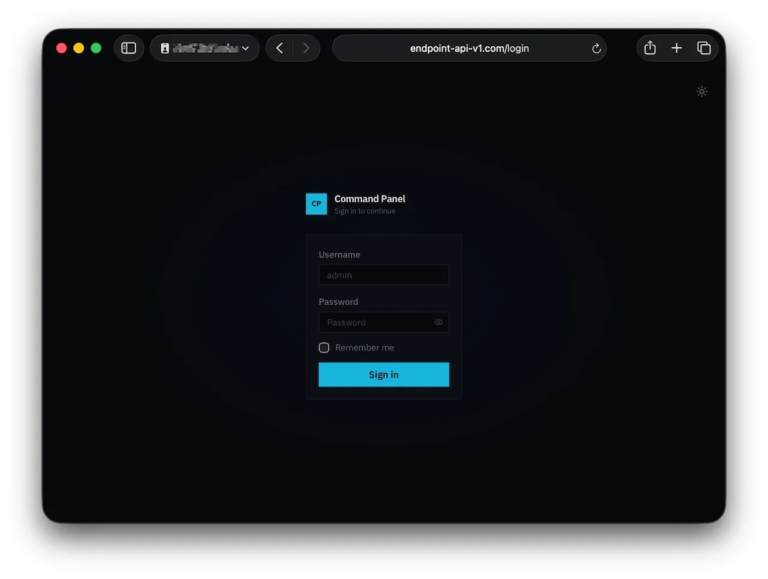
Phishing sites and fraudulent communications are designed to extract ID numbers, banking details, passwords, and other credentials that can be used for identity theft or sold on criminal networks.
4. ERODING TRUST IN OFFICIAL SYSTEMS:
-
By mimicking legitimate government processes, these scams make citizens wary of genuine communications, creating administrative friction and undermining the effectiveness of official channels.
KEY DETAILS OF THE SCAMS:
SCAM 1: SARS PHISHING EMAIL
-
The bait:
-
The trap:
-
The catch:
-
The Impersonation:
-
Fraudsters mask a real SARS employee’s name and contact details in the email signature, but the sender’s email domain will differ from the official @sars.gov.za. The criminals rely on victims not scrutinising the full email header or verifying the sender address.
-
-
Always verify the sender’s email address. Look for the official @sars.gov.za domain.
-
Be cautious of any unsolicited communication that asks you to settle an outstanding balance or debt via a link in an email.
-
SARS will never request your banking details, passwords, credit card information, or other personal information via email or SMS.
-
If you receive a suspicious email, do not open attachments or click on links. Report it to SARS by forwarding the email to phishing@sars.gov.za.
SCAM 2: SAPS TELEPHONE IMPERSONATION SCAM
-
The bait: A victim receives a call from a number that appears to be the official SAPS Provincial Commissioner’s office (021 417 7148) through number-cloning technology.
-
The trap: The caller falsely accuses the victim of being linked to a parcel of contraband found at an airport.
-
The catch: The scammer intimidates the victim into paying money to avoid arrest, exploiting fear of legal consequences.
-
Fraudsters use caller ID spoofing to clone legitimate SAPS numbers.
-
They rely on victims trusting the displayed number and being too panicked to question the legitimacy of the call.
-
SAPS officials will never demand money to prevent an arrest or prosecution over the phone.
-
Legitimate law enforcement will not threaten immediate arrest without following proper legal procedures.
-
Always hang up and call back on an official SAPS number obtained from the official website.
SCAM 3: SAPS RECRUITMENT SCAMS
-
The bait:
-
The trap:
-
The catch:
-
SAPS never charges a fee at any stage of the recruitment process.
-
All legitimate vacancies are advertised exclusively on the official SAPS website (saps.gov.za) and verified channels.
-
Be suspicious of any recruitment offer shared via social media or messaging apps without an official link.
SCAM 4: IDENTITY FRAUD TARGETING BUSINESSES
-
The bait:
-
Fraudsters use a real police captain’s identity, stolen from official platforms, to target guesthouses and accommodation establishments.
-
-
The trap:
-
The catch:
-
The fraudsters ask the business to purchase airtime for “operational purposes” and promise reimbursement.
-
They pocket the airtime and the business never receives reimbursement.
-
-
Never rely on photographs or documents sent electronically as proof of identity.
-
Fraudsters alter photographs and use fictitious force numbers.
-
Verify any unusual requests with the official SAPS contact number before taking action.
-
Be wary of any request to purchase items or transfer money on behalf of an official.
OTHER SCAM ALERTS FROM SAPS IN 2026:
KEY CHALLENGES:
2. SOPHISTICATED IMPERSONATION:
-
Fake websites, cloned phone numbers, and stolen identities make these scams increasingly difficult to distinguish from legitimate communications.
-
Scams create panic and urgency (“imminent arrest,” “outstanding debt,” “limited recruitment slots”), overriding a person’s usual caution.
5. SOCIAL MEDIA AMPLIFICATION:
BE INFORMED & VIGILANT:
1. ALWAYS VERIFY THE SENDER:
-
For emails, check that the domain matches @sars.gov.za or @saps.gov.za.
-
For calls, hang up and call back on an official number obtained from the official website.
2. KNOW OFFICIAL PROCESSES:
3. CHECK OFFICIAL SOURCES:
-
For recruitment, only trust the official SAPS website. For tax-related issues, always log in directly to the official SARS eFiling website.
VERIFY BEFORE YOU ACT:
-
Do not open attachments or click on links in unsolicited emails. If you receive a tax notification, go directly to the official SARS eFiling site by typing the address yourself into your browser.
-
Never transfer money or purchase airtime based on a phone call, even if the caller ID appears legitimate.
-
Do not pay fees for job applications – legitimate government processes are free.
REPORT SUSPICIOUS ACTIVITY:
If you receive a phishing email, suspicious phone call, or encounter a fraudulent recruitment advertisement, report it to the authorities:
-
SARS: Forward suspicious emails to phishing@sars.gov.za.
-
SAPS: Report cybercrime or impersonation at your local police station.
-
SAPS Crime Stop: Call 08600 10111 to report scams anonymously.
-
The Southern African Fraud Prevention Service (SAFPS): Report identity theft and fraud to help protect yourself and others.
SHARE RESPONSIBLY:
-
Warn your family, friends, and community groups.
-
Share screenshots of scam messages and fraudulent advertisements (if safe to do so) to alert others.
-
Use social media to spread awareness, not panic.
-
Only share information from verified official sources to avoid amplifying misinformation.
STAY INFORMED:
-
Regularly check the official SARS and SAPS websites for scam alerts.
-
Follow verified government social media accounts for updates.
-
Educate yourself on common scam tactics and share this knowledge with your community.
THE HUMAN COST: IDENTITY THEFT, FINANCIAL LOSS, AND REPUTATIONAL DAMAGE
While some scams lead to direct financial loss through extortion or fraudulent payments, others have far-reaching consequences:
-
Victims who share personal information on phishing sites risk having bank accounts opened in their name, loans taken out fraudulently, and their identity used in further crimes.
2. FINANCIAL DEVASTATION:
FINAL REMINDERS:
-
SARS will never request personal information via email or SMS.
-
SAPS will never demand payment to prevent arrest or to process recruitment.
-
Always verify before you act – check the sender, the website, and the source.
-
If something feels suspicious, trust your instincts and report it.
-
Stay informed. Verify the source. Protect your identity. Stop the scam.
SOURCES:
-
Scam alert – Email appearing to be from a SARS employee | South African Revenue Service
-
SAPS Western Cape warns public of telephone scam involving cloned Provincial Commissioner’s office number | SAPS
-
‘Don’t disappoint me with the balance’: Police condemn false bribery screenshots | The Citizen
-
Beware of the latest impersonation scam | South African Revenue Service
-
What you need to know about the latest SAPS job scam alert | African News Agency
-
SAPS warns public of vacancy scam | SAnews
-
SAPS warns South Africans about fake police recruitment adverts | The Witness
-
Avoid tax scams: Verify SARS communications | Nedbank
-
Gauteng SAPS issues warning about identity fraud targeting businesses | African News Agency
-
South Africans, beware: ‘Police Officer Trainee Learnerships for 2026’ ads circulating on social media are a scam | Africa Check
RELEVANT SSS PROJECTS:
Specialised Security Services invites the public to the Mike Bolhuis Daily Projects WhatsApp Channel.
This channel is important in delivering insights into the latest crime trends, awareness, warnings and the exposure of criminals.
How to Join the WhatsApp Channel:
1. Make sure you have the latest version of WhatsApp on your device.
2. Click on the link below to join the Mike Bolhuis Daily Projects WhatsApp Channel:
3. Follow the prompts to join the channel.
4. Make sure you click on “Follow”, then click on the “bell”-icon (🔔)
CONTACT MR MIKE BOLHUIS FOR SAFETY AND SECURITY MEASURES, PROTECTION, OR AN INVESTIGATION IF NEEDED.
ALL INFORMATION RECEIVED WILL BE TREATED IN THE STRICTEST CONFIDENTIALITY AND EVERY IDENTITY WILL BE PROTECTED.
Specialist Investigators into
Serious Violent, Serious Economic Crimes & Serious Cybercrimes
PSIRA Reg. 1590364/421949
Follow us on Facebook to view our projects –
EXTREMELY IMPORTANT: All potential clients need to be aware that owing to the nature of our work as specialist investigators there are people who have been caught on the wrong side of the law – who are trying to discredit me – Mike Bolhuis and my organisation Specialised Security Services – to get themselves off the hook. This retaliation happens on social media and creates doubt about our integrity and ability. Doubt created on social media platforms is both unwarranted and untrue. We strongly recommend that you make up your minds concerning me and our organisation only after considering all the factual information – to the exclusion of hearsay and assumptions. Furthermore, you are welcome to address your concerns directly with me should you still be unsatisfied with your conclusions. While the internet provides a lot of valuable information, it is also a platform that distributes a lot of false information. The distribution of false information, fake news, slander and hate speech constitutes a crime that can be prosecuted by law. Your own research discretion and discernment are imperative when choosing what and what not to believe.
STANDARD RULES APPLY: Upon appointment, we require a formal mandate with detailed instructions. Please take note that should you not make use of our services – you may not under any circumstance use my name or the name of my organisation as a means to achieve whatever end.
POPI ACT 4 of 2013 South Africa: Mike Bolhuis’ “Specialised Security Services” falls under Section 6 of the act. Read more here: https://mikebh.link/fntdpv
SSS TASK TEAM:
Copyright © 2015- PRESENT | Mike Bolhuis Specialised Security Services | All rights reserved.
Mike Bolhuis Specialised Security Services
Add us to your address book
THIS PUBLIC DOCUMENT WAS INTENDED TO BE SHARED, PLEASE DO SO.