Making robots faster by helping them think ahead
 |
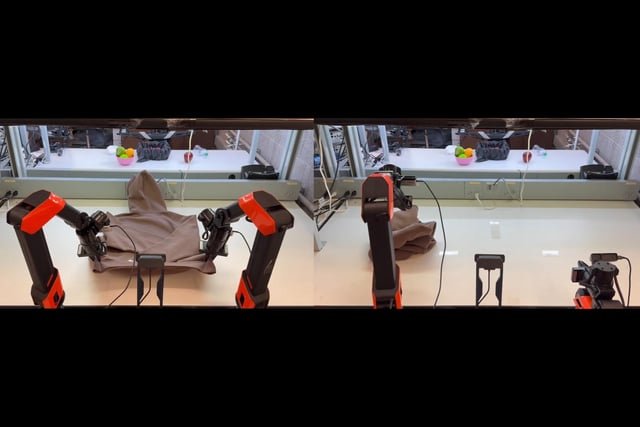
By planning actions based on the future position of a robot, the VLASH technique streamlines motions and accelerates performance. submitted by /u/Gari_305 |
| |
By planning actions based on the future position of a robot, the VLASH technique streamlines motions and accelerates performance. submitted by /u/Gari_305 |
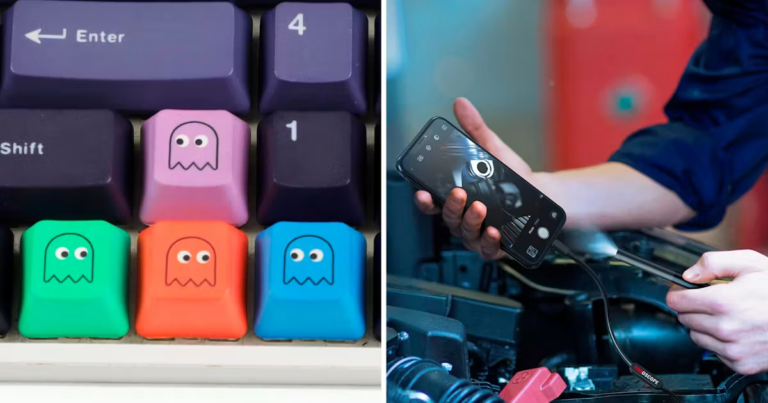
Shopping These finds are playful, practical, and oh-so-cheap. Written by Yasmine Singh We may receive a portion of sales if you purchase a product through a link in this article. The Inverse shopping team is on Amazon a lot, so we find a bunch of cool things all the time — and some are too…
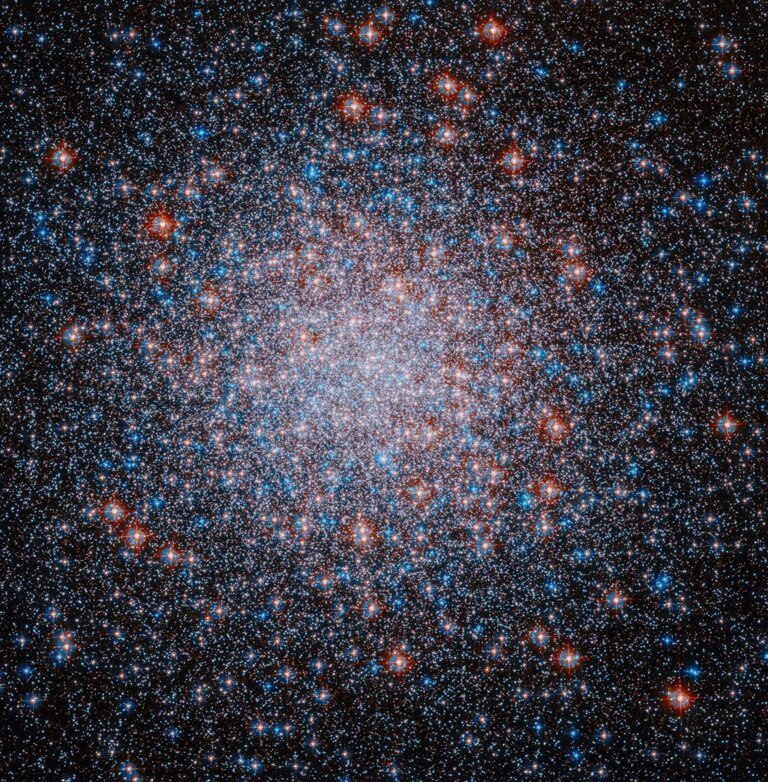
This image from NASA’s Hubble Space Telescope showcases Messier 3 (M3), one of the Milky Way galaxy’s most massive globular clusters, or spherical collections of gravitationally bound stars. Globular clusters are made up of ancient stars that formed at roughly the same time from the same cloud of gas, giving those stars similar ages. Around 150 known globular clusters are…
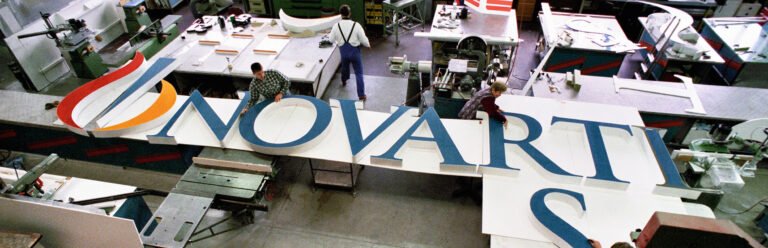
Novartis marks 30 years of breakthroughs, building on 250 years of discovery to reimagine what medicine can do next | Novartis Skip to main content
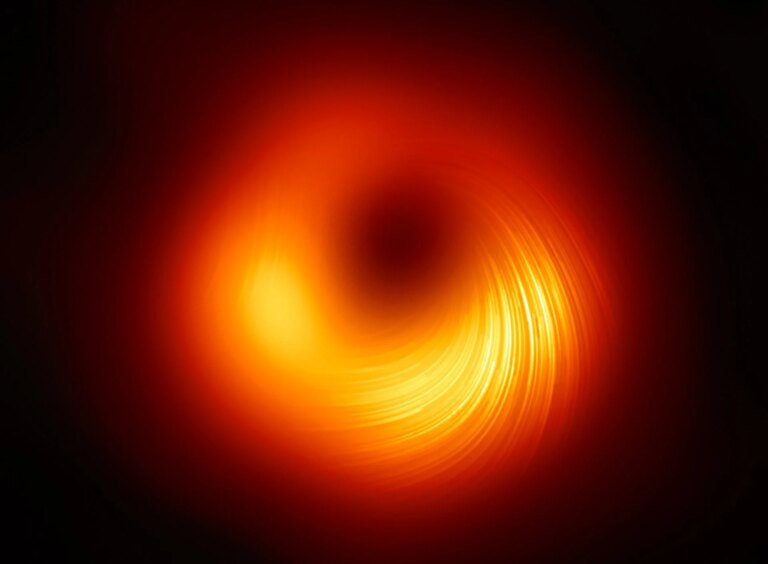
In 2019, scientists with the Event Horizon Telescope (EHT) released the first-ever image of a black hole. After years of gathering data from observatories worldwide, the world got a glimpse of the supermassive black hole (SMBH) at the center of the M87 galaxy, a super-giant elliptical galaxy about 53.5 million light-years from Earth in the…
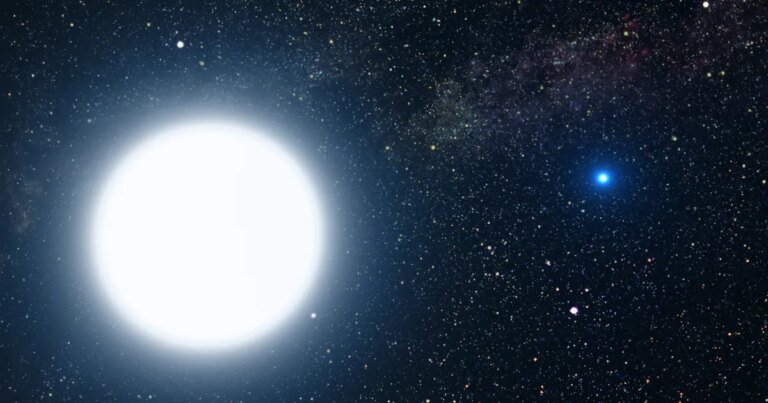
Back to Article List Born at the same time, the star that formed Sirius B started out more massive and evolved more quickly than its companion, Sirius A. The stars of the Sirius binary star system are about the same age, around 250 million years old. But because Sirius B (to the right in this…
University vice-president, research celebrates ‘incredible depth of talent at Laurentian’ Researchers at Laurentian University are being celebrated for their success amidst recent grants announced by the Natural Sciences and Engineering Research Council of Canada (NSERC). Faculty members were awarded $1,447,000 in Discovery Grants, $132,000 in Discovery Development Grants and $50,000 in Discovery Launch Supplements. “This…