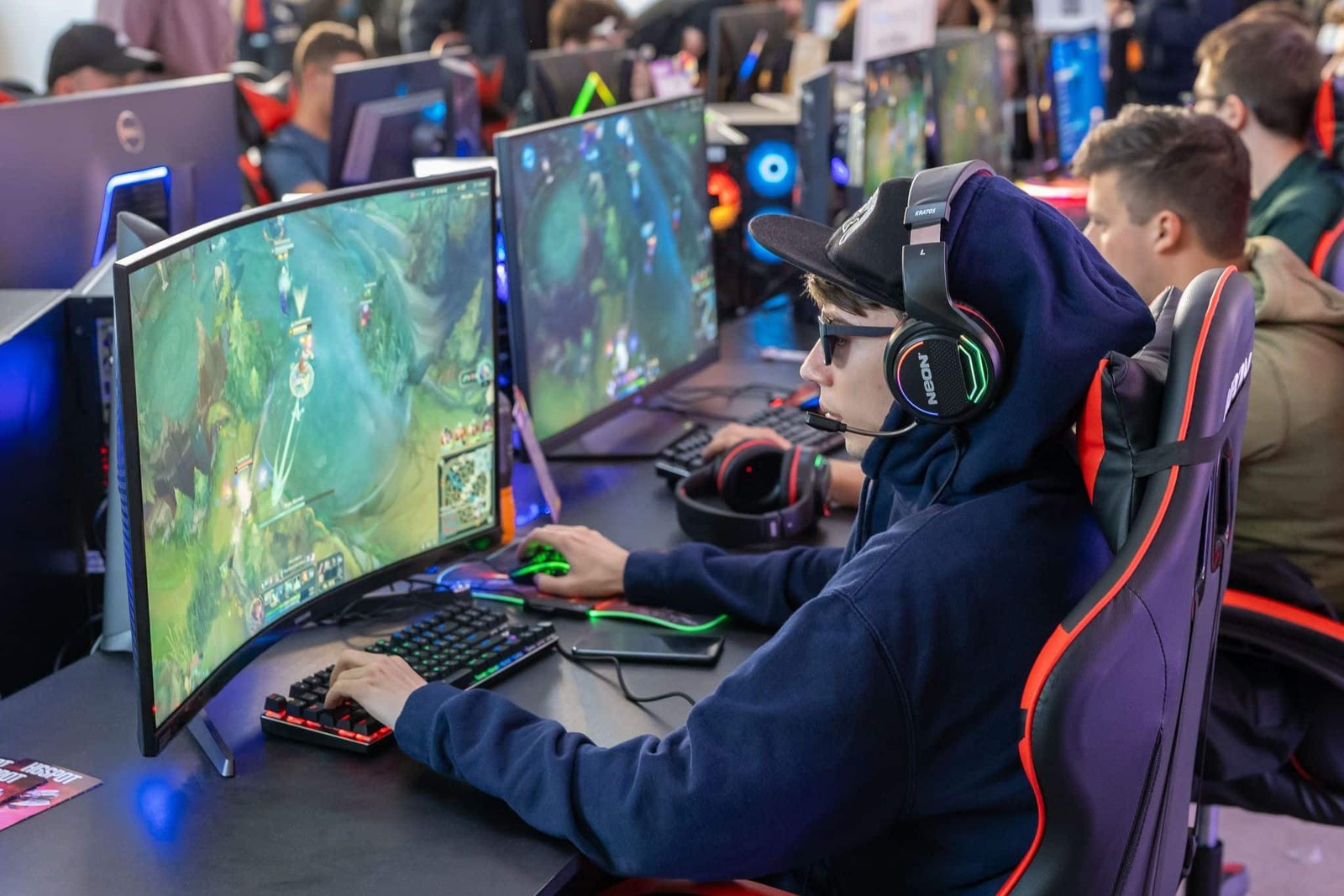
Why Esports Odds Appeal to Younger Betting Audiences
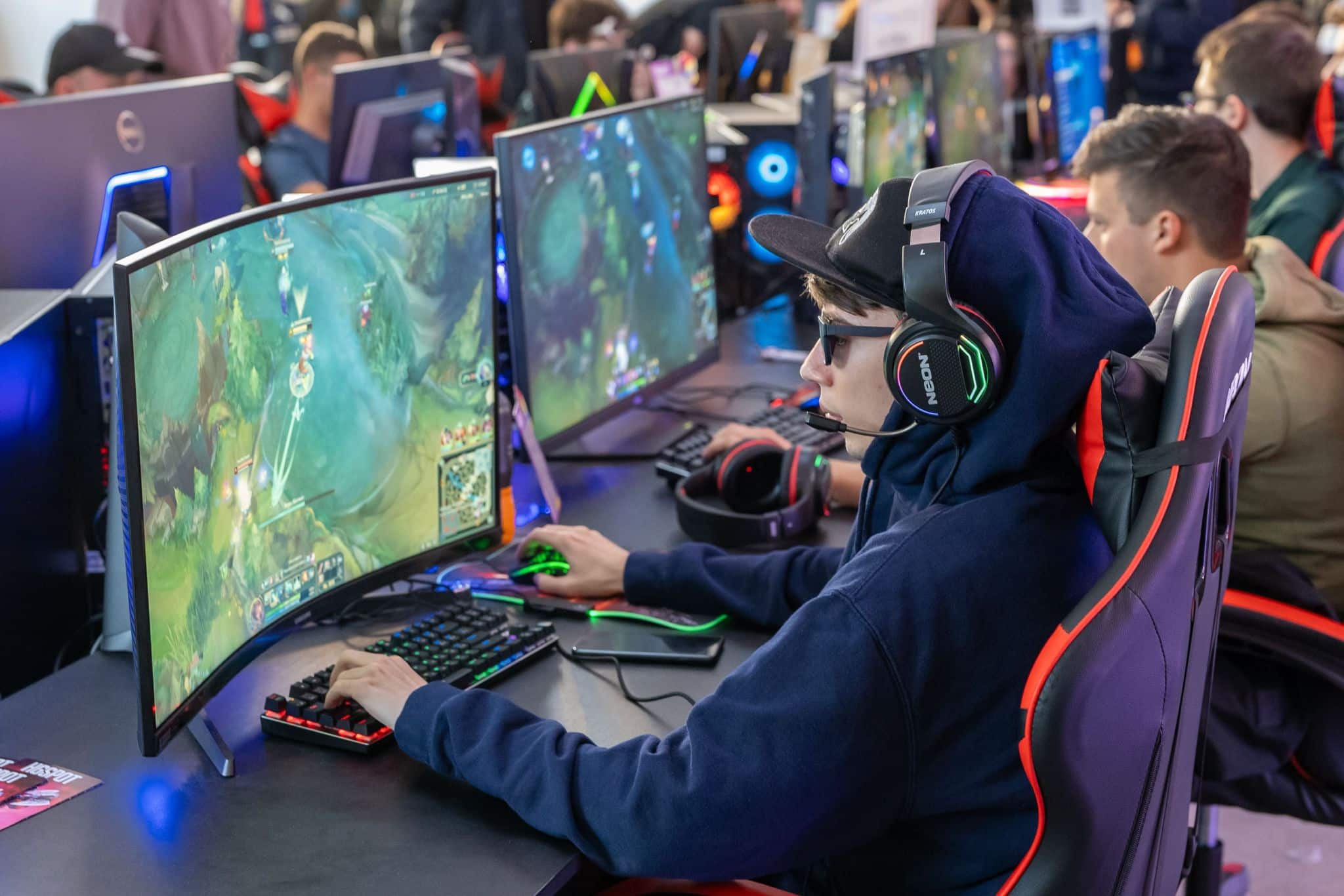 Esports has moved from niche competition to mainstream digital entertainment. Younger audiences follow teams, streamers and tournament formats with the same intensity previous generations brought to traditional sports. As that audience matures, esports odds have become part of a wider conversation about how digital-first fans engage with competitive events.
Esports Fans Understand Data-Rich Competition
Younger audiences are comfortable reading information across multiple screens. They follow live chats, player statistics, patch notes, match histories and social reactions before forming opinions. That makes esports a natural fit for odds-based discussion because the scene already encourages comparison and analysis.
A fan watching a League of Legends, Counter-Strike or Dota 2 tournament may consider:
- Recent team form
- Map or game mode strengths
- Player role changes
- Patch updates
- Head-to-head history
- Tournament format
- Travel and scheduling factors
This creates a more layered viewing experience. Fans are not only asking who will win. They are asking why a team is favored, whether the market has reacted properly and how in-game variables could affect the outcome.
That is why younger bettors often compare esports betting sites in the same way they compare streaming platforms, gaming gear or fantasy tools. They want interfaces that feel fast, data that is easy to read and markets that reflect the games they already understand.
Digital Habits Shape Betting Expectations
Esports audiences grew up with responsive platforms. They expect quick updates, clean mobile design and easy access to information. A slow or cluttered betting interface can feel out of step with how they consume gaming content.
This is different from older betting journeys that relied heavily on scheduled broadcasts and pre-match research. Esports fans often move between live streams, Discord conversations, social feeds and stats pages in real time. They are used to interaction.
For betting platforms, that means the experience needs to support fast comparison without becoming confusing. Useful features include:
- Clear market layouts
Match winner, map winner and special markets should be easy to distinguish. - Mobile-first navigation
Younger audiences often research and place bets from phones. - Live information
Odds movement should be presented in a way that is readable during active events. - Game-specific categories
Esports is not one single product. Each title has its own structure and terminology. - Simple account controls
Deposit limits, history and responsible play tools should be visible and easy to manage.
These details matter because user experience influences trust. If a platform understands the games but presents them poorly, younger audiences will notice quickly.
Esports Odds Reward Game Knowledge
One reason esports odds appeal to gaming fans is that they can connect directly to game knowledge. A traditional sports fan may understand injuries, coaching styles and venue effects. Esports fans look at meta shifts, hero pools, map preferences, roster synergy and mechanical skill.
This makes odds feel like part of the wider analytical culture around gaming. Fans already debate whether a team is overrated after one strong tournament or whether a patch favors a specific strategy. Betting markets give those debates another structure.
Common esports betting considerations include:
- Whether a team performs better online or on stage
- How recent roster changes affect coordination
- Whether a patch changes character or weapon strength
- Which maps favor each side
- Whether a best-of-one format increases variance
- How teams perform under elimination pressure
This type of analysis gives knowledgeable fans a reason to engage more deeply with events. It also makes education important. New users need clear explanations of market types and risks before participating.
Community Discussion Drives Interest
Esports has always been community-led. Fans learn through forums, streams, podcasts, social media and creator analysis. That community layer makes odds discussion feel more social than isolated.
A younger bettor may listen to a podcast preview, check a streamer’s opinion, read a Reddit thread and then compare lines before an event. The process is collaborative, even when the final decision is personal.
For content creators and betting publishers, this creates opportunities for more useful coverage. Instead of focusing only on picks, strong esports content can explain the reasoning behind a market. It can break down team form, compare maps and help readers understand why odds may move.
Good esports betting analysis should avoid hype and focus on context. It should explain uncertainty clearly because esports results can shift quickly. A strong favorite can lose after one poor draft, one technical issue or one unexpected strategy.
Responsible Betting Fits the Esports Audience
Younger audiences value control features in digital products. They are used to dashboards, settings, notifications and spending tools. Betting platforms should apply the same thinking to responsible gambling features.
Responsible esports betting design should make it easy to:
- Set deposit limits before betting
- Review bet history
- Understand odds and market rules
- Avoid chasing losses
- Take breaks during long tournament days
- Separate entertainment spending from essential money
This is especially important during major esports events, where matches can run for many hours and multiple markets may be available at once. Clear tools and reminders help users keep betting within personal limits.
Content also has a role to play. Betting analysis should never make outcomes sound guaranteed. Esports is competitive, fast-changing and often unpredictable. Responsible coverage respects that uncertainty.
Esports Betting Reflects a Digital Entertainment Shift
The appeal of esports odds comes from more than youth culture. It reflects how digital audiences now engage with entertainment. They want information, interaction, community and mobile access. Esports delivers all of that naturally.
For younger betting audiences, odds can add another layer to matches they already follow closely. The platforms that succeed will be those that understand esports as its own category, not just a side market. Clear design, strong game knowledge, responsible tools and useful analysis will matter as much as the odds themselves.