Neostellar’s Willy Lee: waiting for the IPO isn’t the deal it used to be
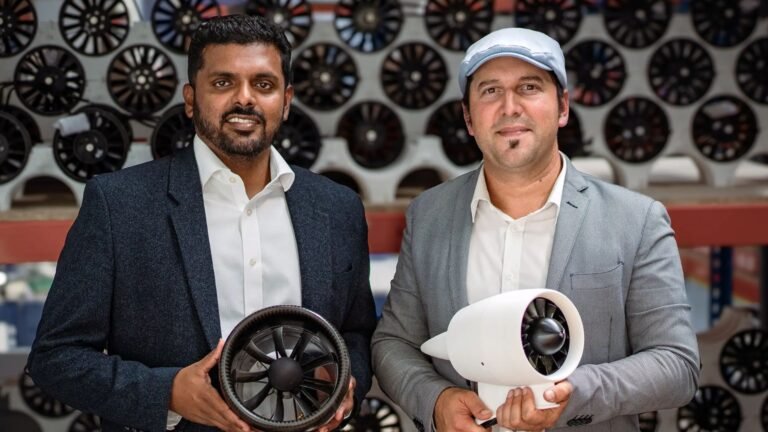
Investing.com — Retail investors have previously been locked out of the most significant wealth creation happening in private markets, but that dynamic is beginning to shift as public vehicles offering exposure to late-stage private companies gain traction, according to Willy Lee, a principal at Neostellar (NASDAQ: NSLR).
Lee, speaking to Investing.com this week, said that companies are now building enormous businesses and creating significant value long before they reach the public markets, with venture historically structured as a restrictive asset class carrying high minimums, long lock-ups and selective funds that often don’t accept new investors.
As a result, ordinary public investors were “increasingly forced to sit on the sidelines through much of their growth,” stated Lee.
SpaceX is the extreme example, he said. Public-market investors had to wait more than 20 years before shares became available on the Nasdaq, by which point the company had already reached a valuation of $1.77 trillion.
“With Anthropic, OpenAI and others following a similar path, many investors may not get their first opportunity to participate until these companies are already the size of major S&P 100 businesses,” Lee added.
“That does not mean there is no meaningful upside left after an initial public offering, but it is a very different opportunity from being able to invest in Google in 2004 at $23 billion.”
Citing a Q3 2025 PitchBook report, Lee noted that the average technology company going public generated $831 million in revenue, four had already surpassed $1 billion in revenue, and 25% were profitable, more than twice the share seen in 2021.
Meanwhile, the median revenue multiple has fallen from 17x in 2021 to just 4x, meaning companies are being asked to stay private longer, build much larger businesses and prove more before public investors get access.
On the current wave of demand for private AI companies, Lee acknowledged that some valuations may appear expensive relative to commercial traction, particularly among next-generation AI labs where investors are underwriting technological progress rather than established revenue.
Still, he said, real growth is already happening in private markets, with leading AI-native companies achieving high growth rates from significantly larger revenue bases than the enterprise software unicorns of 2021.
Lee believes retail access to private markets is likely to keep growing, with more publicly traded vehicles pursuing a wider range of strategies.