Actually, Starliner might fly into space this year
 |
submitted by /u/arstechnica [comments] |
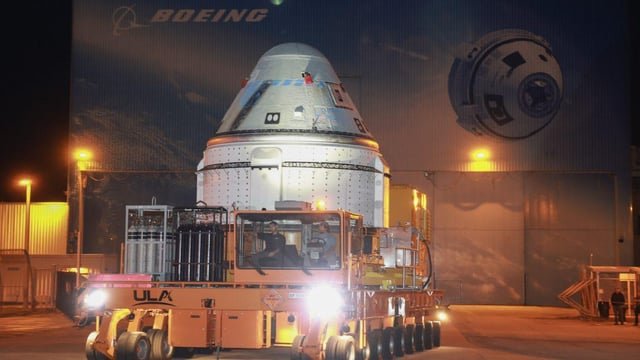
| |
submitted by /u/arstechnica [comments] |

Sign up to see the future, today Can’t-miss innovations from the bleeding edge of science and tech AI is upending the way voters take part in the democratic process. The worst part? You might not even know you’ve been affected. In the county of St. Charles, Missouri, a race for county executive has devolved into…

ACT leader David Seymour wants New Zealand to become a global testing ground for emerging technologies by allowing companies to temporarily bypass regulations through a permanent regulatory exemption scheme. Speaking in Christchurch on Thursday, Seymour said “Innovation Trials” — time-limited schemes where specific rules are suspended in a set region — should become a standing…
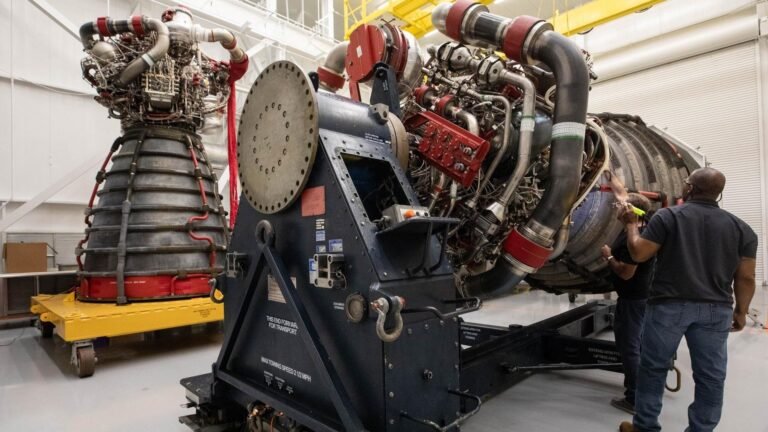
NASA is picking up the pace on its Artemis III mission preparations, pressing forward on multiple fronts to assemble launch vehicle hardware and beginning routine simulations inside Artemis mission control. The agency is “full steam ahead,” according to a July 13 NASA update. Across Kennedy Space Center (KSC) in Florida, components of Artemis III’s Space…

submitted by /u/theintercept [comments]
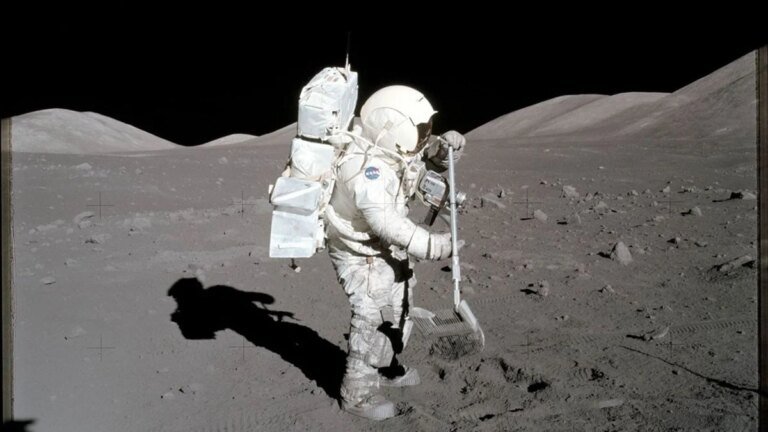
When Apollo 11 touched down on the lunar surface on 20 July 1969, it marked a turning point in humanity’s relationship with the Moon. We all know the monuments – the American flag. The crisply delineated bootprints. The bags of human waste left behind in the gunmetal-gray dust. What we tend to forget are the…
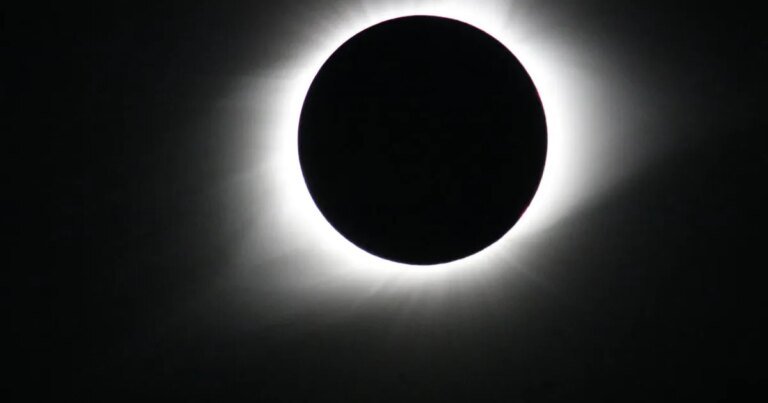
Back to Article List Today in the history of astronomy, an eclipse isn’t the only stunning thing in the sky. Many of the earliest-known human records of eclipses come from ancient China. Credit: NASA/Gopalswamy July 19, 418 C.E., marks the first total solar eclipse (of which we have a record) during which a comet was…