OpenAI Unveiled Hardware Roadmap: First Launch Smart Speakers, Followed by Smartphones – Latest Official Update
One year after spending 6.5 billion US dollars to acquire io, the company founded by Jony Ive, OpenAI’s hardware roadmap has finally become somewhat concrete.
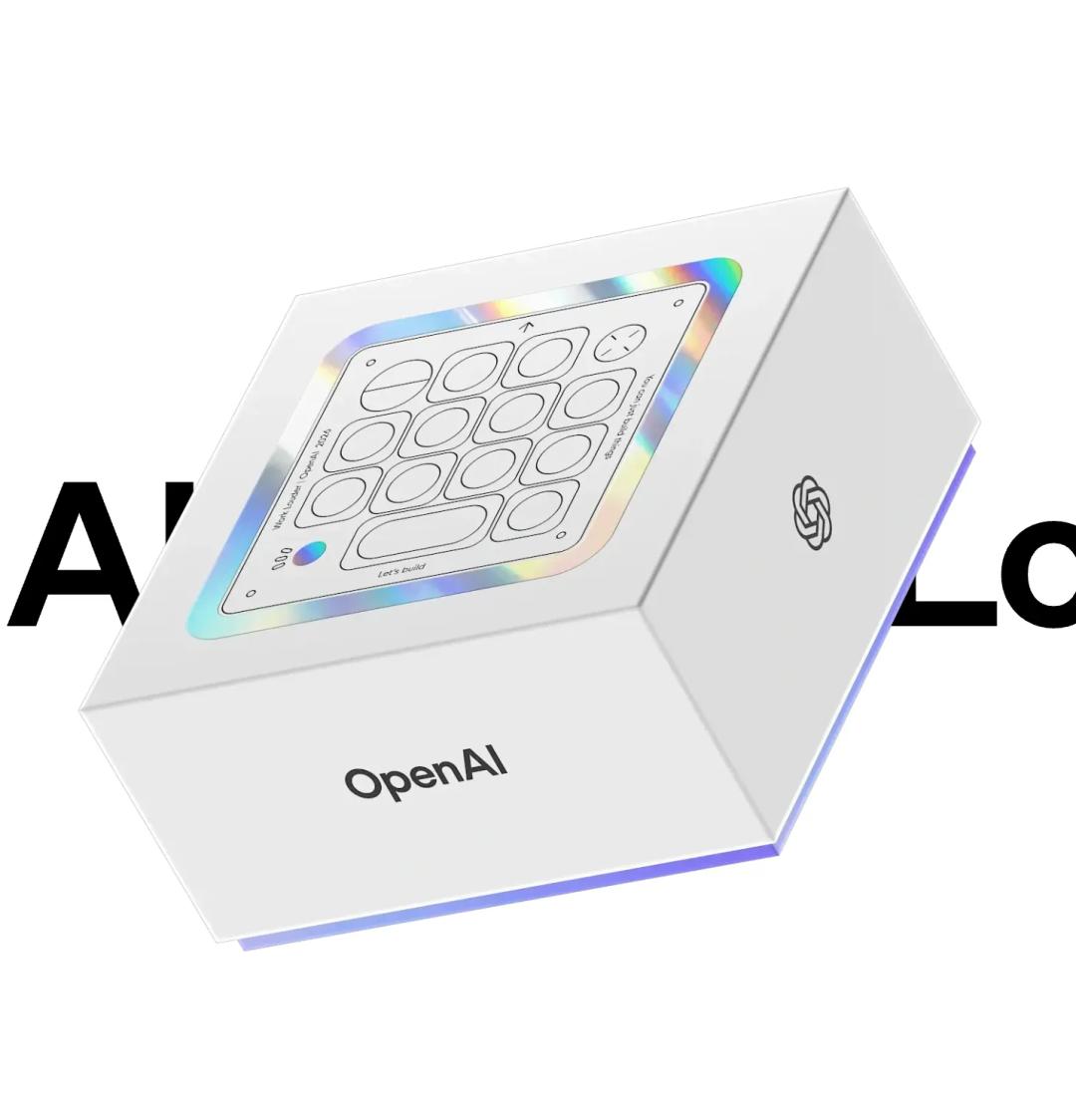
Excluding the previous co-branded keyboard, according to currently leaked information, OpenAI’s first hardware product is not a smartphone, smart glasses or other similar device, but a screen-free smart speaker that can be moved around the home.
Notably, it has a built-in battery, a camera and a mechanical structure that enables autonomous movement. It can observe the surrounding environment, and its movements will make users feel that it is “alive”. The product is expected to be launched as early as early 2027, with a price ranging from 200 to 300 US dollars.
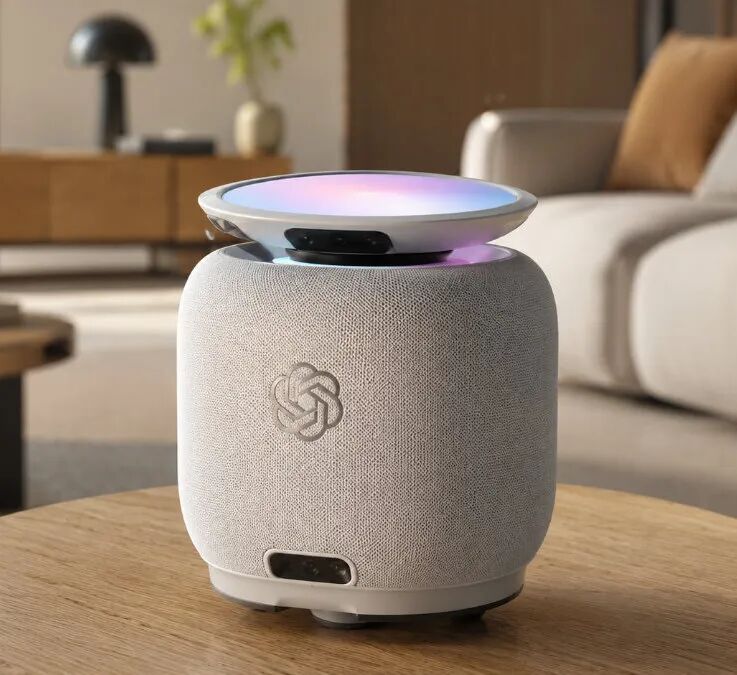
This sounds a bit like putting ChatGPT into a small robot. It will use the new GPT-Live to have natural conversations with people, control smart home devices, play content, and reply to messages. It will also gradually learn about users as it is used, becoming more proactive and more personalized.
OpenAI does not regard HomePod as its direct competitor, and obviously does not want to turn its product into another traditional smart speaker that only “checks the weather and plays music”.
This development path is actually very easy to understand. Screen-free devices can bypass the apps and graphical interfaces of smartphones, allowing AI to directly participate in daily life through voice, vision and environmental perception. Compared with outdoor scenarios, home scenarios are easier to control power consumption, network connection and privacy prompts, making them the most reliable place to verify the concept of “AI companion”.
What is more surprising is that OpenAI is also developing its own smartphone. This so-called “AI Agent smartphone” is expected to enter mass production as early as the first half of 2027.

Rumors say it will adopt a customized version of MediaTek Dimensity 9600, with enhanced camera HDR and visual perception capabilities, and be equipped with two AI processors to handle visual and language tasks at the same time. Its core highlight is that the phone will try to use an Agent that continuously understands context to replace the current operation mode of opening apps one by one.
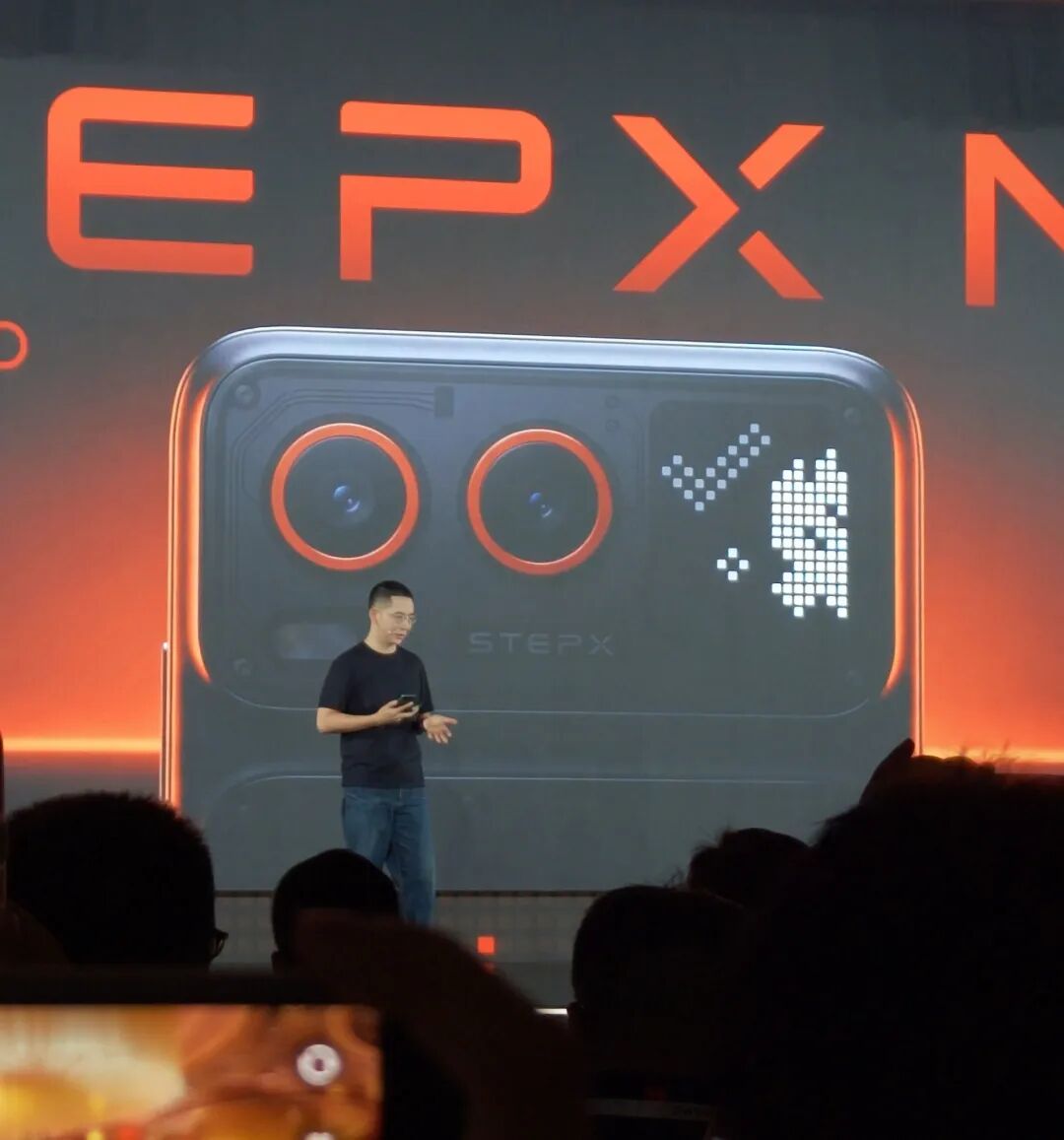
In fact, the StepVerse STEPX Neo agent smartphone unveiled some time ago follows a similar concept.
Further down the line, OpenAI’s product roadmap also includes smart glasses, smart desk lamps and headphones, but these products are much further from market launch, and may even be canceled during the development process.
What OpenAI aims to build is obviously not a single hit hardware product, but a set of AI access points distributed in the home, in the pocket and on the human body. The speaker covers the home environment, the smartphone grasps location, communication and daily behavior data, and the glasses and headphones further access to what people see and hear.
This is exactly why OpenAI has to develop hardware products.
No matter how powerful the model is, as long as the access points are still controlled by Apple, Google and other smartphone manufacturers, ChatGPT will always be nothing more than an application in the system. When cooperating with Jony Ive, OpenAI stated bluntly that current AI can see, think and understand, but the way people interact with it is still restricted by traditional products.
However, there have been many failed cases of screen-free AI hardware. Long-term monitoring, always-on cameras and cloud processing will also bring very real privacy pressure.
What OpenAI really needs to prove is what these hardware devices can do for users every day, and whether such convenience is enough to make users accept an AI that is always around to observe and listen.
This article is from the WeChat official account “Lei Technology AGI”, written by Sanqiershiyi, and published by 36Kr with authorization.