A $5M startup claims rare earth-free electric motor breakthrough
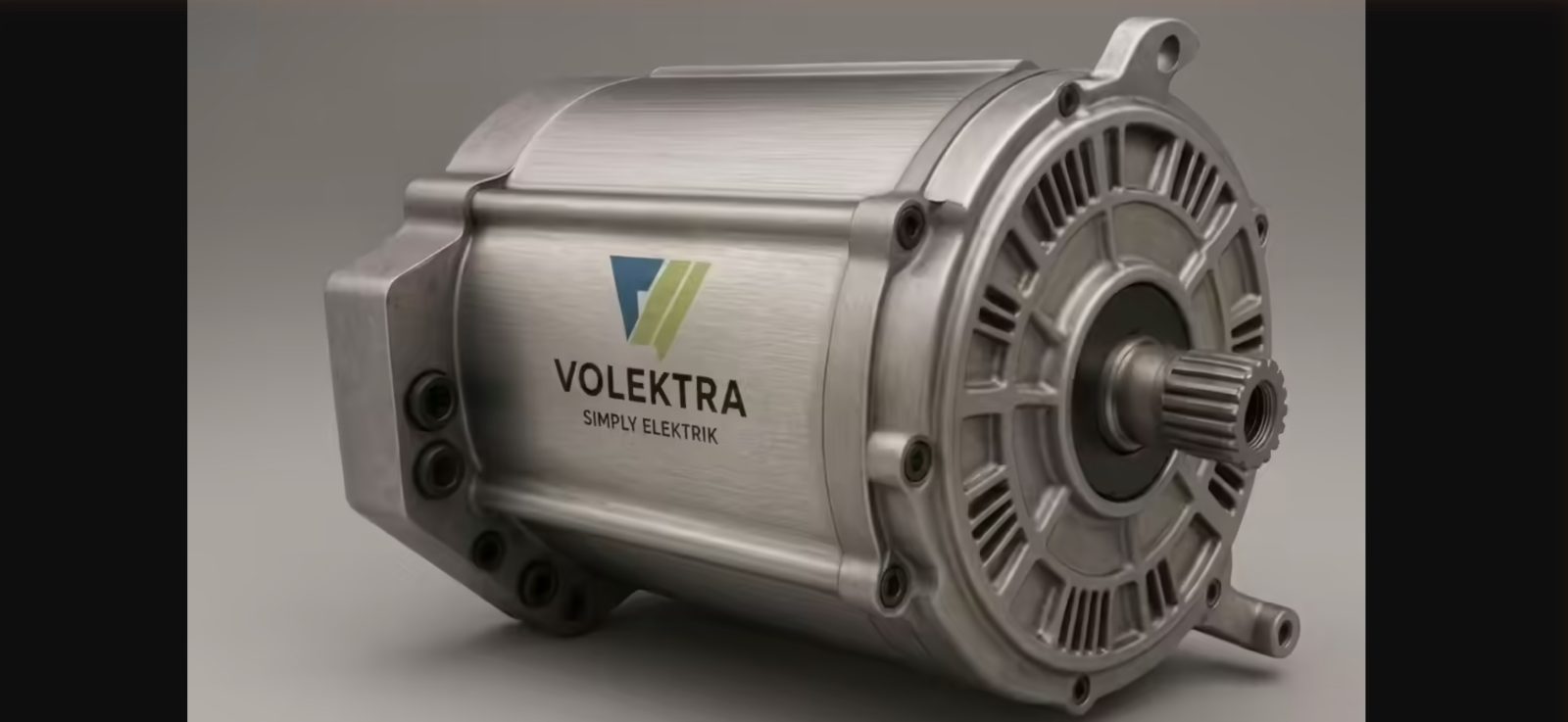
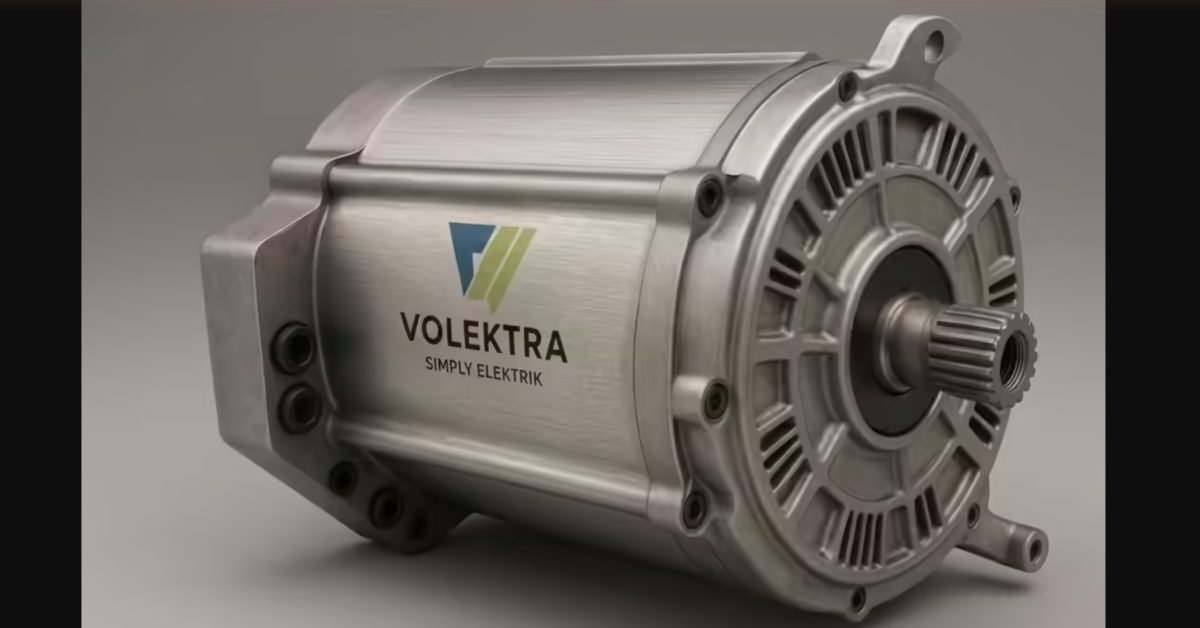
A Bengaluru startup called Vimag Labs just secured its fifth Indian patent for an electric motor that runs without any rare-earth magnets, using software and power electronics to generate its magnetic field instead.
It’s a small, $5-million company taking a swing at a problem that has stumped Tesla, GM, and every major automaker for years: how to build a competitive EV motor that doesn’t depend on China.
What Vimag actually patented
Almost every EV on the road uses a Permanent Magnet Synchronous Motor (PMSM), which relies on fixed rare-earth magnets embedded in the rotor to produce torque. Vimag’s Virtual Magnet Synchronous Motor (VMSM) does away with those magnets entirely.
Instead, it generates and controls the rotor’s magnetic field in real time using power electronics and proprietary control algorithms, while keeping a brushless, slip-ring-free design. The patent, titled “A Robust Rotating Transformer Excited Synchronous Motor and Its Control,” covers the core architecture.
The company says the platform matches or exceeds permanent-magnet performance without the magnets. That’s the claim — it has not been independently verified at production scale.
“This patent is the outcome of over 87,600 engineering hours,” said Manish Seth, co-founder and CEO of Vimag Labs, who started the company in September 2025. The patent brings Vimag to five granted patents, with another ten patents and fifteen trademarks in the pipeline.
Vimag says it’s running pilots with two-wheeler and passenger-vehicle manufacturers, and it recently raised a $5 million Series A led by Accel, with Chakra Growth Fund and Thinkuvate participating. It has also signed a manufacturing MoU with Jendamark to support scale-up, and it’s targeting industrial systems from 200 kW to 600 kW, plus robotics, defense, and cooling applications.
Why the rare-earth problem is worth solving
The supply-chain math explains why a motor like this matters. According to the International Energy Agency, China accounted for roughly 91% of global rare-earth refining and separation and 94% of sintered permanent-magnet production in 2024 — the exact magnets used in EV motors. China holds only about a third of global reserves, so its leverage comes from processing, not from the ground.
Beijing has been using that leverage. In April 2025, China imposed export controls on seven heavy rare-earth elements and related magnets, and the restrictions forced US and European automakers to trim production while licenses were sorted out. In October 2025, China went further with a “0.1%” de minimis rule targeting any foreign-made product containing Chinese rare-earth content.
There’s an important caveat the viral version of this story leaves out: China suspended that October expansion on November 7, 2025, for one year as part of a broader trade truce. The controls are paused, not gone — which is precisely why automakers aren’t slowing down their search for alternatives.
Everyone is chasing this — and no one has crossed the line
Vimag is not alone, and framing it as a lone genius would be a disservice to readers. It’s one bet among many, and the incumbents have deeper pockets.
Tesla said at its 2023 Investor Day that its next-generation motor would use no rare-earth elements, as we reported at the time, but it still hasn’t confirmed a production date. GM and Stellantis are backing Niron Magnetics, the Minnesota startup building iron-nitride “Clean Earth” magnets, in a bet we covered when the automakers first invested. Valeo’s magnet-free “iBEE” motor isn’t slated for commercialization until 2028. Honda has funded switched-reluctance-motor developer Enedym. And Jaguar Land Rover has invested in rare-earth magnet recycling as a hedge.
The common thread: everyone is spending, and no one has a rare-earth-free drive unit in mass production yet. That’s the opening Vimag is trying to walk through.
Electrek’s Take
The technology direction here is legitimate, and the patent and funding are real. Eliminating the rotor magnet using an externally excited, software-defined field is a genuinely different approach from the iron-nitride and ferrite paths most Western players are pursuing. If it works at scale, it sidesteps the rare-earth supply chain instead of trying to rebuild it, but that’s a big if.
The honest read is that this is a pilot-stage company with a lab-and-fleet motor, not a production one. Motors that shine in a pilot don’t always survive cost, durability, and efficiency testing at volume.
We’d take the “matches or exceeds permanent-magnet performance” claim with caution until there’s independent bench data. Efficiency, not just peak power, is where magnet-free designs usually give ground, and that directly hits EV range. What’s notable is that the rare-earth squeeze has made this whole category worth watching.
If you’re weighing the rising cost of powering an EV, home solar is one of the smartest ways to lock in low charging costs for the long haul. With electricity rates climbing nearly 10% last year, home solar protects you against future rate increases. And with lease and PPA options, you can go solar with zero upfront cost and start saving immediately. If you want to find the best deal, check out EnergySage. It’s a free service with hundreds of pre-vetted installers competing for your business, so you save 20 to 30% compared to going it alone. No sales calls until you pick an installer. Get your free quotes here.


FTC: We use income earning auto affiliate links. More.