Finding order in the inner chaos of our cells: « New technique wrangles evasive proteins to dissect the cause of diseases and design potential new therapeutics. »
 |
submitted by /u/fchung [comments] |

| |
submitted by /u/fchung [comments] |
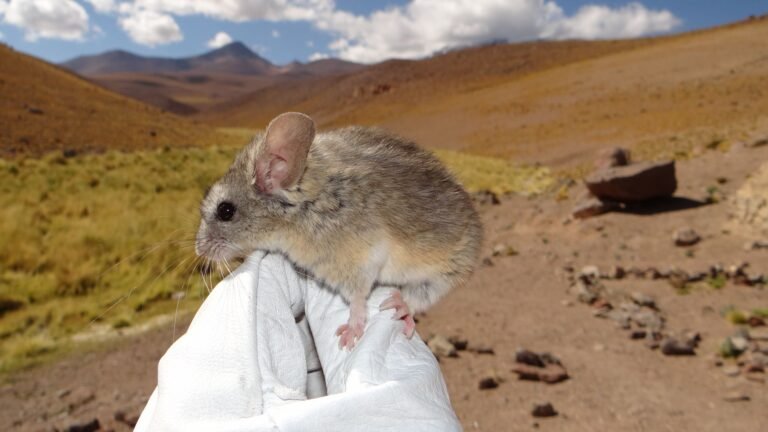
Scientists have discovered how mice survive at extreme altitudes on the tips of icy dormant volcanoes in the Andes. The area where the mice call home extends more than 1 mile (1.6 kilometers) above the world’s highest human settlement. The air is thin, temperatures are blisteringly cold, and a desert ecosystem ensures water and vegetation…

Sign up to see the future, today Can’t-miss innovations from the bleeding edge of science and tech After years of being engaged, it looks like SpaceX and the Pentagon are finally ready to send out save-the-dates. On Friday, the Wall Street Journal reported that Elon Musk’s formerly-just-rockets company is now in talks with the Department…

When temperatures rise, sleep often suffers. Hot nights can make it harder to fall asleep, increase waking during the night and leave people feeling less rested the next day. One reason is thermoregulation, the body’s ability to keep its internal temperature within a safe range. Sleep is closely linked to body temperature: to fall asleep…


K’gari, the world’s largest sand island, is celebrated for its striking freshwater lakes. New research from the University of Adelaide, however, suggests that even the island’s largest and deepest lakes may be vulnerable to disappearing under certain climate conditions. By examining ancient layers of lake sediment, researchers uncovered evidence that several lakes dried out roughly…

Aside from the occasional Doctor Strange film or a one-off Disney+ outing like Werewolf by Night or Agatha All Along, the MCU hasn’t fully engaged with the supernatural side of the Marvel Universe. The franchise can’t seem to get Blade off the ground, the Thor movies strongly imply that the Asgardians are a technologically advanced…