CaptiveCrunch: Midnight Blizzard (Russia) targets travelers worldwide for malware delivery and credential theft | Microsoft Threat Intelligence
 |
submitted by /u/thejournalizer [comments] |

| |
submitted by /u/thejournalizer [comments] |
SecurityWeek’s weekly cybersecurity news roundup offers a concise overview of important developments that may not receive full standalone coverage yet remain relevant to the broader threat landscape. This curated summary highlights key stories across vulnerability disclosures, emerging attack methods, policy updates, industry reports, and other noteworthy events to help readers maintain a well-rounded awareness of…

Cyber-crime History suggests this was not wise Would you trust a ransomware extortionist to delete the data they stole? One bank certainly wants you to. Well over a month into a ransomware cleanup job, River Financial Corporation tells regulators that it “took steps to attempt to suppress the affected data, including obtaining representations from the…

COMMENTARY: A few months ago, I asked a security leader at a large organization a simple question: do you know where your most sensitive data actually lives today? The honest answer was no. There were policies in place dictating where the data was supposed to live. However, nobody could point to the real, current location.This…
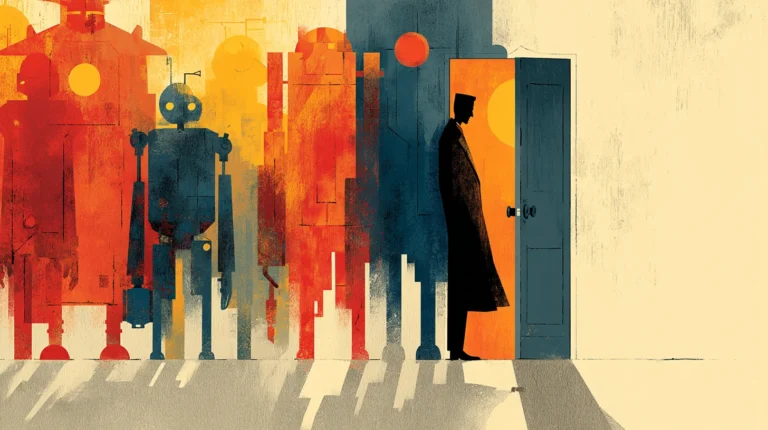
Most large companies run more than one AI platform at the same time. Developers pull up coding assistants, marketing teams lean on writing tools, and analysts query enterprise search across separate vendors. Single-provider setups keep giving way to mixed stacks as companies keep their options open. Sanctioned tools and personal accounts sit side by side…
A TrickBot variant has been observed swapping the HTTP command-and-control (C2) channel the malware has used for the better part of a decade for a bespoke DNS tunneling scheme that hides beacons and payloads inside malformed DNS queries. According to new research from Fortinet’s FortiGuard Labs published on July 22, the samples reveal a modular…
An employee opens an email that looks like any other, clicks a link, and gives up a password without noticing. A stolen login opens a door deeper in the network. Files stop opening a few days later. That chain now sits at the front of most ransomware cases. Malicious email and phishing together account for…