Global Smartphone Shipments Fall 11% in Q2 2026, Samsung Regains No. 1 Spot
Global smartphone shipments fell 11% year-on-year in the second quarter of 2026, the weakest April-to-June performance in more than a decade.
With high memory chip prices pushing handset costs higher, resulting in slowed consumer demand, data from Counterpoint Research shows the market recorded its lowest second-quarter shipment volume since 2013.
The research firm linked the decline to a prolonged shortage of memory chips, which has forced smartphone makers to raise prices, particularly on entry-level and mid-range devices.
Despite the slowdown, Samsung returned to the top of the global smartphone market with a 24% share.
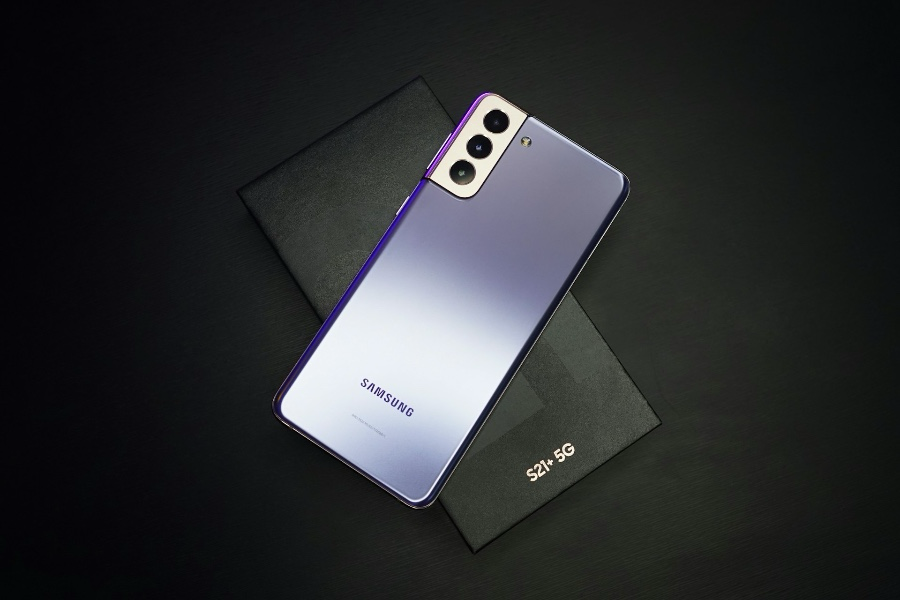
The company strengthened its position through strong demand for its Galaxy S26 series, improved product availability and relatively stable pricing in key markets, including India and the Middle East.
Apple, however, was one of the few manufacturers to post growth during the quarter. The company increased shipments by 3%, lifting its global market share to a record 20% as demand for its premium iPhone models remained steady.
Although Apple kept prices unchanged during the quarter, analysts believe that may not last for long. They expect higher component costs to eventually feed into retail prices in the coming months.
The stress on smartphone makers comes from the memory chip market, where suppliers prioritise customers building artificial intelligence data centres over consumer electronics manufacturers.
That has reduced the supply of memory components available for smartphones and pushed up the prices of DRAM and NAND chips.
Manufacturers have responded by passing much of those higher costs to consumers. Budget and mid-range smartphones have felt the greatest impact, making buyers more reluctant to replace their devices.
Chinese smartphone brands were among the hardest hit. Xiaomi, Oppo and Vivo recorded the sharpest shipment declines within the world’s top five smartphone vendors, showing their heavier dependence on lower-priced devices, where demand has weakened the most.
Counterpoint expects the difficult conditions to continue, as the company maintained its forecast that global smartphone shipments will decline by about 14% in 2026 and said the memory chip shortage is likely to continue into 2027.
The new data noted that while demand for premium smartphones remains relatively resilient, the market is still affected by higher costs of production and weaker consumer spending, especially in price-sensitive segments.