Delray Beach, FL, July 14, 2026 (GLOBE NEWSWIRE) — MarketsandMarkets™ projects the global surgical robots market will grow from USD 13.69 billion in 2025 to USD 27.14 billion by 2030, at a CAGR of 14.7% during the forecast period. Market growth is driven by the increasing demand for minimally invasive surgeries, rising surgical volumes associated with chronic diseases and an aging population, and continued advances in robotic platforms, 3D visualization, AI-assisted navigation, and surgical instrumentation. Hospitals are increasingly adopting surgical robots to improve procedural precision, repeatability, and efficiency while supporting faster patient recovery, reduced pain, and fewer complications.
Largest offering segment: Instruments & accessories
Largest application segment: General surgery
Largest end-user segment: Hospitals & clinics
Fastest-growing regional market: Asia Pacific
Fastest growth opportunity: Increasing penetration of surgical robots in ambulatory surgical centers (ASCs)
Key players: Intuitive Surgical (US), Stryker Corporation (US), Medtronic plc (Ireland), Smith+Nephew plc (UK), Zimmer Biomet Holdings, Inc. (US), Asensus Surgical, Inc. (US), Siemens Healthineers AG (Germany), and Renishaw plc (UK)
Why This Market Matters
Surgical robotics is becoming increasingly important as healthcare providers seek to improve outcomes in complex and minimally invasive procedures. Robotic platforms offer surgeons enhanced precision, tremor filtration, improved dexterity, and high-definition 3D visualization, enabling more controlled surgical movements in complex anatomical areas. These capabilities support smaller incisions, reduced blood loss, lower postoperative pain, fewer complications, and shorter hospital stays. As hospitals prioritize outcome-driven care and procedural consistency, robotic-assisted surgery is gaining adoption across general surgery, orthopedics, urology, gynecology, and other specialties.
Market Overview
The surgical robots market is expanding as manufacturers introduce more advanced, ergonomic, compact, and technologically integrated robotic systems. Improved imaging, AI-assisted navigation, digital surgery capabilities, and specialized instruments are broadening the use of robotic platforms across surgical specialties. Manufacturers are also expanding their reach through partnerships, acquisitions, surgeon training programs, and tailored offerings for emerging markets. These initiatives are helping healthcare providers integrate robotic systems into operating-room workflows and build the expertise required for broader clinical adoption.
Analyst Perspective
The surgical robots industry is evolving from standalone robotic platforms toward connected surgical ecosystems that integrate robotics, navigation, imaging, analytics, instruments, and training. The strongest opportunities will be for companies that can combine clinical precision with scalable operating-room workflows, recurring instruments-and-accessories revenue, and accessible solutions for hospitals and ambulatory surgical centers. As robotic surgery expands into more specialties and outpatient settings, affordability, surgeon education, and interoperability will become increasingly important competitive differentiators.
By offering, instruments & accessories hold the dominant position in the surgical robots market. These components are required for every robotic procedure and must be replaced regularly, creating a recurring revenue stream for manufacturers. Procedure-specific accessories, including staplers, energy devices, trocars, suturing tools, end-effectors, saws, burrs, and single-use consumables, are directly linked to surgical volumes and remain essential as hospitals expand robotic surgery programs.
By application, general surgery accounts for the largest market share due to the high volume of procedures suitable for robotic assistance, including hernia repair, cholecystectomy, bariatric surgery, colorectal surgery, and foregut procedures. Robotic platforms improve visualization, precision, and dexterity, helping hospitals maximize system utilization and strengthen return on investment.
By end user, hospitals & clinics dominate the market because they have the infrastructure, trained surgical teams, financial resources, and broad specialty coverage needed to deploy full-scale robotic systems. These facilities use robotic platforms across general surgery, urology, gynecology, orthopedics, and cardiothoracic surgery to improve precision, reduce complications, and enhance patient outcomes.
Regional Analysis
Asia Pacific is expected to be the fastest-growing region in the global surgical robots market during the forecast period. Rapid healthcare modernization, rising investment in advanced surgical infrastructure, growing demand for minimally invasive procedures, and expanding surgeon training programs are supporting adoption across China, Japan, South Korea, India, and Australia. Growing medical tourism and the entry of local manufacturers offering cost-effective robotic platforms are also improving access to robotic surgery across the region.
Key Industry Trends
Increasing demand for minimally invasive robotic-assisted procedures
Growing adoption of AI-assisted navigation and advanced 3D visualization
Expansion of robotic surgery into ambulatory surgical centers
Rising use of compact, modular, and specialty-specific robotic platforms
Increased focus on surgeon training and clinical education programs
Strategic partnerships, acquisitions, and global commercialization initiatives
Integration of robotics with navigation, imaging, analytics, and digital surgery technologies
Competitive Landscape
The surgical robots market is led by Intuitive Surgical, which maintains a strong position through its da Vinci robotic system, extensive installed base, clinical adoption, and comprehensive ecosystem of instruments, accessories, services, and surgeon training. Stryker is another major participant, driven by its Mako SmartRobotics platform for orthopedic procedures, including knee and hip arthroplasty. Medtronic continues to expand its position through the Hugo robotic-assisted surgery system, while Smith+Nephew is strengthening its orthopedic robotics portfolio through the CORI surgical system. Zimmer Biomet remains a key competitor through its ROSA robotic platform and expanding integration of data-driven surgical technologies.
SUMMARY The funding round was led by Version One Ventures, with participation from All In Capital, Unisol and iSeed The funds will fuel Mowito’s expansion into the US, strengthen its engineering and go-to-market teams, scale deployments across automotive and electronics manufacturers Founded in 2024 by Rastogi and Adityanag Nagesh, Mowito is building AI models that…
Warehouse robotics vendor Symbotic has acquired ARMS Innovations Ltd., a UK-based software company specializing in real-time operational intelligence solutions for complex automated warehouse environments. Terms of the deal were not disclosed, but the firms said that ARMS’s software introduces a layer of AI-driven warehouse operations orchestration that coordinates people, robotics, and workflows. The solution dynamically…
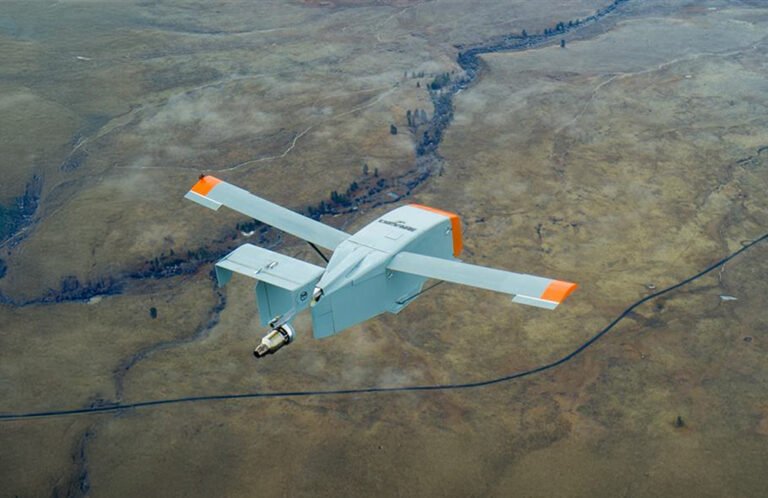
Grasshopper delivers autonomous aerial resupply in contested environments. | Source: DZYNE Technologies Ondas Inc. last week acquired DZYNE Technologies LLC, an Irvine, Calif.-based defense technology company. The acquisition is valued at $875.8 million and was financed through a cash-and-stock structure. Ondas said the acquisition will give it complementary capabilities across multi-domain intelligence, surveillance, and reconnaissance…
In Episode 252 of The Robot Report Podcast, we connect with Andy Lonsberry, co-founder and CEO of Path Robotics. He discusses the difficulties in setting up and using robots for welding applications. Path Robotics has applied AI to identify the path of a torch and then move the robot through the welding operation, using real-time…