Humanoid robots complete first-ever live surgical procedure under surgeons’ control, researchers say clinical challenges remain
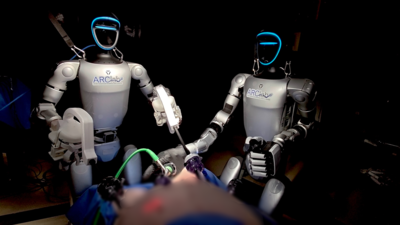
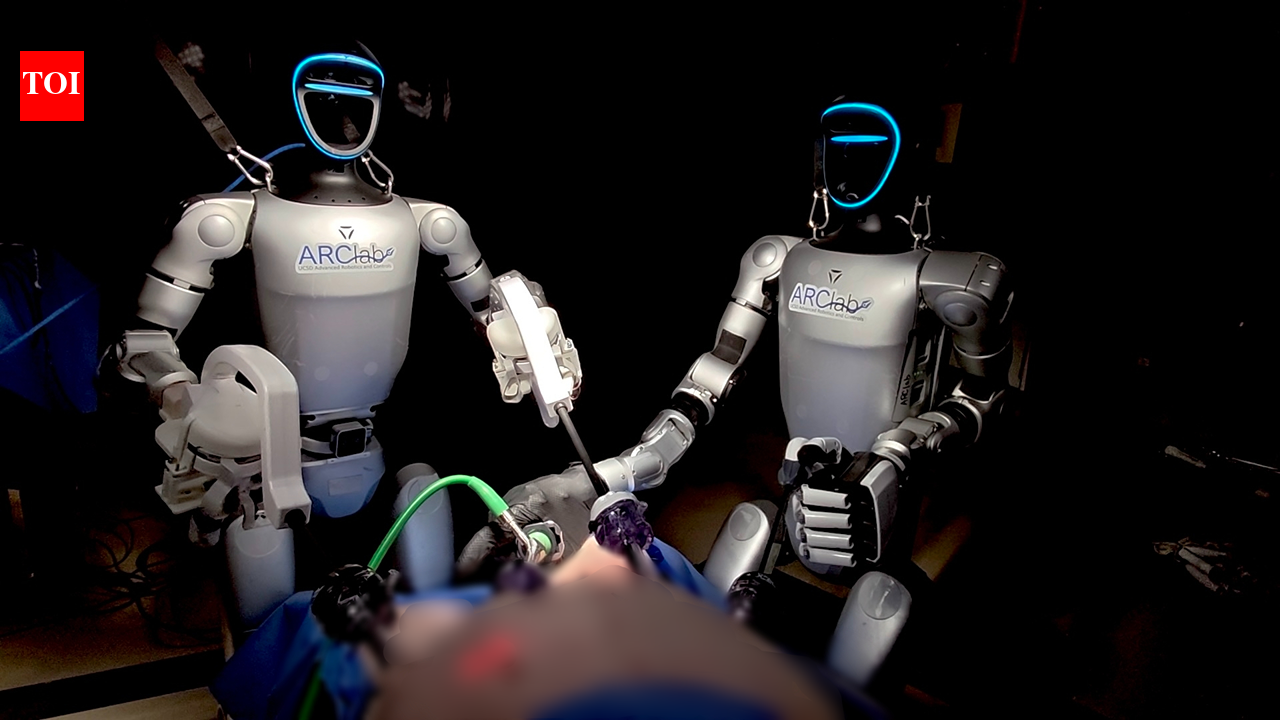
Researchers at the University of California, San Diego, have used two humanoid robots to perform a live gallbladder removal surgery on a pig. This marks what the team describes as the first time humanoid robots have completed such a procedure on a living patient. The surgery was carried out with the robots being fully teleoperated by trained human surgeons, while researchers evaluated whether general-purpose humanoid robots could eventually help extend surgical care to locations with limited access to specialists.The procedure involved laparoscopic cholecystectomy, in which the robots retracted tissue, dissected, applied clips and removed the gallbladder. According to the researchers, the robots remained under continuous human control throughout the operation, and several technical challenges still need to be addressed before the technology can be used in clinical settings.
Researchers evaluate humanoid robots for future surgical care
The study was conducted by researchers from the University of California, San Diego School of Medicine and the university’s Advanced Robotics and Controls Laboratory (ARClab). Rather than developing a custom-built surgical robot, the team used two commercially available Unitree G1 humanoid robots, which were modified for the experiment.In a GitHub overview of the project, the researchers wrote, “Humanoid form factors offer unique potential, particularly for assisting with surgical tasks. Traditionally, robotic systems for surgery are purpose-built platforms such as Intuitive Surgical’s da Vinci Surgical System, and it remains unclear how close current humanoid systems are to meeting the precision, control, and safety requirements of minimally invasive surgery.”The researchers reported that the robots successfully completed the surgical procedure on living tissue. However, a paper published in Nature noted that there are still “key technical challenges that must be addressed before clinical deployment.”The Unitree G1 robots used in the study are commercially available humanoid robots that stand around four to five feet tall and weigh about 70 pounds. According to the researchers, the systems were equipped with dexterous robotic hands, wrist articulation and depth-sensing technology to manipulate surgical instruments. During the procedure, the robots were also tethered as a safety measure to prevent accidental movement.The researchers said humanoid robots could eventually be used in environments where access to surgeons is limited, including rural hospitals and remote locations. Unlike purpose-built surgical robots that remain fixed in operating rooms, humanoid robots are designed to move through human-built spaces and perform various physical tasks while being operated remotely by medical specialists.