OpenAI Bursting the Tech Bubble Could Be New Lehman Moment: Ed Zitron
The AI bubble is simple, Ed Zitron says, because it’s really a bubble in a single company: OpenAI.
As the ChatGPT maker heads toward a momentous IPO, the researcher and AI skeptic says that OpenAI is the only reason anyone cares about AI at all—and it’s failure would spark a collapse similar to the one set off by Lehman Brothers when the bank fell apart in 2008.
Zitron has repeatedly sounded the alarm on AI broadly and OpenAI specifically, publishing a report last month that he said shows OpenAI’s finances are in turmoil.
“The launch of ChatGPT in November 2022 came at the perfect time for a tech industry that had run out of ideas,” he wrote in a post on July 15. “The existence of OpenAI justified an era of mania and opulence,” he added, noting that OpenAI is also the reason that it’s biggest competitor, Anthropic, exists at all. That’s partly because it’s founders came from OpenAI but also because it received funding from warring tech titans trying to plant their own flags on the AI frontier by supporting OpenAI’s top rival.
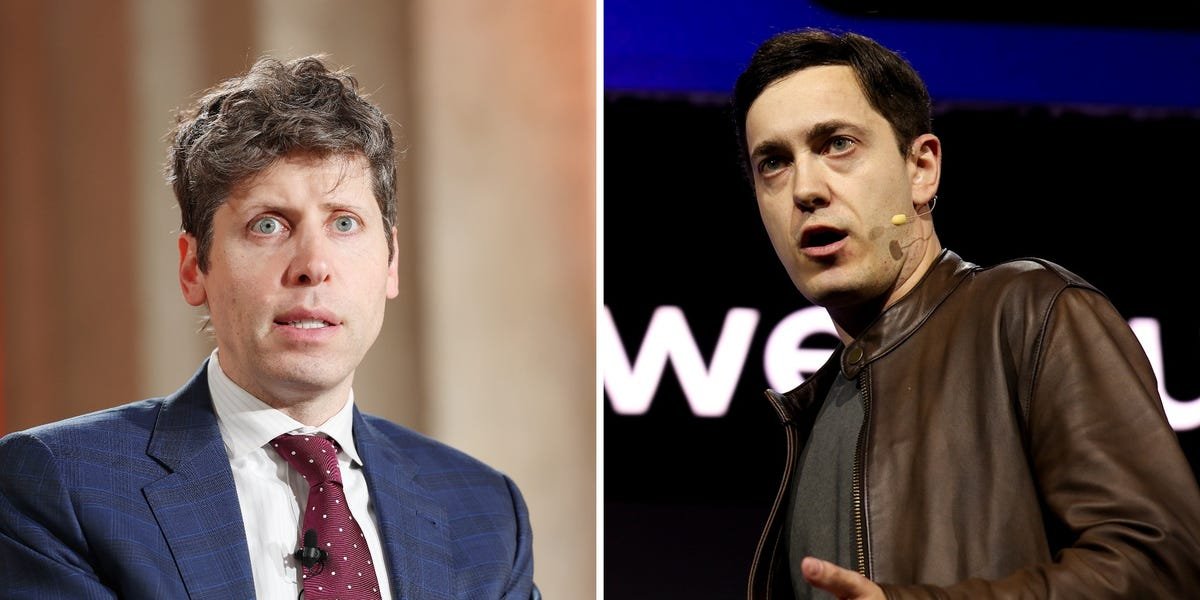
The AI bubble, he argues, is really only possible because of Sam Altman’s company and the attention it has commanded from the public, investors, and the ecosystem of companies that have thrived in its wake.
“The only reason this has kept going so long is that OpenAI has yet to collapse,” he wrote. “Its failure would be a watershed moment — the Lehman Brothers of the AI bubble, and an event that would define the end of one epoch, the start of another.”
Zitron doesn’t have a prediction for how or when OpenAI could go bust, he sees it being a watershed event that will upend markets that have rallied around the AI trade and the economy that’s been boosted by endless capex from companies pursuing their AI ambitions.
If OpenAI were to stop paying infrastructure companies like CoreWeave and Oracle, for instance, Zitron theorizes that those firms would be unable to service their own debts. If it struggles further, OpenAI could end the free tier of ChatGPT and raise costs for users, with the ultimate effect of its troubles being that investors are discouraged from investing in AI startups altogether.
“I believe that once OpenAI collapses it’ll have a violent, punishing effect on the entire stock market, a precursor to a much greater drawdown as everybody accepts that the AI bubble has burst,” he added.
Zitron said the spending that’s powered the AI bubble represents the “the greatest capital misallocation in history,” a phrase used verbatim by fellow AI researcher Gary Marcus, who has also raised major concerns about the AI bubble.