A Chinese AI Model Just Shot to Number One on the Charts, Sending Shockwaves Through the American Tech Industry
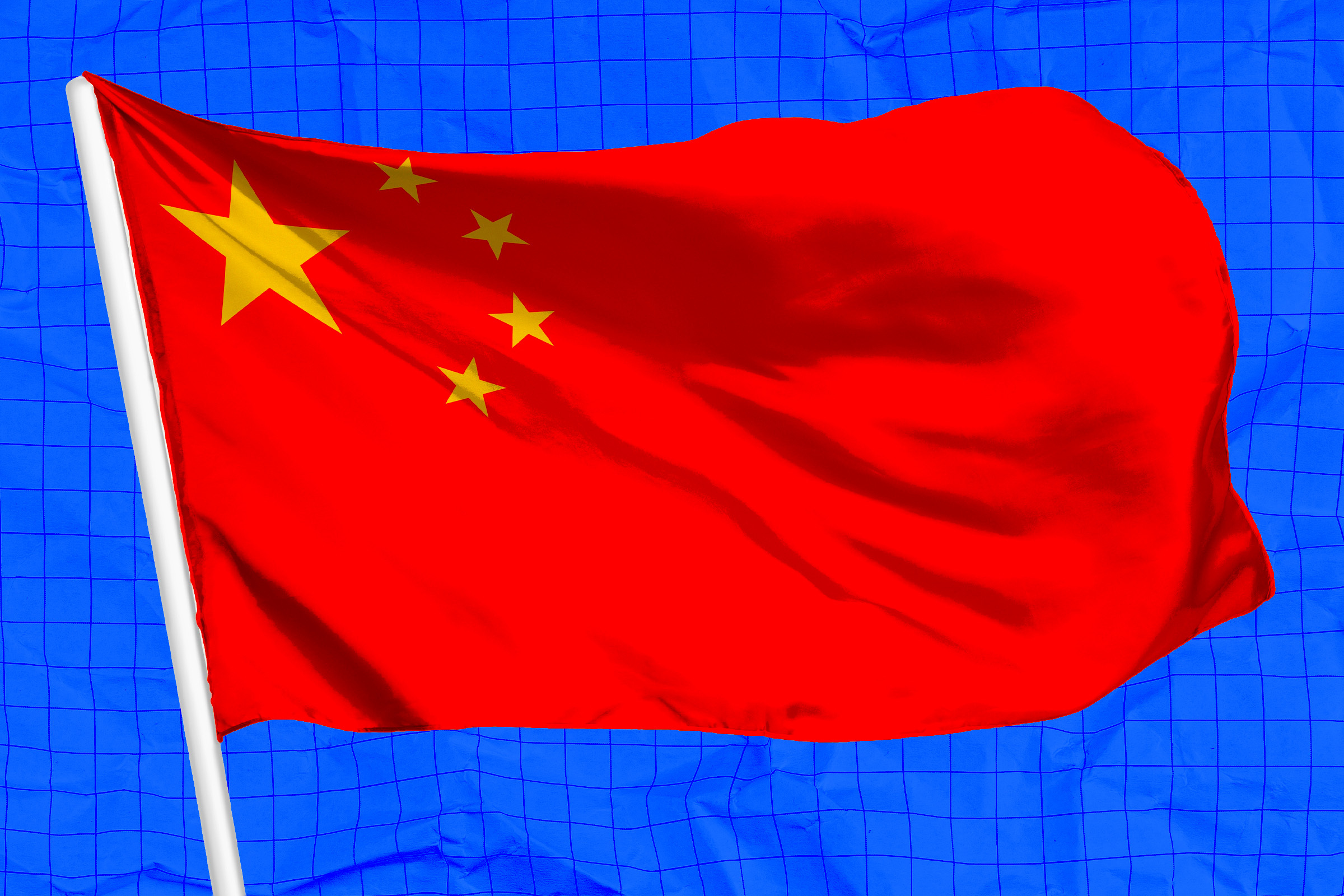
While Wall Street was fast asleep, a Chinese-made large language model quietly leapfrogged 16 other models to become number one on the AI charts.
The model is called Kimi-K3, developed by Beijing-based firm Moonshot AI. On Thursday, the AI benchmark platform Arena.ai announced that Kimi had gone from number 17 in the “Frontend Code Arena” — a measure of an LLM’s ability to perform multi-step web development tasks — to number one, surpassing the buzzy Claude Fable 5 and GPT-5.6 Sol by a mile.
In the “Text Arena,” a measure of an LLM’s ability in text-to-text tasks like creative writing, Kimi-K3 earned the number nine spot, a significant improvement from Moonshot AI’s previous model, Kimi-K2.6, which held number 38.
The news comes as investors are facing a major reckoning, with US semiconductor stocks plummeting on Friday morning and the tech-heavy Nasdaq composite sliding by 1.4 percent. Those losses are extending a horrible week for tech stocks, which had been driven by concerns over an all-American AI bubble.
The moniker, “Moonshot,” might be an understatement. The major catch here is that not only did a Chinese AI model surpass every US-designed model in front-end coding in a benchmark, it did so using a dramatically different approach.
Just like DeepSeek, a similar Chinese AI model that rankled the US stock market last year, Kimi is an open-weight model, meaning its inner workings are viewable to the public. Compared to proprietary models like GPT-5.6 that are kept under lock and key, open models cost users on average six times less, though their performance has historically been ever-so-slightly worse than their closed counterparts.
Responding to the news, Xiaoyin Qu, former Meta senior product manager turned AI entrepreneur, posed an important question: “When the best open weight model exceeds the best closed-source model, how does [Anthropic] justify its Fable pricing? Why would anyone pay for that?”
Even before Kimi-K3 dropped, the proposition of paying up to six times more for the slight performance boost offered by closed models was already pushing US companies toward Chinese AI. Now that the performance gap is closing fast, there’s even less reason for companies or individuals to pay exorbitant prices associated with Silicon Valley’s frontier models.
That simple math is bad news for the US tech industry, which has spent years insisting that it will take trillions of dollars to make AI work.
As Qu observed, “Kimi’s most recent funding round values the company at $20 Billion as of two months ago. Anthropic is worth almost 1 trillion, 50x. Why?”
More on AI: Chinese Court Rules That a Worker Cannot Be Replaced by AI