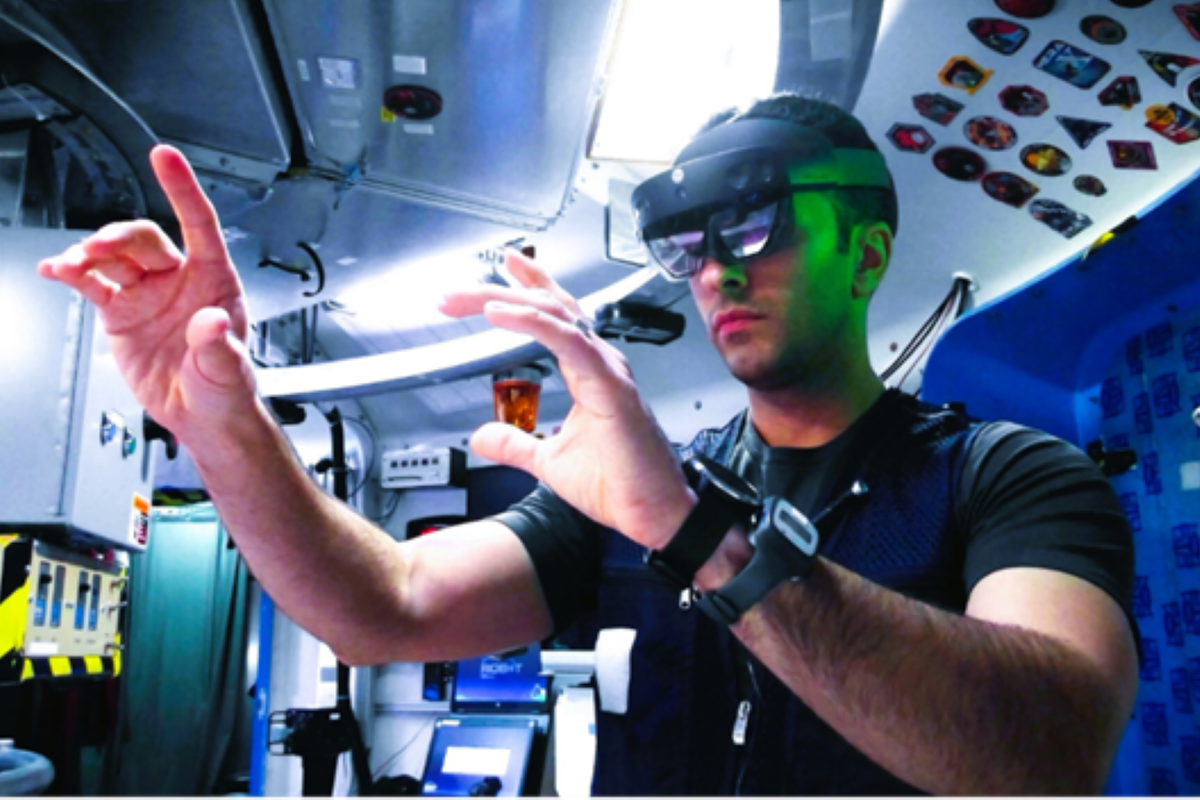
NASA wants to run Mars simulations where volunteers will be isolated for a year
NASA is looking for four volunteers to embark on a year-long mission that will simulate challenges its astronauts might face on future trips to Mars and the moon.
The paid researchers would live and work in isolation and confinement at the space agency’s Johnson Space Center in Houston, Texas, conducting simulated spacewalks, interplanetary transit and planetary surface operations, such as using a rover module.
The experiment is expected to provide crucial data about how to keep astronauts healthy and inform plans for NASA’s upcoming moon base, which is slated to host astronauts in 2029.
“Mission volunteers will help NASA assess and validate hardware, technologies, protocols, requirements and other systems designed to support crew health and performance on long-duration deep space missions, all without leaving Earth,” NASA wrote in a post on its website.
While NASA is taking applications from qualified candidates now, the mission will start no sooner than August 2027.
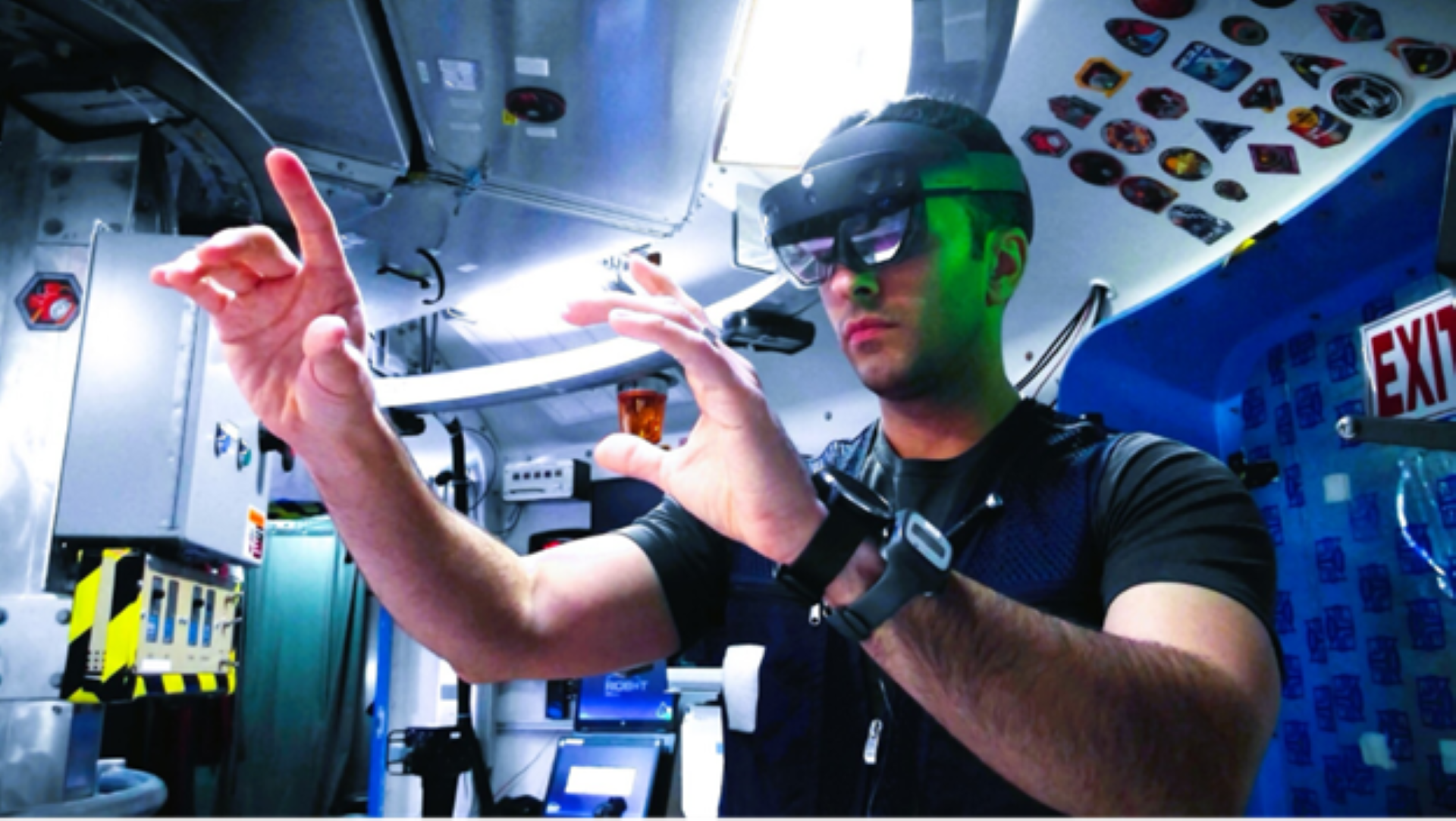
Candidates should be between 30-55 years old, no more than 6’2”, a U.S. citizen or green card holder, possess strong technical skills, have no dietary restrictions or a history of sleepwalking or taking sleeping aids and have astronaut-like education or military experience.
NASA also asks participants to undergo a fitness and psych evaluation.
Extreme isolation has been shown to shift the sleep-wake cycle that regulates the body’s function and warp the mind, leading to hallucinations and mental health concerns.
Humans are social creatures and loneliness has been shown to be as harmful to health as smoking 15 cigarettes a day.
“Many people that have lived in isolated environments – such as researchers stationed in Antarctica – report that loneliness can be the most difficult part of the job,” Sarita Robinson, a senior lecturer in psychology at England’s University of Lancashire, wrote in The Conversation.
But if that sounds like a challenge you’re willing to take on – fortunately, with three other people – NASA asks for 14 months of your time.
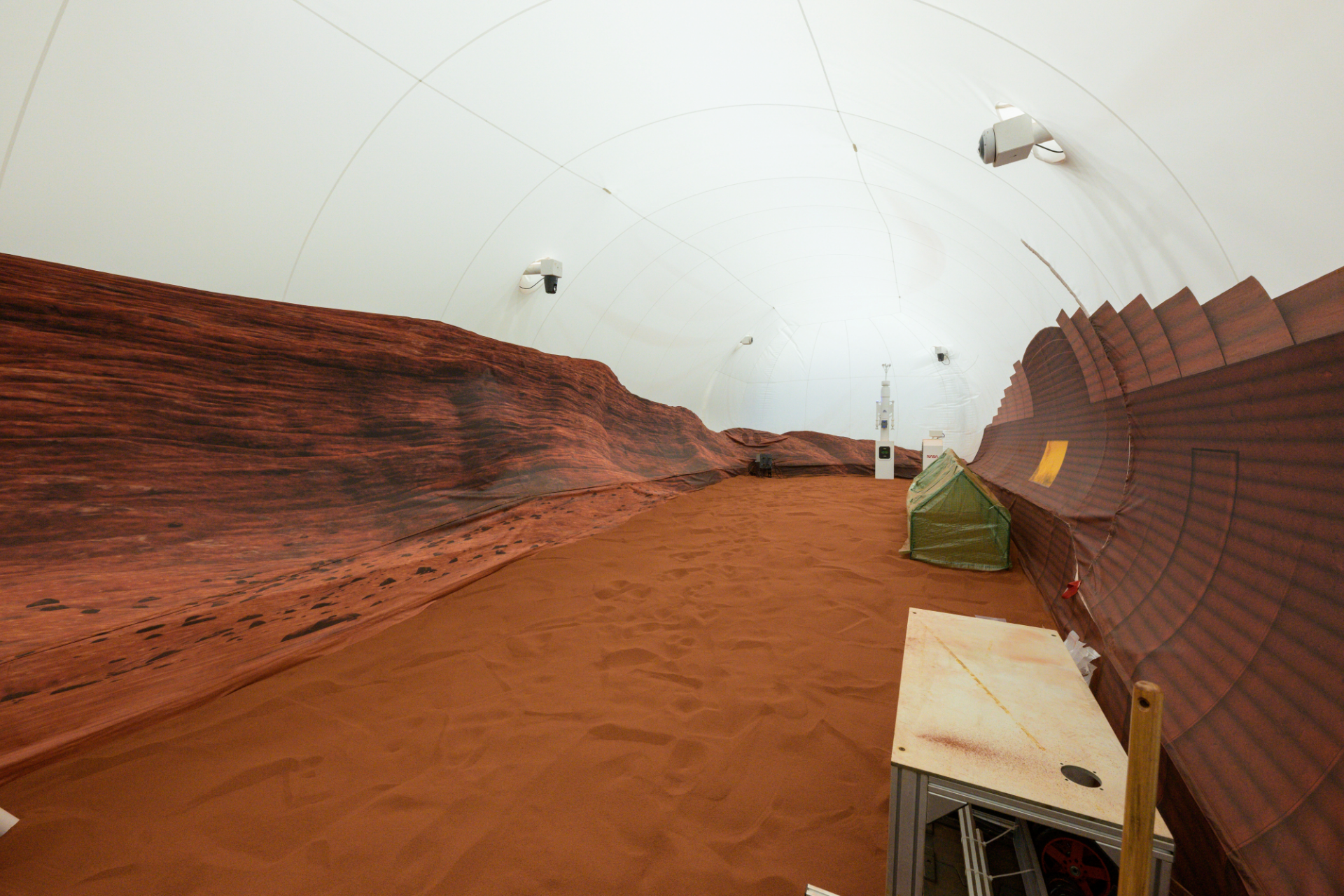
That includes 12 months in two different confined habitats and two months of pre- and- post-mission training and data collection.
NASA will also reimburse the chosen candidates — but it’s not clear how much.
The agency did not immediately respond to The Independent’s questions about reimbursement, but said that some restrictions apply to NASA civil servants and contractors.
Volunteers have been paid in past missions and work for NASA. A 2024 Mars simulator mission paid volunteers $10 per hour for all “waking hours,” for up to 16 hours per day. according to The Houston Chronicle.