5 Cool Features That Come With The Slate Truck
At a time when new vehicle sales in the U.S. are struggling, Slate is making a bold entrance into the market with something buyers rarely see: a cheap EV. Normally, the words “cheap” and “electric vehicle” do not often appear in the same sentence, at least not unless you are talking about one of the more affordable models sold in China. But Slate is an American automaker trying to make this a reality.
Its approach is to strip the vehicle down to the basics and leave out most of the things that are merely nice to have off the standard equipment list. Should you decide you want those extras, you can add them later, building up the truck almost like a life-size Lego project. The result is a two-seat electric pickup with a starting price of $24,950 and more than 200 available accessories. You can add everything from speakers and exterior wraps to a conversion kit that turns it into a five-seat SUV.
The price, however, is not the only cool thing about this vehicle. When we first looked at the Slate Truck last year, it was easy to see its appeal. It is inexpensive enough to attract first-time EV buyers, simple enough for people who miss old-school trucks, and customizable enough for drivers who want something they can tweak to their specific needs. Still, describing it as merely cheap and modular does not quite capture what makes it interesting. So, here are some of the cool features you can expect from the Slate Truck.
It’s a blank slate, literally
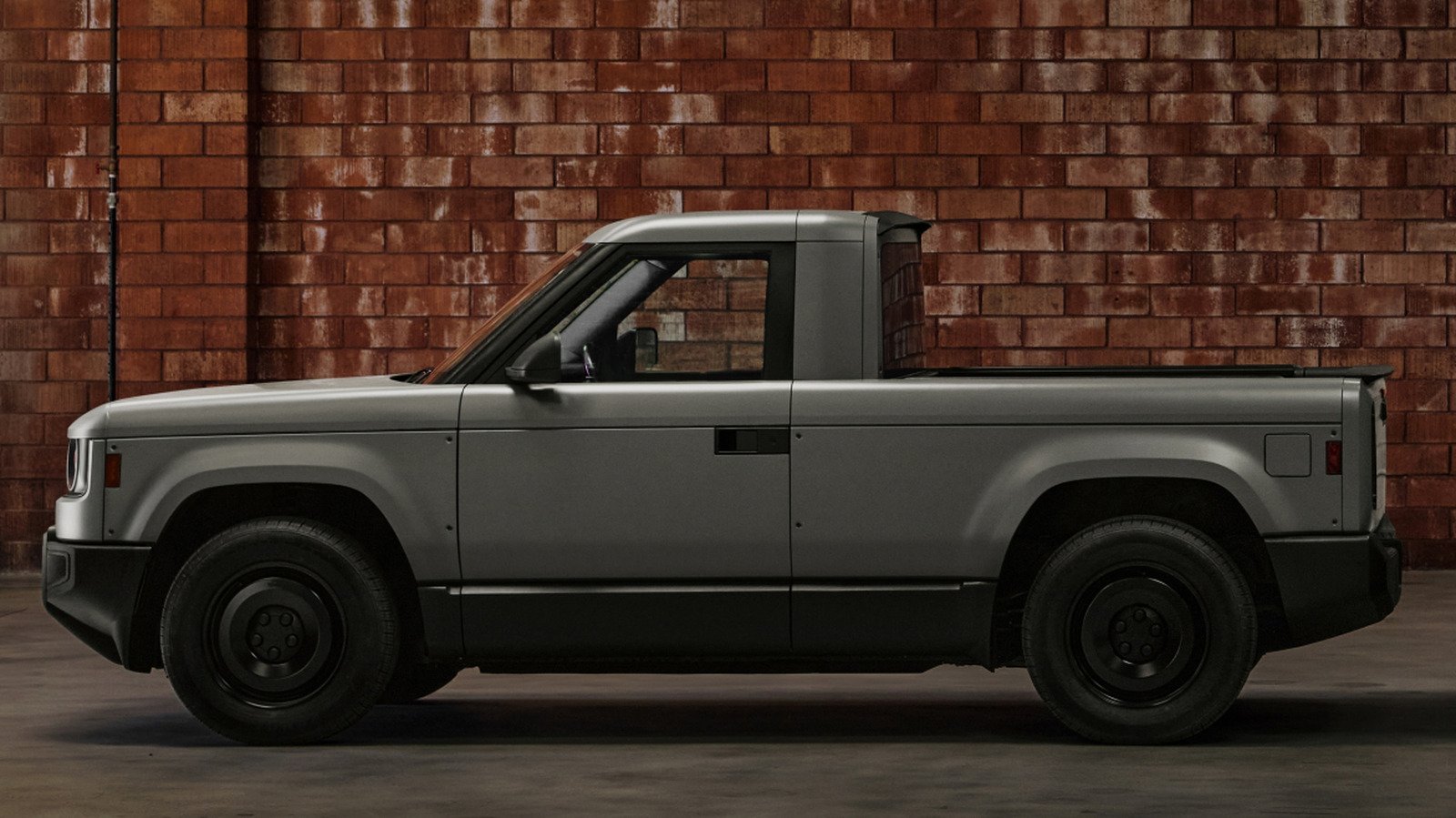
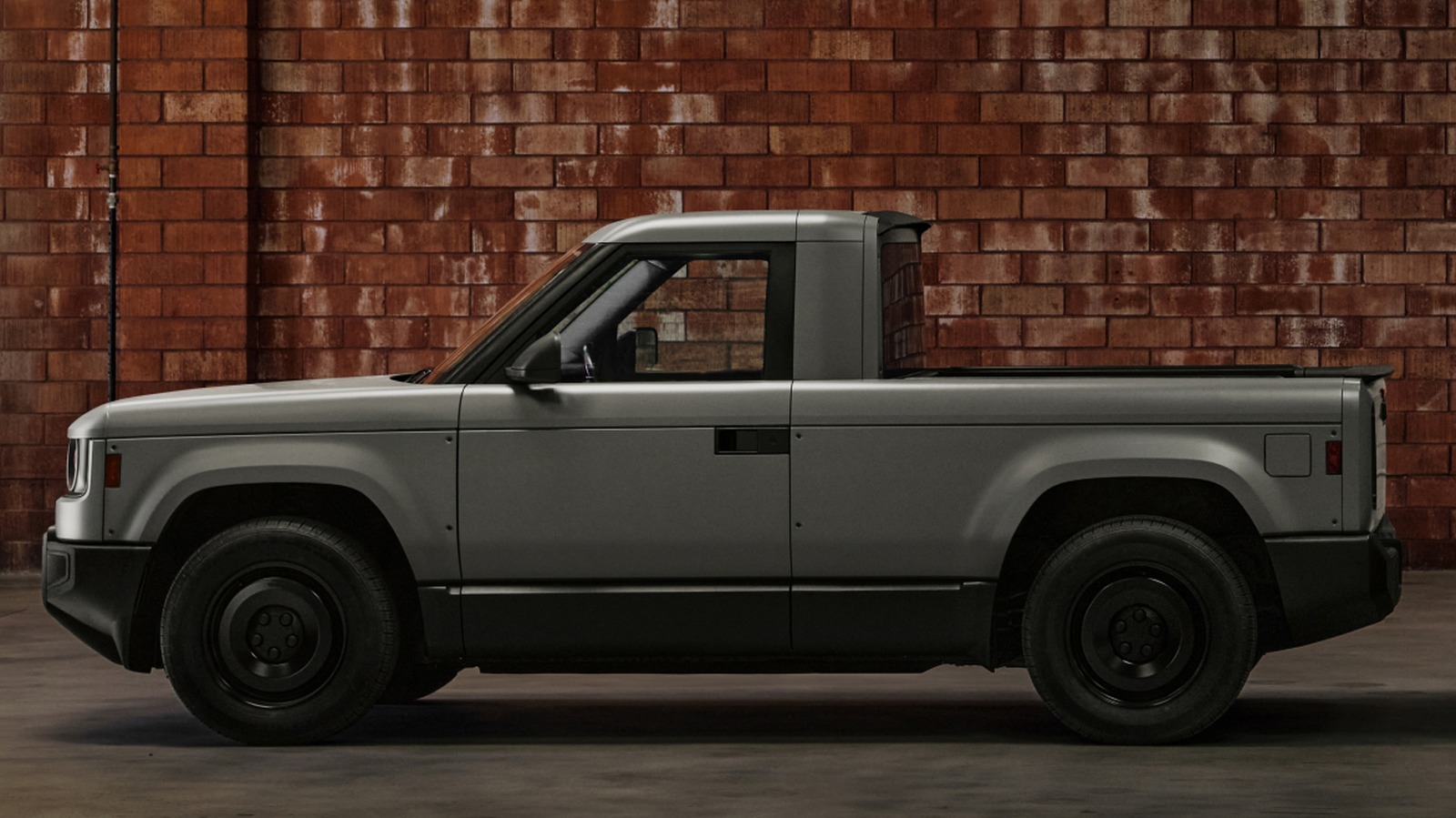
Every vehicle that rolls off Slate’s factory in Warsaw, Indiana is the same gray truck, which the company calls the Blank Slate. So, everyone starts with the same blank canvas, which includes a single-motor, rear-wheel-drive under the hood. Between all the accessory options though, there’s a really wide range between that original minimalist design and however fun or personalized what ends up in your garage turns out.
On one end, there are the body styles, of which there are five. It starts with the compact two-seat pickup, which gives off a classic Ford Bronco vibe. From there, you can build up to the Squareback SUV which is a boxier five-seater with a traditional roofline, or the Fastback SUV, which has a slightly sportier profile. There’s also an open-air SUV option — doorless, roofless in back, closer to a Jeep Wrangler — and a covered-cargo version of the pickup for buyers who don’t want an open bed.
So, when your truck rolls off the assembly line, you can take it as-is or have Slate deliver it already converted into one of those other styles. And if you change your mind, that’s fine too. Slate’s whole pitch is that you hold the reins. Buy the pickup, convert it to an SUV later. Buy the SUV, convert it back to a truck. The vehicle isn’t locked into one identity the way most cars are. Of course, all of that customization drives up the price. The SUV kits alone run roughly $5,000 for the Squareback and $7,000 for the Fastback, before tax and before any other exterior or interior changes.
There’s a lot to personalize
Speaking of exterior and interior changes, Slate’s accessory catalog covers much of what brings personality to the car. One thing to point out is that Slate skipped paint in its design and went for wraps instead. The ethos behind a lot of its decisions is to shave off any cost that hinders it from delivering a truck priced under $25k. Wraps start at around $500, and you can choose from more than 100 colors, an array of patterns, or even a custom design if that’s what you prefer.
And if decals are your thing, there are accents you can play around with, too. That’s not all you can tinker with. You can play with the wheels, the tires, the lift, the bumper and fascia. All these are things you can add on your own time rather than committing to when you place an order. Some of these accessories have prices, and others don’t just yet. But we can’t help but wonder if adding all of these might run up quite a hefty bill.
The cool thing though is ten people could buy the Slate truck, and each one could look quite different from the next, and not just in terms of color. Someone into off-roading could go with a 17- or 20-inch wheel, all-terrain tires, and a lift kit. Someone who wants a roof rack for gear like bikes or kayaks can add that too. Inside, one owner might have brightly colored dash panels, while another sticks with the standard grey look. If you’d be hauling a lot of stuff, it helps to know that the towing capacity is rated about 2,000 pounds, while the bed supports up to 1,550 pounds of load.
It has a refreshing lo-fi design
Cars have become increasingly techy, and all those added gadgets can be pretty daunting to navigate. While many of these additions are intended to make our lives easier and our drives safer, they can also make newer vehicles feel less intuitive to operate. Slate, however, appears to be on a mission to bring back what we loved about the cool trucks from the ’70s.
Like a lot of pickups from that era, the Slate truck is a compact two-door, two seater with a five-foot bed. When you step inside, you won’t find an overwhelming infotainment system. In fact, Slate encourages owners to bring their own technology. You can add a mount for your phone and use it for GPS or dock your own Bluetooth speaker when you want music. In the absence of those, there is no wireless CarPlay or Android Auto to figure out. And the only screen is a small one behind the steering wheel that shows speed, range, and mileage. If you want speakers or a tablet mount, you can add them at an extra cost.
There is also a return to tactile controls, something we don’t see enough of these days as touchscreens are popular now. The steering wheel tilts and telescopes, with actual buttons for cruise control and a traditional turn-signal stalk. You crank the windows down by hand and turn physical knobs to control the HVAC system. And yes, it does come with air conditioning. Overall, nothing feels particularly precious or complicated. Everything is straightforward, functional, and designed to let you get in and drive.
It gives you a right to repair
If you actually want to modify a car these days, there can be a whole lot of hoops to jump through. Modern vehicles come loaded with proprietary tech and electronic components that often demand a professional’s attention. With electric vehicles, it’s even more complicated once you factor in the complex battery management systems. You’re generally better off going through the manufacturer or an approved dealer for most mods. Sidestep that, and you risk voiding your warranty.
Slate, from all indications, wants to be the exception. As part of its DIY philosophy, owners can configure and work on much of the vehicle themselves. There are multiple bolting points built into the exterior for exactly that purpose. As we mentioned earlier, Slate can install an SUV conversion kit before delivering the truck. However, if you order a Blank Slate and decide later you want your ride more SUV style, you can order the conversion kit and handle the install yourself, even with little to no auto repair experience. When you get the car, you will also get access to Slate University, a free online library with video tutorials to walk you through installations step by step.
Slate has been clear about designing the truck so owners can really get hands-on with much of it themselves, which is a big move away from the direction most of the industry has gone in. Of course, you don’t have to tinker with it yourself. Slate has partnered with RepairPal to provide owners with a network of independent service shops. So, you can do the work yourself or turn to a service partner when the job calls for it.
It’s electric
Even though a lot of the design choices here lean heavily into the nostalgia of old trucks, this is very much a modern vehicle that you can charge by plugging into a 120V outlet. With that Level 1 setup, you’d have to leave it plugged in overnight to gain back somewhere between 20 and 50 miles. Level 2 charging, which requires a 240V outlet, gets you a full charge in roughly four to eight hours. Fast charging, which you can do at a Tesla Supercharger since it uses the same standard NACS port, takes the battery from 20 to 80 percent in about 30 minutes.
They’ve updated the range to 205 miles, up from the 150 miles Slate first estimated. Early test drives have confirmed the cabin is relatively quiet, and for a truck putting out only 181 horsepower, tech reviewer Marques Brownlee, better known as MKBHD, said in his test drive that it’s got quite a bit more pep than the numbers on paper would suggest. One-pedal driving comes on by default, and you currently can’t switch out of it. There are also no other drive modes to choose between.
There’s also an app planned for later this year. We did notice while browsing the configurator site that telematics, which helps you connect your smartphone to your Slate truck, are something you add for $275. This is what helps control your vehicle remotely or precondition the battery. All that said, we couldn’t help but wonder: If everything here is geared toward saving cost, how safe is it? Slate assures buyers it isn’t compromising there and is targeting five-star NHTSA crash ratings. Every Slate comes standard with front and side curtain airbags, plus a backup camera, forward collision warning, and automatic emergency braking.