Similar Posts
Should we trust AI in the search for alien life? Scientists aren’t so sure
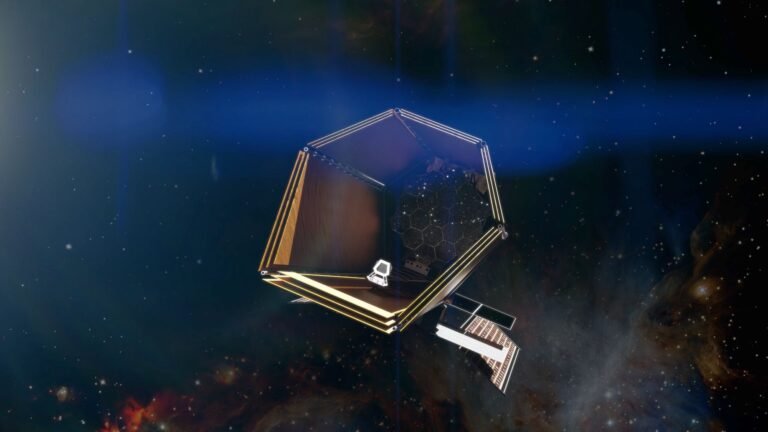
Artificial intelligence could easily fall into the trap of identifying non-life as life on other worlds, claim two researchers from Michigan State University who have tested AI on simulated life in a computer program. “We had previously seen that AI has a big Achilles heel when it is trying to classify things that are unlike…
Incredible new material makes heat programmable
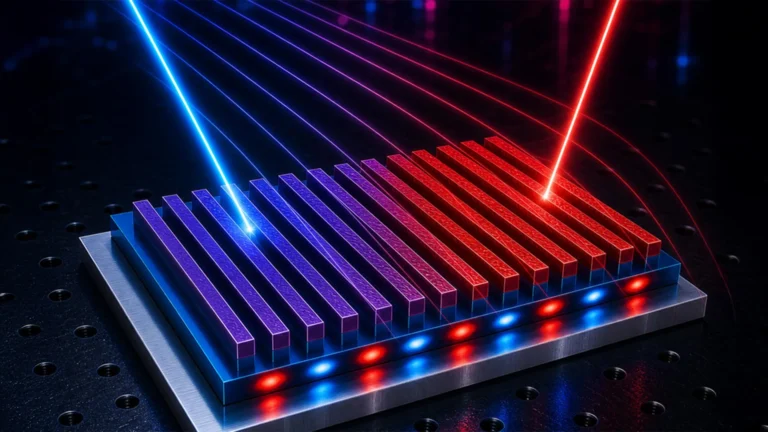
In most materials, the way heat is absorbed and the way it is emitted are inseparable. If a surface absorbs heat efficiently from a particular direction or wavelength, it also emits heat the same way. This long established principle, known as reciprocity, has made it difficult for scientists to independently control how thermal energy enters…
Creating sustainable infrastructure with continuum robots
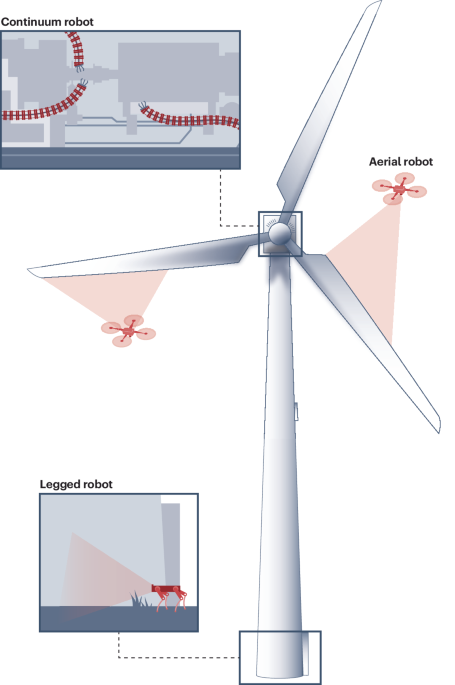
Creating sustainable infrastructure with continuum robots
Columbia scientists discover surprising link between serotonin and heart valve disease
Serotonin is usually associated with mood, sleep, and digestion. But research published in 2023 suggests this chemical messenger may also influence a small structure that performs a vital job during every heartbeat: the mitral valve. The multicenter investigation found evidence that reduced activity of the serotonin transporter may accelerate damaging changes in valves already affected…
Iraq says $19M found in hideouts linked to ex-oil minister | Newsfeed
NewsFeed Iraqi authorities say they seized the equivalent of $19 million in cash and several kilograms of gold jewelry hidden in secret hideouts linked to an ex-deputy oil minister. Published On 16 Jul 202616 Jul 2026 Click here to share on social media share-nodes Share googleAdd Al Jazeera on Googleinfo
NASA’s Viking I Landed on Mars 50 Years Ago and Transformed the Search for Life
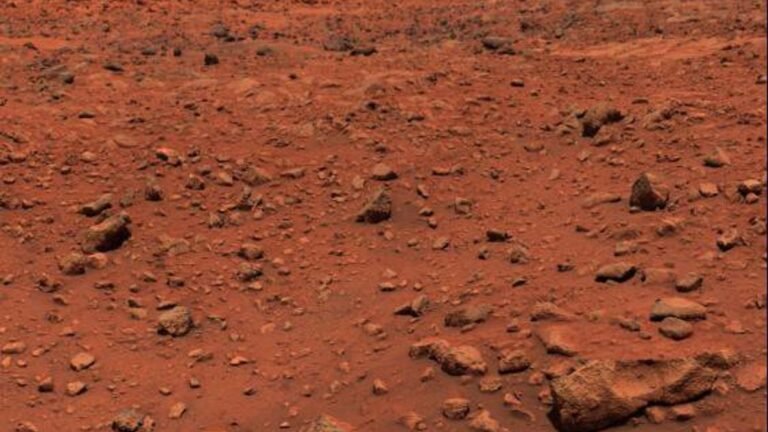
In the 1970s, NASA scientists wondered about possible life on Mars. They weren’t expecting to find little green men like The Great Gazoo from The Flintstones. Rather, they suspected there might be microbial life on the Red Planet. In 1976, NASA sent up two spacecraft, Viking I and Viking II. This year is the 50th…