Top 3 Food Robotics Companies Leading Industry Innovation
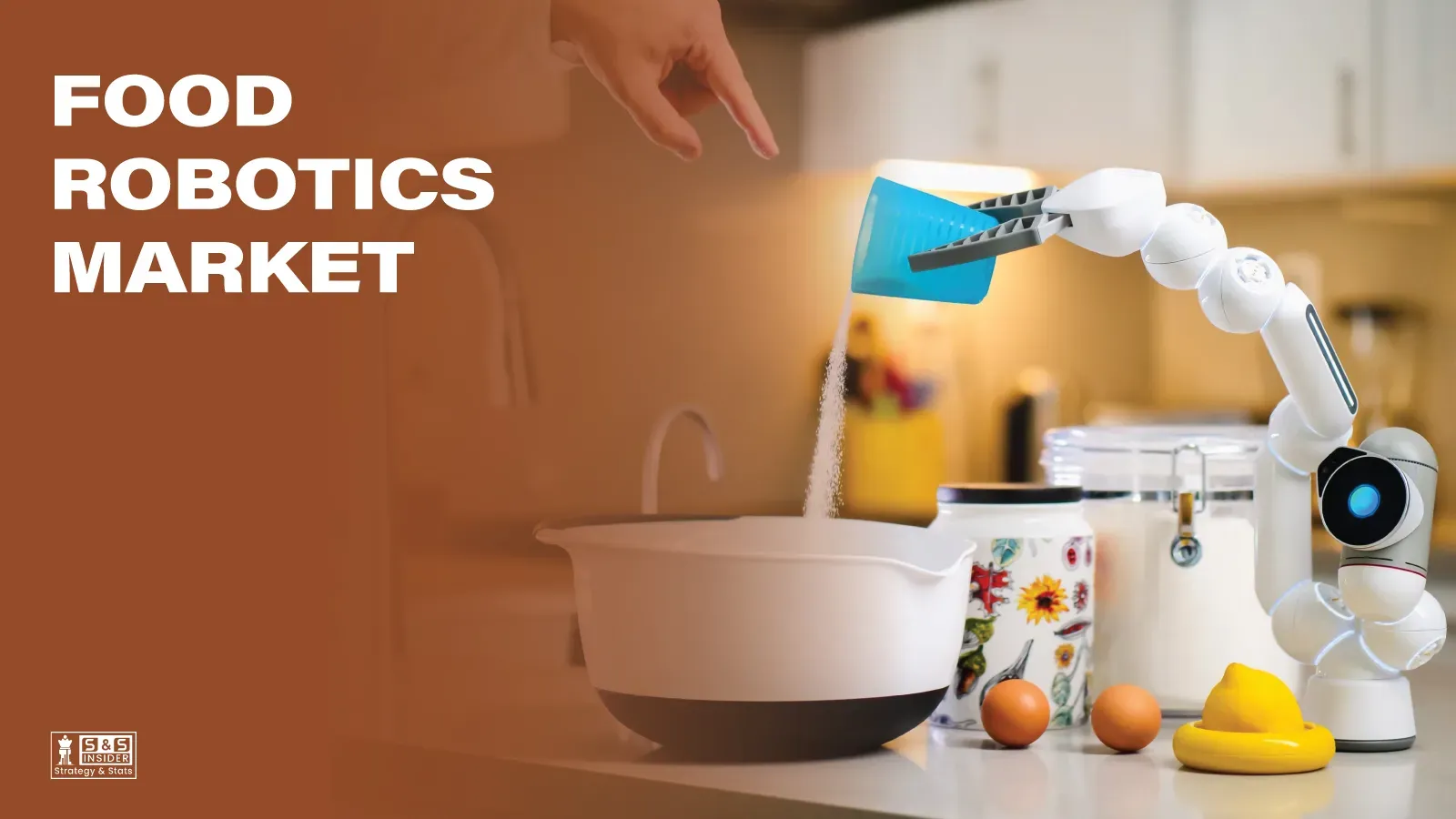
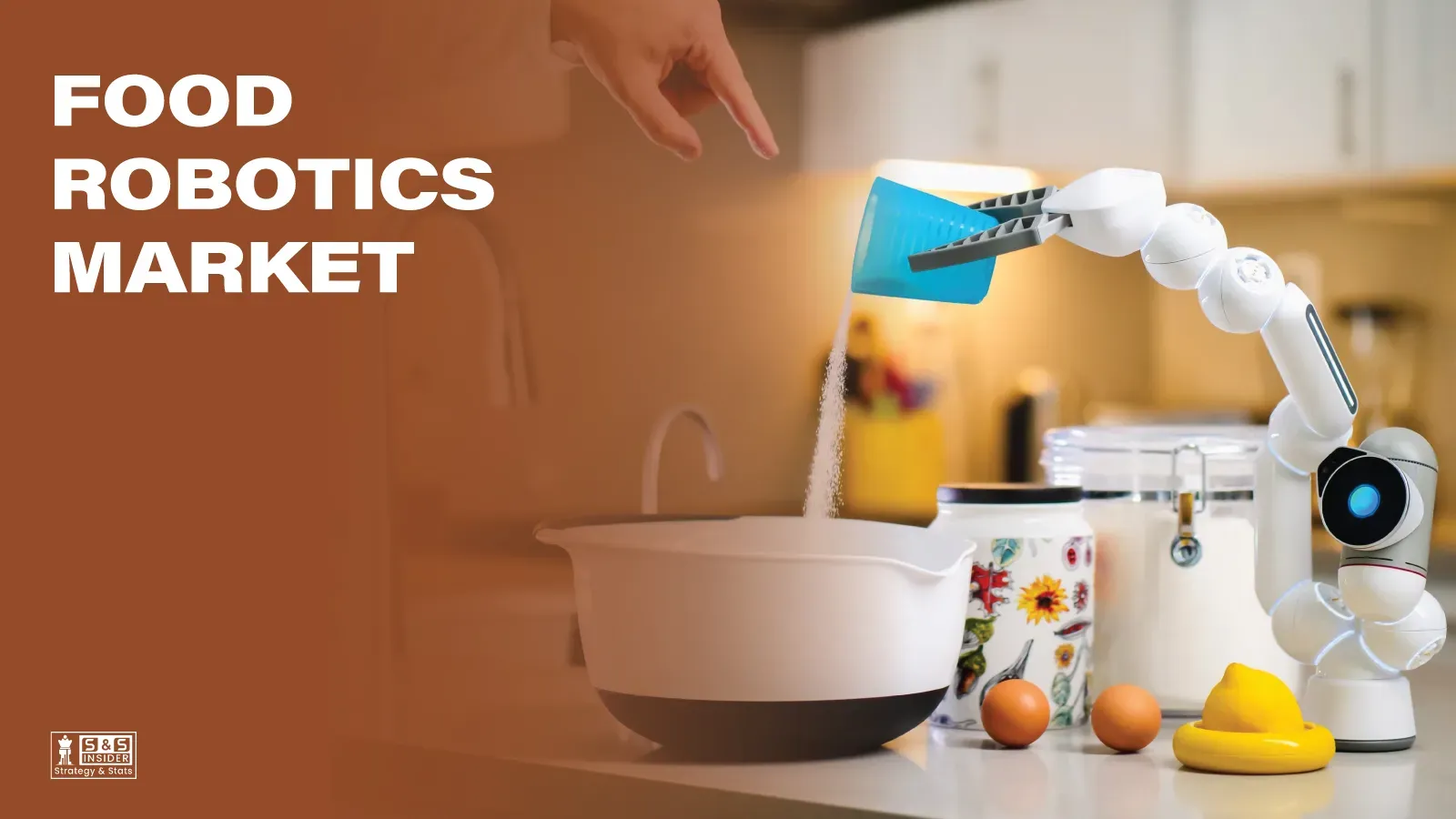
There is growing adoption of automation in the global food industry as manufacturers and food services aim at achieving productivity, increased food safety, and operational efficiency. Automation technologies, such as food robotics have become significant in performing activities such as food processing, packaging, sorting, palletizing, inspection, and delivery of foods. By leveraging the power of automation and AI technology like machine vision and smart sensors, food manufacturing companies are ensuring accurate production processes and minimizing labor dependence and cost.
According to SNS Insider, the Food Robotics Market around the globe was valued at USD 2.23 billion in 2024, and the market is expected to attain a value of USD 10.00 billion by 2032 with a CAGR of 20.64%. The rising consumer demand for ready-to-eat foods, processed foods, and contactless services is speeding up the application of robots in the entire food value chain even further. Labor shortage, increased hygiene requirements, and the need for maintaining high-quality standards of products are motivating food companies, restaurants, and logistics companies to incorporate intelligent robotic systems. The fact that robotics will be able to manage fragile and intricate food items in the future makes it an inevitable part of the food industry.
Gain Actionable Intelligence on the Food Robotics Market – Request a Sample Report
Top 3 Leading Food Robotics Companies
1. ABB
 ABB is among the top automation firms in the world and offers high-performance robots for food manufacturing, packaging, palletizing, and logistics. ABB’s robots are popular among food manufacturers due to the accuracy, speed, adaptability, and maintenance of strict hygiene standards. With ABB’s robots, AI, machine vision, and digital technologies help increase efficiency and reduce food wastage and down-time. ABB keeps increasing its market share through innovative uses of robots in the field of food automation. In 2025, automation by ABB caught much attention with the opening of the Burger Bots restaurant in California which uses robot chefs that make burgers within 27 seconds.
2. Rockwell Automation
 Rockwell Automation is a global leader in the field of industrial automation and digitalization providing integrated robotic controls systems, intelligent manufacturing systems and factory automation systems for food and beverage companies. The technologies provided by Rockwell Automation increase the production efficiency, quality assurance, traceability and transparency of operations at food processing facilities. Rockwell Automation uses a combination of industrial robotics with IIoT, AI and analytics capabilities and cloud-based manufacturing systems to allow food producers to optimize their production line while adhering to the strict requirements of food safety regulations.
3. Denso Corporation
 Denso Corporation is well-known for its fast industrial robots that have been developed for precise manipulation, packaging, assembling and inspection purposes. Robotic systems produced by Denso Corporation are commonly used in food manufacturing plants due to their high levels of accuracy, flexibility, and reliability when working with delicate food products and fast-paced production process. Currently, Denso continues developing collaborative robots, artificial intelligence-based vision systems, and intelligent automation solutions to increase productivity and ensure safe cooperation between humans and robots. Innovations of Denso Corporation allow producers solve labor shortage problems and increase demand for flexible food production systems.
What Is Driving the Future of the Food Robotics Market?
The rapid development of automation in the area of food processing and food services industry is the major factor responsible for the growth of the Food Robotics market. The issues of labor shortage, high labor costs, and hygiene needs in food processing industries have forced organizations to use automation for their routine operations. With the help of robots, organizations can improve their efficiency, minimize risks of contamination, provide consistency in quality, and operate on a round-the-clock basis.
The development of artificial intelligence, machine vision, smart sensing and collaborative robotics has revolutionized food automation. Robots today have better accuracy in identifying, sorting, cutting, packaging, and testing food products compared to conventional automation systems. There are also automated delivery vehicles, robots that work in kitchens, and food testing robots due to the increasing applications of robots outside the manufacturing sector into restaurants, retail, and food delivery services. For instance, Uber Eats has rolled out AI-enabled food delivery robots on sidewalks in Tokyo, while DoorDash in collaboration with Coco Robotics has automated food delivery robots in Los Angeles.
In terms of regional analysis, North America dominates with the biggest market share of about 44% due to sophisticated manufacturing infrastructure, extensive use of robots, and higher investment in automation technology. Asia-Pacific will emerge as the region with the highest growth rate from 2024 to 2032 due to fast industrialization, increased processed food production, government promotion of smart manufacturing, and high adoption rates of automation technology in China, Japan and India. Europe will maintain its dominance in the market through food safety rules, sustainability efforts and adoption of Industry 4.0.
The Road Ahead
The future of the Food Robotics Market will depend on the development of artificial intelligence, collaborative robotics, machine vision, and autonomous food handling technology. The food industry is going to adopt robotic automation because there will be more needs for efficiency and flexibility in their manufacturing processes, packaging, warehousing, and delivery of their products.
Businesses that are working on intelligent robotics, artificial intelligence automation solutions, smart factory systems, and autonomous logistics systems are going to be well prepared to benefit from the fast-growing market. With the rise of the digital transformation of the food industry across the globe, it is anticipated that food robotics is going to be a key technology that helps achieve safer, faster, and efficient food manufacturing.