Similar Posts
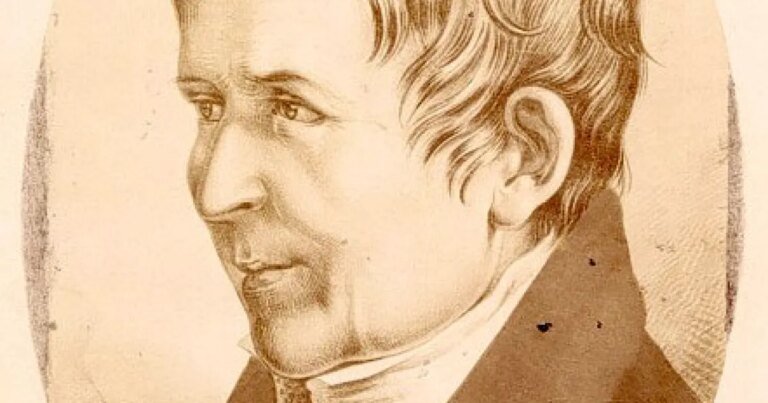
July 11, 1801: Jean-Louis Pons finds his first comet.
Back to Article List Today in the history of astronomy, the most prolific comet-discoverer of all time gets his start. With a remarkable memory and a “comet-seeker” telescope, Jean-Louis Pons found more comets than any other observer in history. Credit: Wikimedia On July 11, 1801, French astronomer Jean-Louis Pons made his first comet discovery, c/1801…
Cosmic gymnastics: How our Milky Way once underwent a dramatic flip
submitted by /u/bojun [comments]
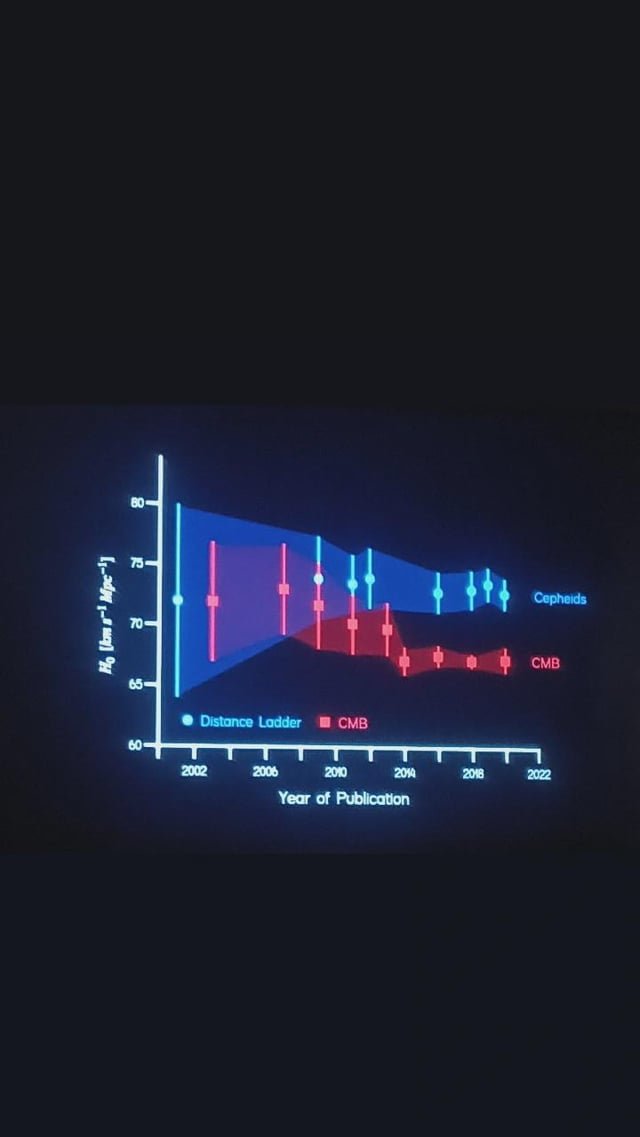
Hubble tension?
There are 2 independent studies of the rate of expansion of universe and both were different and it's off by 8-9 percent so are we so wrong or we are correct and universe itself somehow increased it expansion rate it's been so long for this argument and no answer yet and the measurement is also…
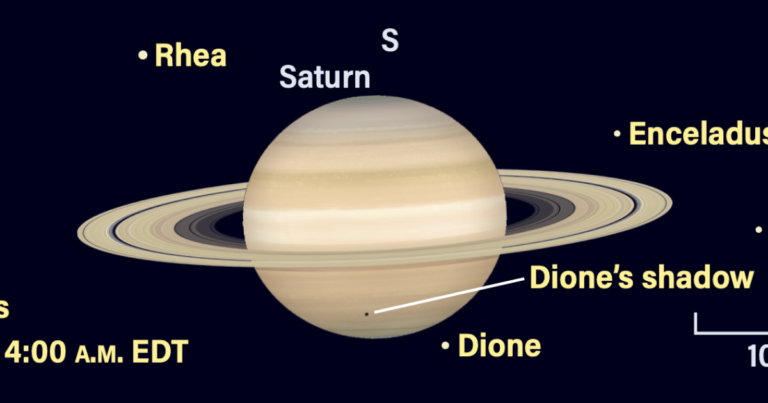
The Sky Today on Saturday, July 11: Dione passes north of Saturn
Back to Article List Everyone can watch a small moon skim Saturn’s northern pole, while advanced imagers may catch its shadow on the cloud tops. Tenth-magnitude Dione passes north of Saturn twice this month, accompanied by its shadow. The latter can only be detected via imaging. Also shown are several fellow moons: Rhea and Tethys…
Sunrise over the VAB
Was in town last week and took these pictures of the VAB at sunrise after watching the SpaceX launch on Thursday. Wasn't something I was expecting but the lovely Florida humidity and haze gave a cool effect! submitted by /u/NightKiller_2 [comments]
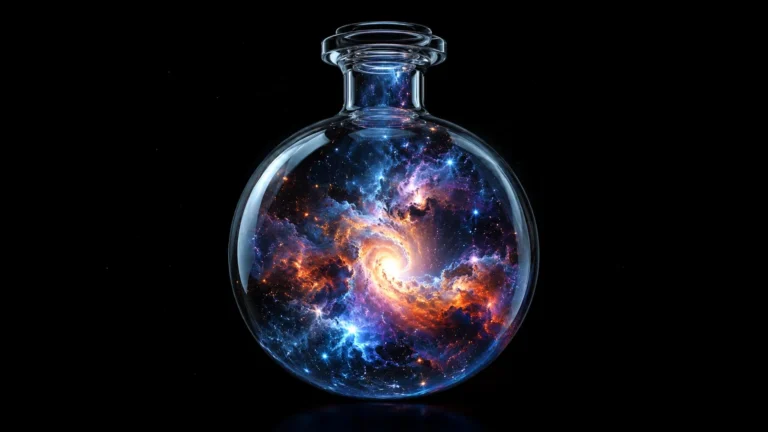
A tiny universe in a bottle reveals clues to the origins of life
A PhD student in Sydney has produced cosmic dust from scratch by recreating a small piece of the universe inside a laboratory bottle. The experiment offers new clues about how some of the chemical ingredients associated with life could have developed before Earth even formed. Linda Losurdo, a PhD candidate in materials and plasma physics…