The 2026 Buck Moon Will Rise This Week, Coinciding with Three Active Meteor Showers
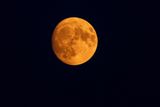
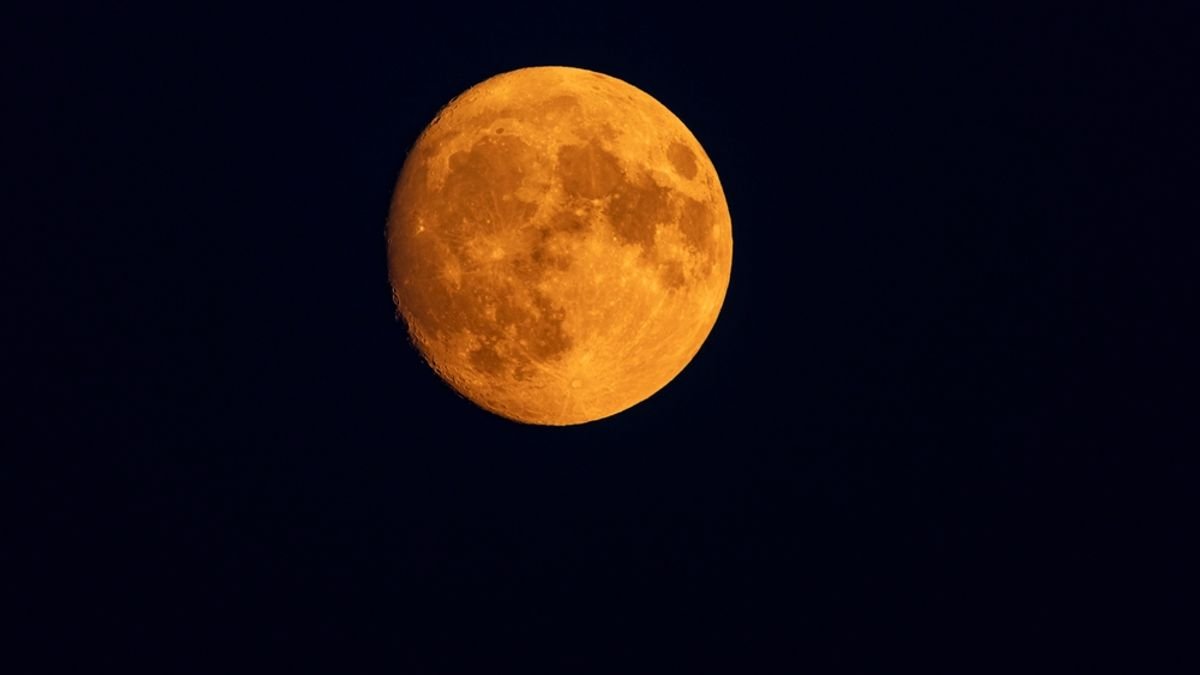
July 29, 2026 marks the rise of the full Buck Moon, the first full moon since the summer solstice. Along with the Buck Moon, the Southern Delta Aquariids and Persids meteor showers will appear in the night sky, though the moon’s light may make it difficult to catch a glimpse of any falling meteors. As July ends, early risers may also catch a glimpse of Mercury in the pre-dawn skies.
Learn more about the Buck Moon and when to see it, along with some other fascinating night sky events coming up this week.
When to See the Full Buck Moon
The Full Buck Moon will occur on July 29, 2026, peaking at 14:36 UTC (9:36 a.m. CDT). You may see it better in the evening, but viewing times will depend on where you live, according to Time and Date. As the sun sets, look towards the Eastern horizon for the moonrise, according to the Old Farmer’s Almanac.
Getting somewhere high, like a hill or bluff, can help you get a better view of the moonrise. Traveling away from urban environments and city lights is another great way to get a clearer view of the full Buck Moon as it rises higher in the sky.
Why Is it Called the Buck Moon?
The July full moon is typically called the Buck Moon because of the emergence of male deer antlers at this time of year, according to Time and Date. Male deer, or bucks, grow and shed their antlers every year and, as the years go by, the antlers grow bigger and bigger each time.
This name, according to the Old Farmer’s Almanac, has been used by Indigenous peoples, European settlers, and others for generations. Other Indigenous names for this moon also included the Thunder Moon — since thunderstorms are more common in July — the Salmon Moon, and the Raspberry Moon, according to Time and Date.
Among Celtic traditions, the moon has been known as the Wyrt Moon or the Herb Moon because July is when herbs are traditionally harvested. Among the Anglo-Saxons, it was referred to as the Hay Moon because of the July hay harvest.
What Else Will Viewers See in the Night Sky This Week?
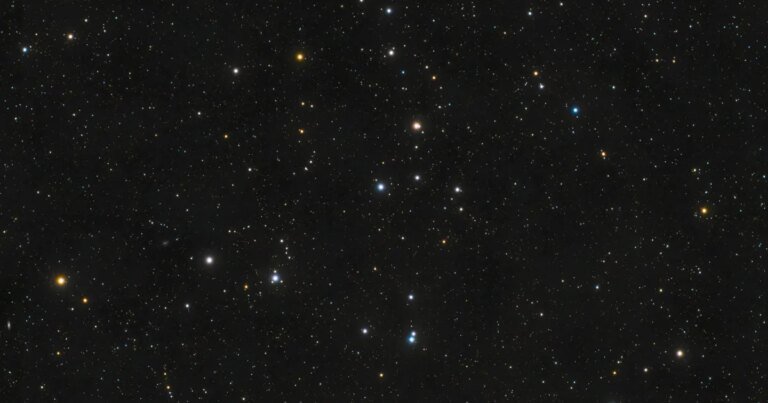
Besides the full Buck Moon, several other celestial events are taking place. Currently, the Southern Delta Aquariids, the Alpha Capricornids, and the Perseids meteor showers are all occurring, with the first two set to peak on July 30, 2026, to July 31, 2026, according to the American Meteor Society.
Because of how bright the Buck Moon will be this week, it may be difficult to see the meteor shower. However, the new moon will occur on Aug. 12, 2026, the same day as a total solar eclipse and the peak of the Perseids meteor shower. On that day, depending on weather and location, it’s likely that viewers will see stunning meteors.
Lastly, as this coming weekend comes to a close, early morning sky viewers may spot Mercury as it appears furthest from the sun. This is what is known as the greatest western elongation. In the Northern Hemisphere, this will occur at 3 a.m. CT on Aug. 2, 2026, according to EarthSky.
Read More: A Total Solar Eclipse and the Perseids Meteor Shower Will Share the Sky in August 2026
Article Sources
Our writers at Discovermagazine.com use peer-reviewed studies and high-quality sources for our articles, and our editors review for scientific accuracy and editorial standards. Review the sources used below for this article: