Think Tesla’s Robotaxis and Humanoid Robots Are Coming Soon? Maybe Think Again, as Elon Musk Cites “Substantial” Challenge.
For years, Tesla (TSLA -1.43%) investors have looked beyond electric vehicles.
What excites them today isn’t how many cars Tesla sells each quarter. It’s the possibility that one day, millions of Tesla vehicles could operate as Robotaxis, while fleets of Optimus humanoid robots work in factories, warehouses, and perhaps even homes.
If that vision becomes reality, Tesla could evolve from an automaker into one of the world’s largest artificial intelligence companies.
But those expecting these ventures to scale in the near term will be in for a huge disappointment, especially after the recent earnings call.
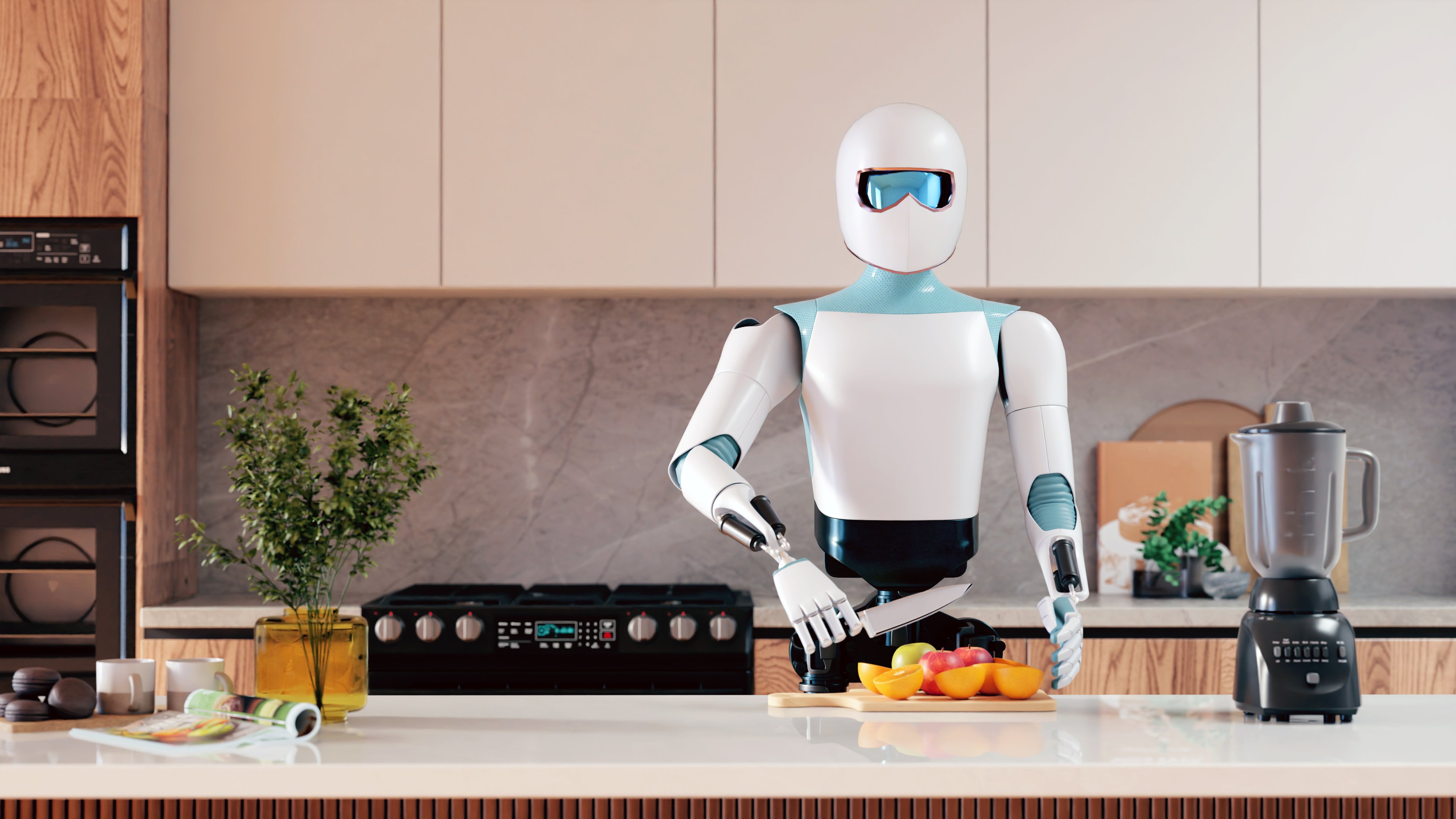
Image source: Getty Images.
A wake-up call on humanoid robots
Tesla’s recent earnings announcement hasn’t been great for the stock. While there are both positives and negatives, one of the major disappointments is about its humanoid business, also known as Optimus.
Elon Musk said, “I really want to emphasize here that the production scaling challenge is very substantial.” He went even further, calling it “the hardest product to scale manufacturing that we’ve ever made at Tesla.”
And then the final blow, “So, I just want to make sure to calibrate people correctly. Optimus will follow the sort of normal S-curve of manufacturing of a manufacturing ramp, but the initial portion of the S-curve will be quite flat and long…”
Those aren’t the words of someone expecting an overnight transformation. Instead, they highlight something investors often overlook: building revolutionary technology is only half the battle. Turning it into a profitable global business is much harder.
In the case of Optimus, building one robot may be easy. Building millions isn’t. When people watch videos of Optimus walking, carrying objects, or performing simple tasks, it’s easy to assume commercial success is just around the corner.
But that’s not how manufacturing works. Building one impressive prototype is an engineering achievement. Building millions of reliable, affordable robots that consumers and businesses actually want to buy is an entirely different challenge.
That’s exactly what Musk was referring to. Unlike Tesla’s electric vehicles, Optimus relies on many newly designed components with supply chains that barely exist today. Tesla isn’t simply assembling a new product — it is helping build an entirely new manufacturing ecosystem.
That’s why it is going to take time — likely years, not quarters.

Today’s Change
(-1.43%) $-4.47
Current Price
$308.56
Key Data Points
Market Cap
Day’s Range
$304.31 – $317.00
52wk Range
$297.82 – $498.83
Volume
12K
Avg Vol
48.1M
Gross Margin
18.85%
Robotaxis face a similar challenge
The same logic applies to Robotaxis. Tesla has made encouraging progress and is now live in seven major metros. In these cities, Tesla continues to test its autonomous driving capabilities and gather real-world driving data.
But demonstrating the technology in selected locations is very different from operating millions of driverless rides safely across hundreds of cities. That requires more than great software. It requires regulatory approval, public trust, insurance frameworks, operational support, and an economic business model that scales. Each of those hurdles takes time.
Moreover, Tesla has been very careful to ensure there are no accidents in these pilots, which is vital for long-term regulatory approval. So even if the company wants to go faster, it can’t.
In other words, it will take a while before Tesla rolls out a pilot in all major U.S. cities, let alone scales the business to millions of vehicles.
Why patient investors may still win
While most investors are not excited about the recent announcement, it is important to highlight that this does not mean Tesla’s long-term opportunity has diminished.
In fact, the company may be positioned better than almost any other to commercialize autonomous driving and humanoid robotics.
Tesla already operates millions of connected vehicles, collecting real-world driving data. Also, it designs much of its hardware, software, and AI systems. Few companies possess that combination of assets, giving them an edge in bringing world-class products and potentially building hugely profitable businesses.
Still, investors should also recognize that the path from breakthrough technology to commercial success is rarely linear. There will likely be setbacks, delays, and periods where spending grows faster than profits.
That’s simply the price of attempting something few companies achieved.
What does it mean for investors?
Tesla’s latest earnings weren’t a warning that Robotaxis or Optimus won’t happen. They were a reminder that even Elon Musk recognizes how difficult the next phase will be.
Inventing revolutionary products is extraordinarily difficult. Scaling them into affordable, reliable, and profitable businesses is even harder.
Tesla may eventually transform transportation and robotics. But if Musk’s latest comments are any indication, investors should prepare for a marathon — not a sprint.