Chevy’s 2027 Corvette Grand Sport X Is A Budget Beast (Just Skip This One Option)
Ever since the eighth generation of Chevrolet Corvette switched to a mid-engined layout, the nonstop onslaught of ever more powerful variants keeps on a-coming. First the track-focused Z06, then the hybridized E-Ray with all-wheel-drive traction, then the ZR1 scorcher that bolted on a pair of twin-turbos and eclipsed the four-figure horsepower mark. Finally, the ZR1X landed as a legit hypercar killer at (relative) budget basement prices.
But Chevy never forgot the base C8, either, and for 2027 a bigger and badder V8 arrives to the lineup as well. Now displacing 6.7 liters, up from 6.2 for the original Stingray, the beefy V8 pumps out 535 horsepower and 520 lb-ft of torque, up from 490 horsepower and 465 lb-ft (or 495 and 470 respectively with an optional factory exhaust setup). Of course, that powerplant needs to proliferate through the lineup, so the engine announcement came alongside the debut of a highly anticipated Grand Sport model, along with the hybridized Grand Sport X that drops any E-Ray references.
 Michael Teo Van Runkle/SlashGear
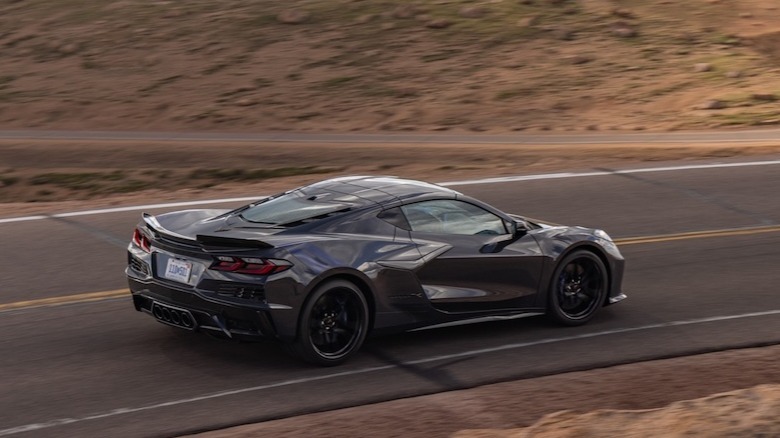
While most Grand Sport reviews dropped last week, ahead of the official embargo Chevy loaned me the very first production Grand Sport X—quite literally bearing VIN number 001—to drive around at the Pikes Peak International Hill Climb in June. And even if I sorely missed all 1,250 horsepower of the ZR1X that absolutely demolished the production car record at Pikes Peak this year, the new C8 certainly proved capable on the high elevations of Colorado.
New engine, new me
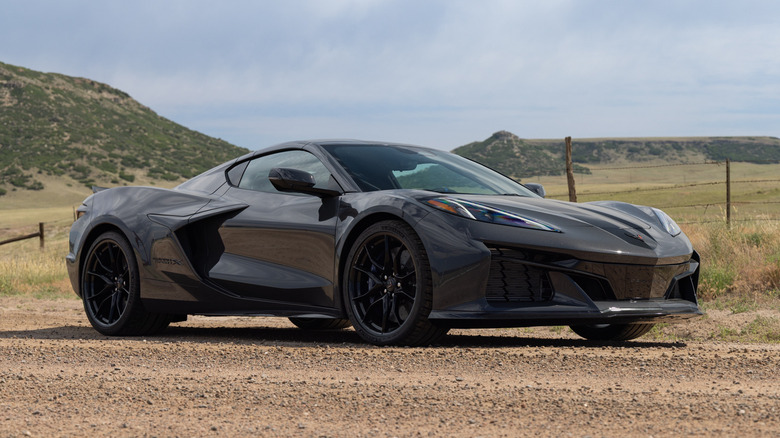
The fact that VIN # 001 even hit the media fleet bedevils comprehension, since almost every first ‘Vette over the past few decades went to auction and raised seven figures for charity. And I must also note an asterisk next to the incomprehensible nature of that ZR1X’s Pikes Peak time: the official production record remains in the hands of a 992-generation Porsche 911 Turbo S because the hillclimb’s organization separates hybrids from internal-combustion engines.
But would I prefer a hybrid Grand Sport X versus a Grand Sport with the naturally aspirated ICE alone? A few days in Colorado proved the pros and cons of each, though not quite beyond a reasonable doubt.
 Michael Teo Van Runkle/SlashGear
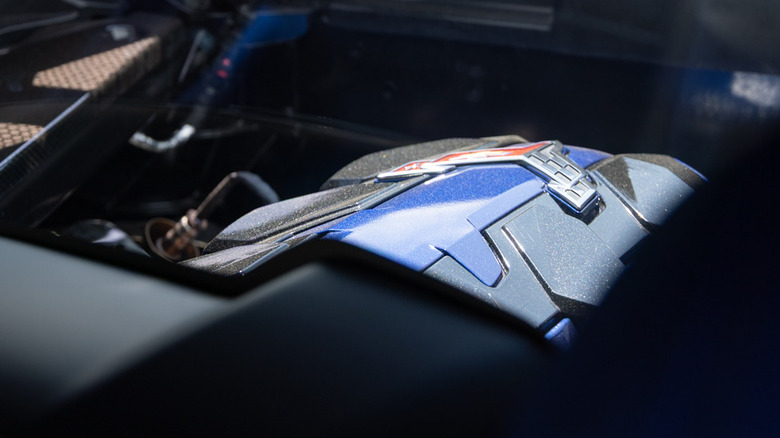
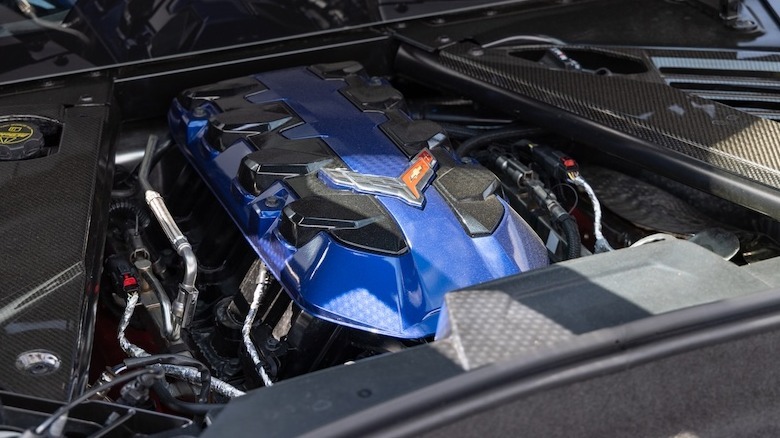
To stretch both the torque curve and peak output of the new LS6, Chevrolet increased the V8’s stroke from 92 to 100 millimeters, resulting in the highest compression ratio of any Corvette V8 ever. The deeper wellspring of grunt from the engine stands out immediately, from the deep bass of every cold start, but the Grand Sport package almost focuses more on the usual host of performance upgrades borrowed from higher-spec models. That means carbon-ceramic brakes, MagneRide suspension, more aero, and a widebody package that all trickle down from the Z06, ZR1, and ZR1X.
All I ever wanted was a gray GSX
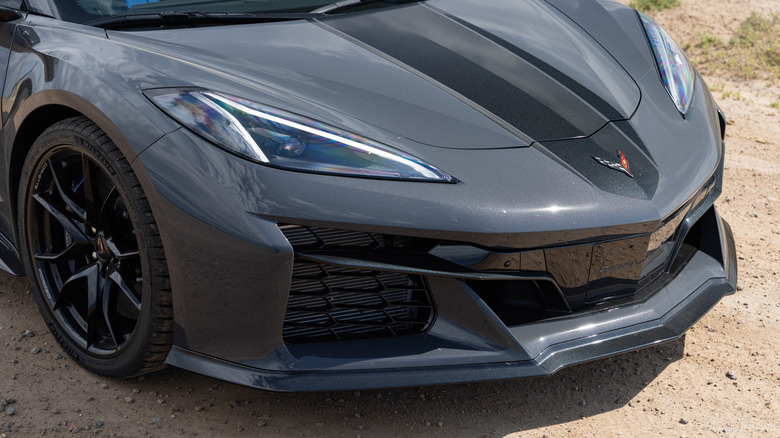
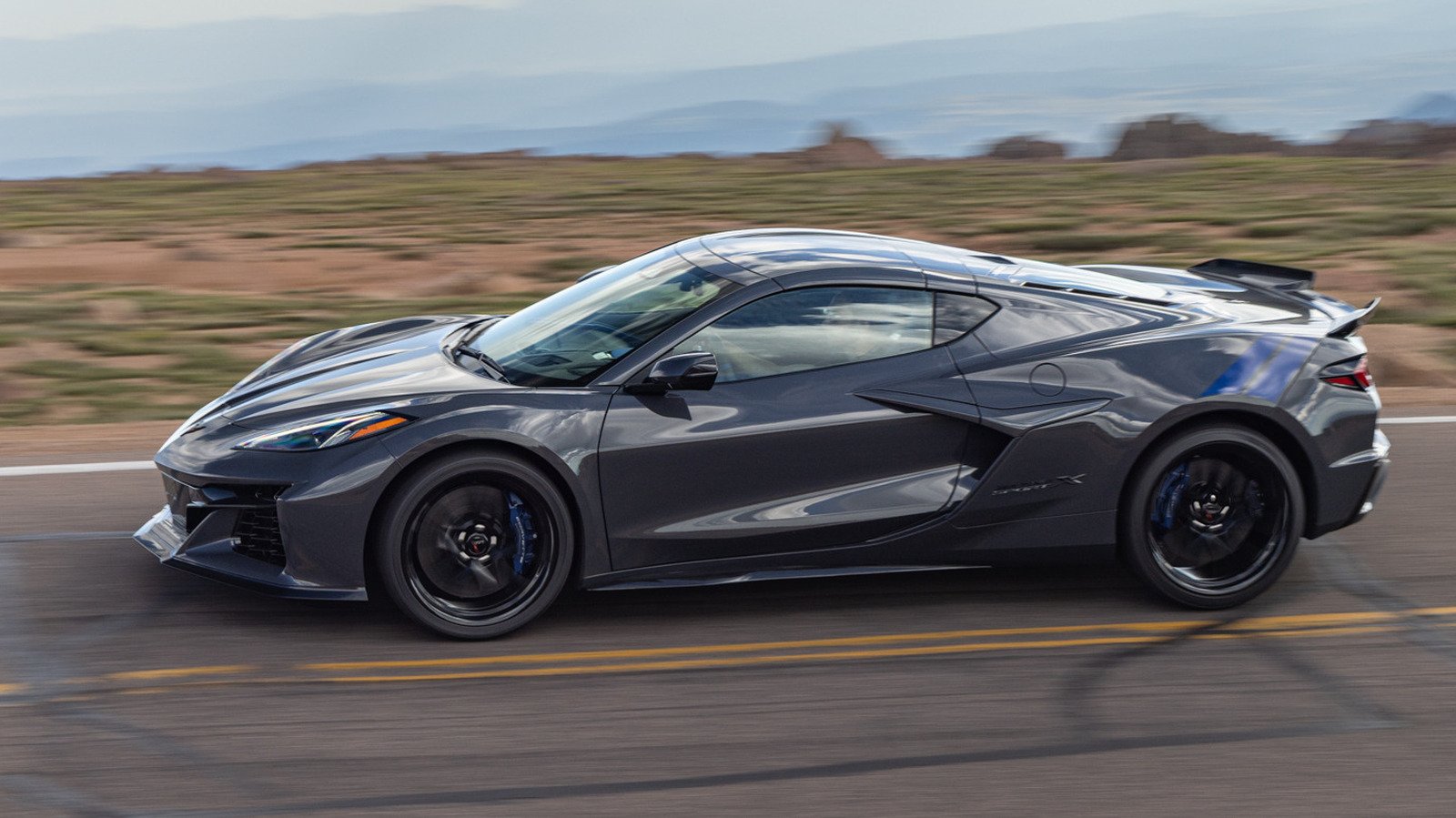
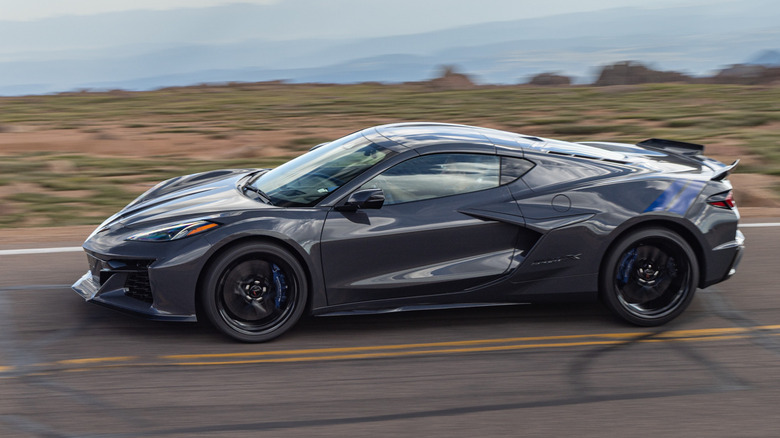
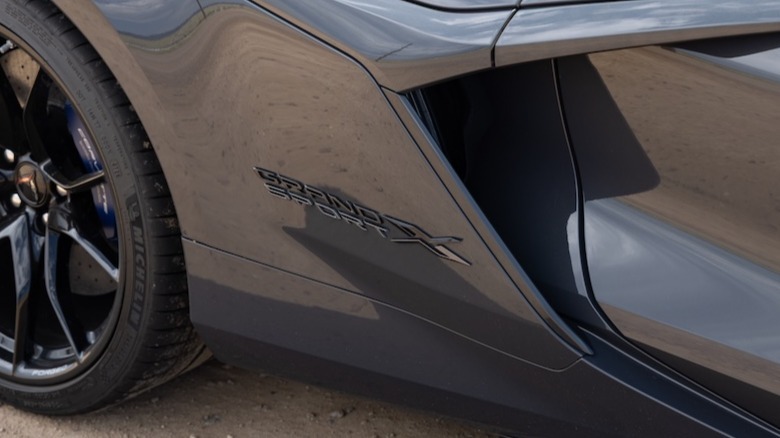
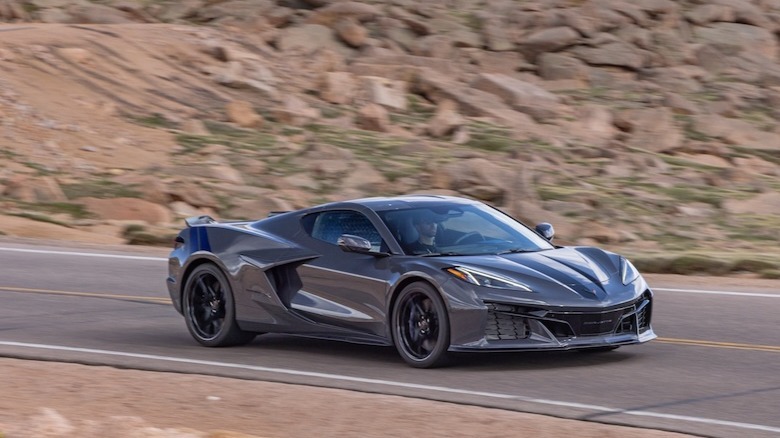
In the case of VIN 001, the color scheme of dark gray with black racing stripes plus blue decals on the angular rear haunches serves the widebody C8 shape far less than a quintessential Grand Sport’s Admiral Blue paintjob. And even though I tend to prefer most cars in a boring silver, I can admit that Competition Yellow also looks pretty solid on the ZR1. At least my loaner wore the low aero drag wing at the back, rather than a massive carbon-fiber unit that almost completely blocks access to the rear trunk compartment.
 Michael Teo Van Runkle/SlashGear
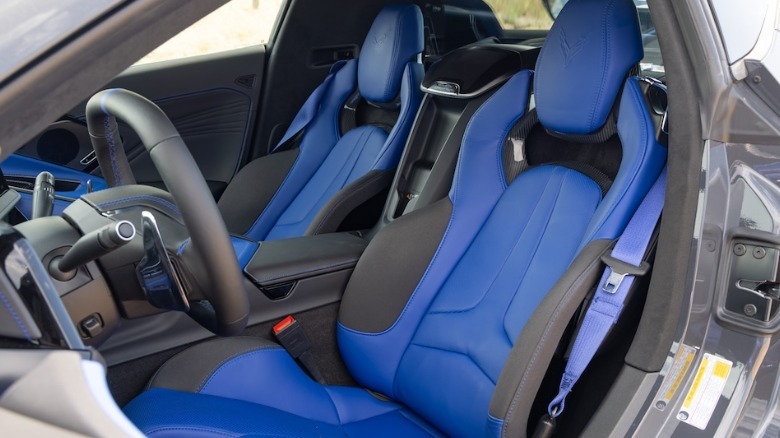
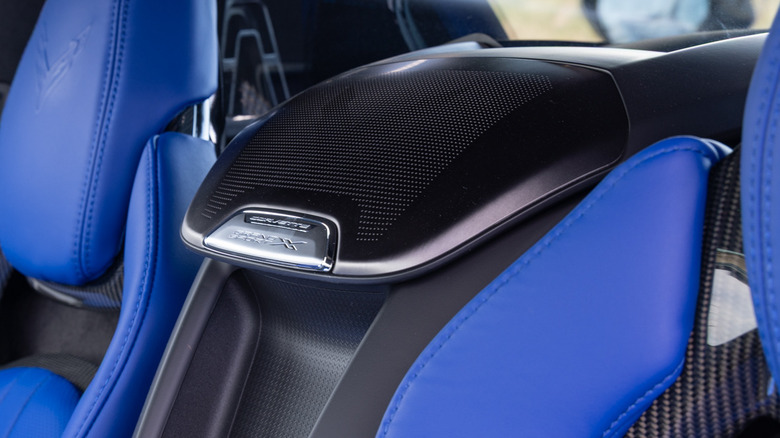
On the inside, the 2026 center console and touchscreen redesign helps a ton with ergonomics, but the Grand Sport X still lacks the premium textures of a ZR1 or ZR1X. Especially the seats, with cheap cloth bolsters that contrast starkly with the carbon of the seatbacks. And I cannot fail to report that these seats, a $595 option on the window sticker for Competition Sport Bucket Seats, are the single most uncomfortable design of any car seat I’ve ever had the displeasure of sitting in or on.
 Michael Teo Van Runkle/SlashGear
So bad, in fact, that I forced multiple friends of all shapes and sizes to try them out on purpose—and nobody felt happy. The rigid bolsters push in at all the wrong places, too tight where it doesn’t count and yet also not sufficient to hold the driver or passenger’s body in place either. Luckily, optioning anything else can solve the problem, a weird problem indeed given that the ZR1 and ZR1X have more aggressive bolstering that’s simultaneously more comfortable.
Hybrid all-wheel-drive hypercar hunter
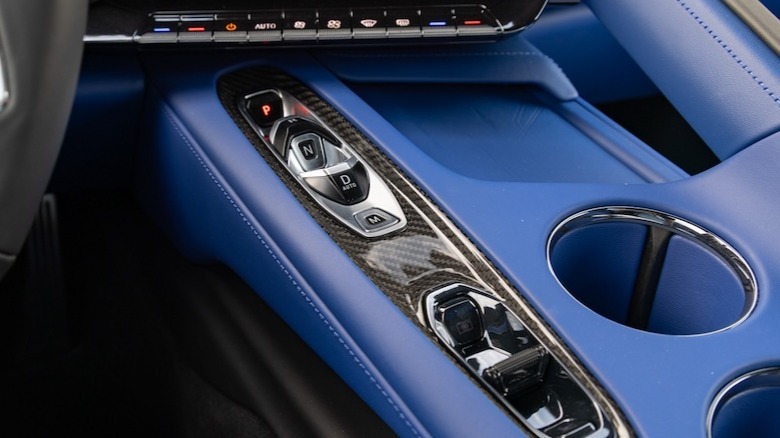
Moving on to a more critical, yet still optional detail: that X. Notably, the Grand Sport borrows nomenclature from the ZR1X rather than the E-Ray. Which makes sense in the newly broadened lineup, but also because the updated hybrid system for both improves noticeably upon the E-Ray’s unfortunate powertrain integration software.
 Michael Teo Van Runkle/SlashGear
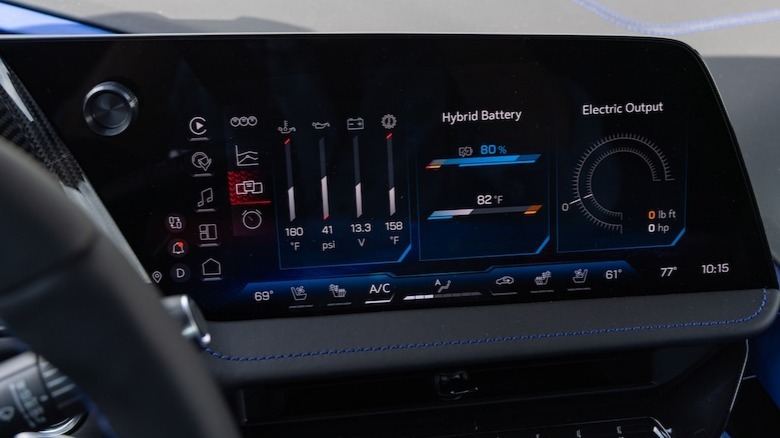
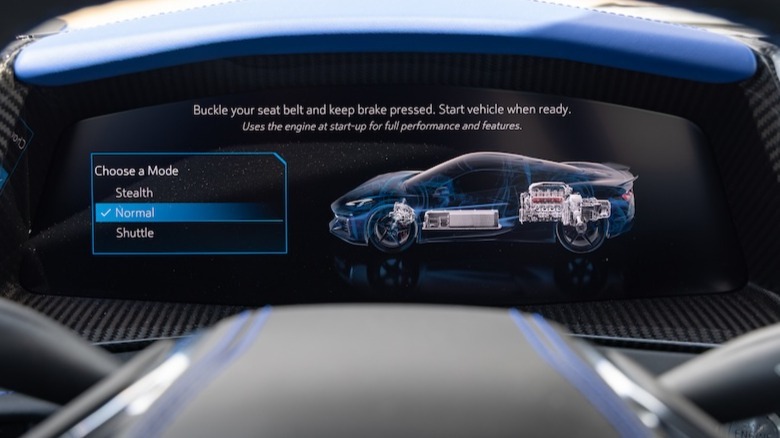
The same single 145 lb-ft electric motor with 1.9-kWh lithium-ion battery powers both the ZR1X and GSX, with the same eight-speed dual-clutch transaxle hanging off the back of the new V8. A lack of physical connection between the e-motor and ICE components clearly challenged Chevy’s engineers at first, but now three years later, the system runs much more smoothly.
 Michael Teo Van Runkle/SlashGear
However, I noticed the GSX actually lurched slightly more than the ZR1X during the course of normal driving, as if the two calibrations might be actually one and the twin-turbo V8 put out even more prodigious torque to overcome any electric stumbles. Pushing harder seemed to sync up the tires better, and I do not doubt at all Chevy’s claimed 0-60 time of 2.4 seconds, nor the 10.4-second quarter-mile and 131-mph trap speed.
Mid-engined balance goes a long way
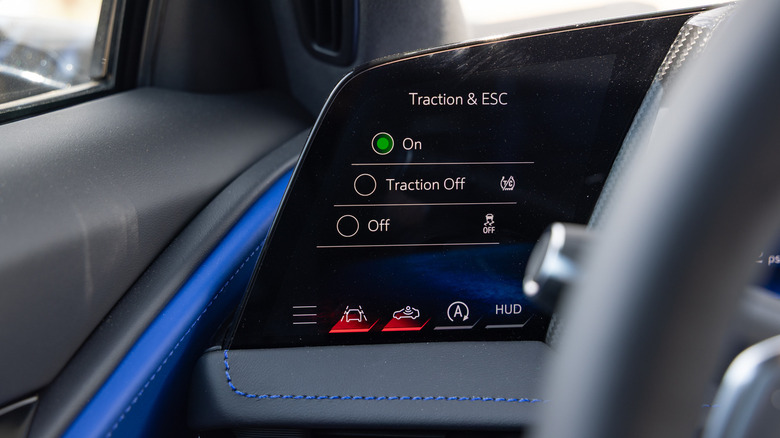
The long and straight roads between Colorado Springs and Denver never afforded me a chance to try out the 186-mph top speed (conveniently 300 kilometers per hour, for those who care about metric measurements). On those easy highway segments, I actually struggled to keep from eclipsing triple-digit speeds without paying attention, since the adaptive cruise control never worked once. But I still took a few minutes to play with launch control and rip off a few hard-charging four-wheel burnouts with both the TC and ESC fully turned off.
Then, once up into the mountains, the C8’s inherent dynamics came into play. Punchy straightline power matters, without argument, but the magic of the mid-engined layout allows for a surprising level of nimbleness in something so wide. GM’s supple yet stiff tuning for MagneRide helps the suspension work with a claimed 3,80-pound curb weight. And even the electric steering and brake-by-wire deliver surprising fidelity, especially when dialed in for Sport mode.
 Michael Teo Van Runkle/SlashGear
Regenerative braking no longer caused strange battles with the steering wheel, as on the E-Ray, and as a somewhat hilarious aside, helped me keep the brakes cool while descending Pikes Peak where park rangers check rotor temps with a laser gun to prevent amateurs from boiling any DOT fluid.
Deciding between Grand Sport and GSX?
My few days in Colorado included zero track time that might cause a bit more concern about added weight for the brakes, but if the carbon-ceramics can handle (pun intended) the ZR1X at full gas, then the Grand Sport X should stop just fine. And in fairness, this is definitely not the C8 variant for true track work—the Z06 and ZR1 clearly occupy those roles in the lineup.
That might not have been the case if rumors and innuendo online had proven true with the addition of a stick shift and clutch pedal, an unfortunate decision from Chevy despite the fact that Tremec has very publicly confirmed the development of a six-speed manual transaxle that will fit the C8 (as well as the Mustang GTD).
 Michael Teo Van Runkle/SlashGear
But does tacking the X onto Grand Sport make a difference? I’d need to drive both back-to-back, naturally, but I suspect with the go-fast goodies and the newly beefcaked LS6, the non-hybrid might wind up as something of a Goldilocks. The X then adds that bit more low-end punch, fuel economy (still not great), and all-year all-weather confidence. Plus, the nifty Stealth and Shuttle modes accessible by toggling the drive mode switch with the ICE powertrain off allows for quieter starts to keep the neighbors happy, as well as less 91-octane burned while moving the car around the driveway or garage.
2027 Chevrolet Corvette Grand Sport X verdict
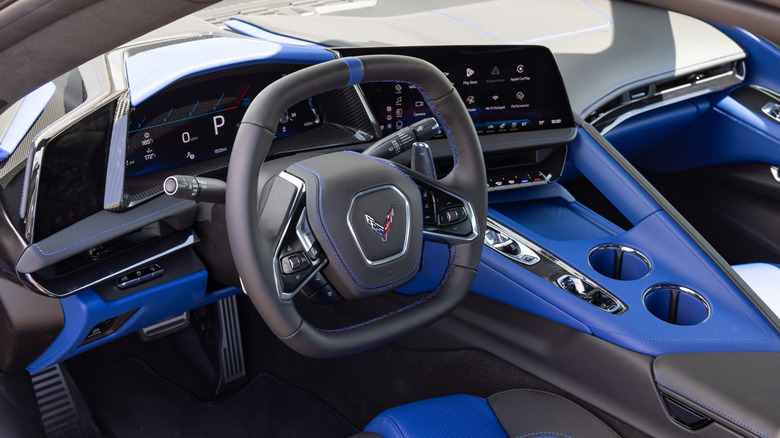
Obviously, on my own Grand Sport or GSX, I want a less gaudy interior without those terrible seats. But in terms of pricing, the “base” Grand Sport starts at nearly $50,000 less than my absolutely loaded GSX that totaled up to an egregious $140,080. That kind of money can buy a Z06 with $20,000 in options… and ticks up disconcertingly near to a poverty spec ZR1 at more like $185,000.
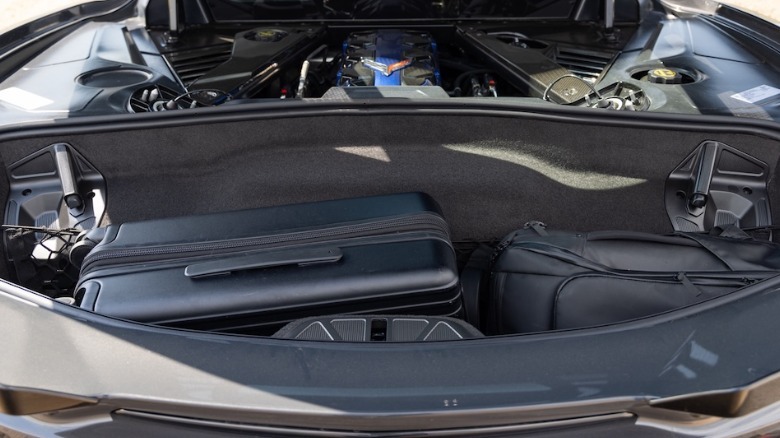
Even if the C8’s window stickers inflated sharply after the original Stingray started below $60,000 back in 2020, comparisons to anything remotely close in raw performance terms still don’t make much sense. The GSX firmly sits in supercar territory, and yet also serves quite easily as a happy daily driver (with a frunk, unlike the ZR1 or ZR1X!).
 Michael Teo Van Runkle/SlashGear
Then again, in my imaginary supercar lifestyle, I actually want a bit more pizzazz or a more hardcore and dramatic character. Hence the appeal of that Z06 at even money to the GSX. Being almost too benign and livable might be a pro, but it’s also a con. After driving almost every C8 variant other than the non-hybrid Grand Sport, I struggle to argue against simply buying whichever model absolutely maxes out budgetary constraints. They’re all that good. But the new GSX seems to cater mostly to that semi-unironic jorts and New Balances crowd that Chevy still needs to rely on to move units. Even if, in raw performance terms, this hybrid AWD supercar can outsprint an original Bugatti Veyron at quite literally one-twentieth the price.