This Week in Science: Dyson Spheres, Hidden Amazon Structures, And More : ScienceAlert
This Week in Science: Creatine’s effect on cancer, a dinosaur-era ‘turducken’, and much more!
First up: JWST has closely examined two stars that were promising candidates for alien ‘megastructures’. In bad news for E.T. hopefuls, however, it turns out both signals are caused by rare alignments.
Also this week:
Read on below, and make sure you also check out our TWIS video!
JWST Just Examined Two Stars Suspected of Harboring Dyson Spheres. Here’s What It Found…

Somewhere in the Universe, an alien culture may have developed the technology to build giant megastructures around stars, harnessing their energy on an unimaginable scale.
First proposed in 1960 by theoretical physicist Freeman Dyson, the Dyson sphere has become one of the most enduring symbols of the search for extraterrestrial intelligence.
This is because such structures should change starlight in ways we can detect from Earth – telltale technosignatures that could finally reveal an advanced alien civilization.
Now, astronomers have used the JWST’s golden infrared eye to put two of the strongest Dyson sphere candidates to the test.
Read the full story here.
A Common Gym Supplement May Give Cancer-Fighting Cells an Energy Boost

While it’s also produced naturally by the body, creatine is perhaps best known as a ‘muscle supplement’: It helps boost supplies of the adenosine triphosphate (ATP) energy source that all cells need.
But could it have major additional health benefits?
A new study, from a team at the University of California, Los Angeles, and published in iScience, builds on previous work showing how creatine can fuel more effective attacks from killer T cells against cancer – the body’s frontline defense soldiers.
The latest discovery is that creatine can also act as a backup battery for dendritic cells, the support workers behind the T cells that direct them into the fray.
Read the full story here.
Epic ‘Turducken’ Fossil Reveals Ancient Sea Monsters Devouring Each Other
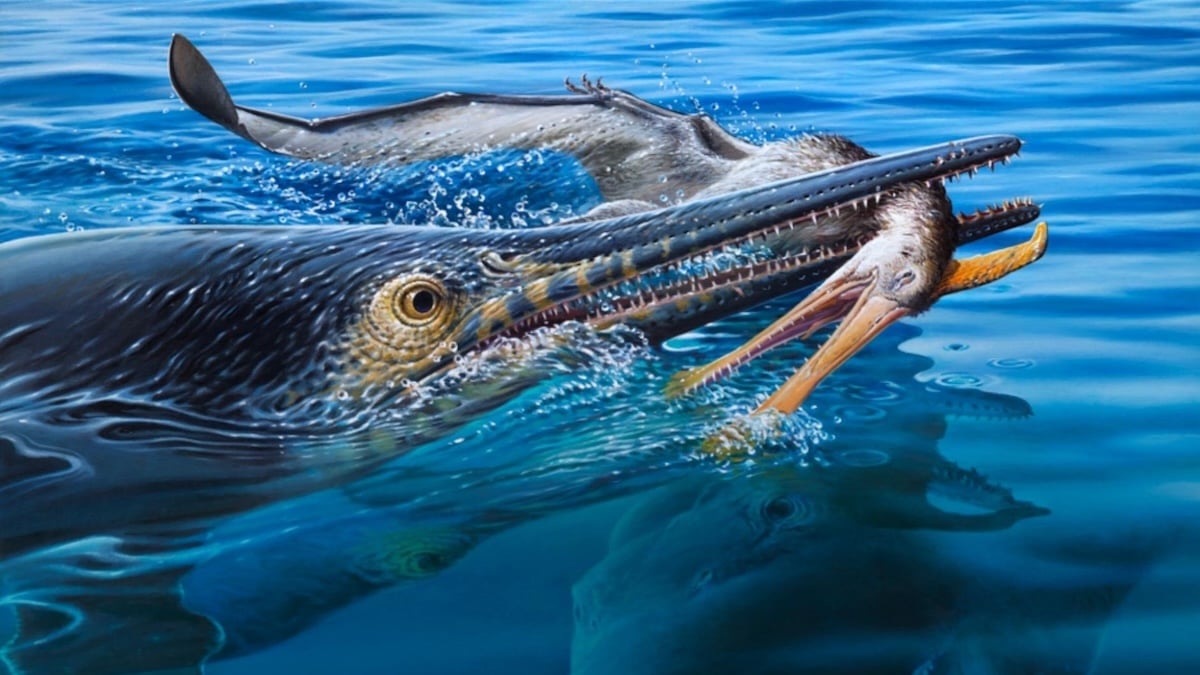
Making a turducken – stuffing a chicken inside a duck, then stuffing that inside a turkey – seems like a recent Thanksgiving tradition, but paleontologists in Australia may have found the dinosaur-era equivalent.
In this case, the ‘chicken’ is a hapless flying reptile that swooped too close to the ocean and was eaten by a marine predator. That meal may have been its last, though, because it was soon gobbled up by an even bigger sea monster.

This incredible moment in time has been frozen in the fossil record for over 100 million years, providing a rare glimpse of the ancient food web in action, and marking the first evidence that pterosaurs were on the menu for this kind of marine reptile.
“It’s one of the clearest examples ever discovered of a three-tier predator interaction and offers an unprecedented snapshot of behavior in Australia’s Cretaceous seas,” says Dean Lomax, a paleontologist at the University of Manchester in the UK, who was not directly involved in the study.
Read the full story here.
‘Completely Transformed My Understanding’: Scientists Uncover Hundreds of Hidden Structures Beneath The Amazon
Today, the Amazon rainforest is revered as one of Earth’s most immaculate wildernesses.
Nearly 2,000 years ago, it looked very different.
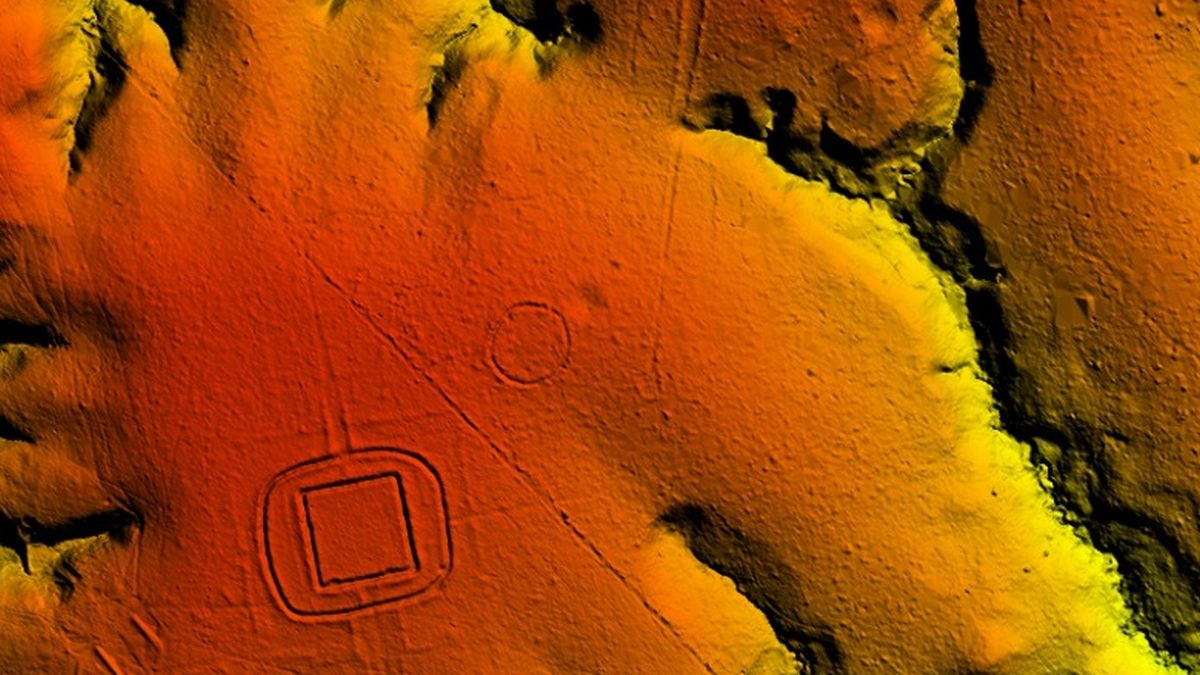
Between around 600 BCE and 850 CE, a civilization known as the Aquiry transformed swaths of southwestern Amazonia, carving enigmatic geometric earthworks into the landscape.
Now, a new LIDAR survey suggests that civilization was even larger than archaeologists imagined, hinting at a people that built as many as 30,000 earthworks and had a peak population of up to 3 million people around 200 CE.
Read the full story here.
Scientists Reveal The Simple Change That Could Save Millions of Insects
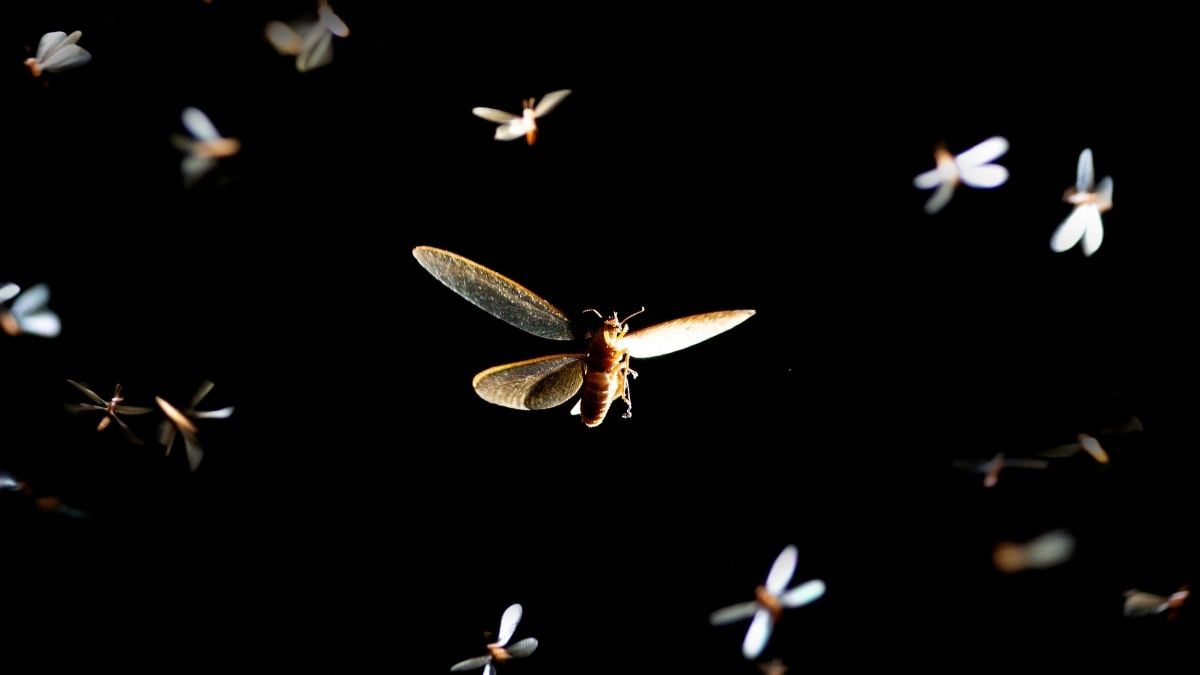
More than 60 percent of invertebrates are nocturnal, so any artificial light within their habitat is going to affect them during their most active hours.
It’s a widespread problem: all around the world, vivid sodium and LED lights cast our surroundings in permanent light, mainly in the name of human safety, along roads, footpaths, railways, shopping strips, and almost anywhere else in the built environment.
But according to a team led by researchers at the Leibniz Institute for the Analysis of Biodiversity Change in Germany, there might be a simple way to keep insects a little safer, without compromising human needs.
Read the full story here.
Scientists Searching 6,000 Drugs For Anti-Aging Properties Found One Hiding in Plain Sight

In the quest to find ways to help us live at a healthier level for a longer period of time, researchers are turning to existing drugs for clues.
To try and narrow down the search, a team from Northeastern University and Harvard Medical School has come up with a new framework for identifying promising candidates.
Their framework, described in a new study in Nature Aging, works by matching drugs to clusters of genes and proteins that are connected to hallmarks of aging: those changes in the body that build up over time, like cells having less energy to work with.
One of the drug candidates identified by this new process is oxymetazoline. It’s available over the counter as a nasal spray for congestion (branded as Afrin or Sinex), as eye drops for eye redness, or as a topical cream for facial redness caused by rosacea.
Read the full story here.
frameborder=”0″ allow=”accelerometer; autoplay; clipboard-write; encrypted-media; gyroscope; picture-in-picture; web-share” referrerpolicy=”strict-origin-when-cross-origin” allowfullscreen>
Watch the video above for a recap of the top stories from this week!