NA Panel Flags Missing E-Motorcycle Regulator and Battery Policy
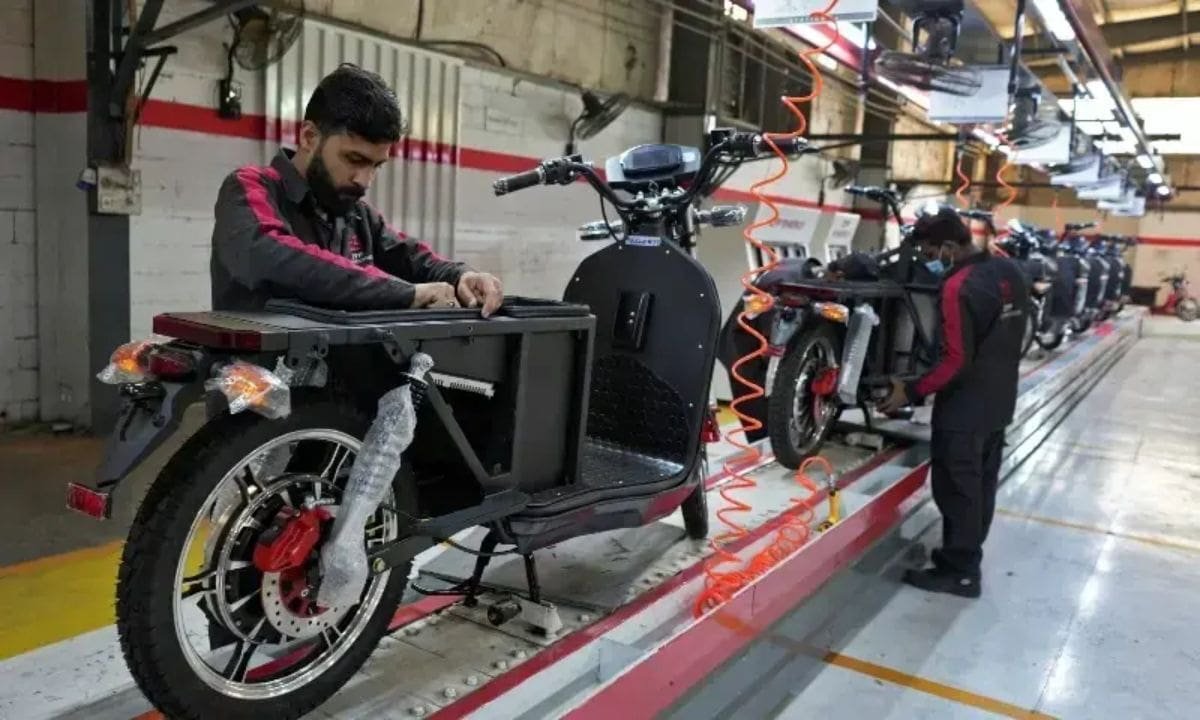
Pakistan lacks a dedicated regulator for electric motorcycles and has yet to introduce a comprehensive lithium battery policy, officials informed a sub-committee of the National Assembly Standing Committee on Industries on Monday, highlighting regulatory gaps that have enabled the sale of substandard batteries.
The committee was told that responsibility for regulating the electric motorcycle sector is divided among multiple ministries and departments.
Manufacturing licences are issued by the Engineering Development Board (EDB) under the Ministry of Industries and Production, while vehicle and battery standards are certified by the Pakistan Standards and Quality Control Authority (PSQCA) under the Ministry of Science and Technology.
Charging infrastructure is overseen by the National Energy Efficiency and Conservation Authority (NEECA) under the Ministry of Energy.
Officials said almost all lithium-ion batteries used in electric motorcycles are imported. They added that used batteries often enter Pakistan as scrap, placing their import under the jurisdiction of the Customs Department and the Ministry of Commerce. A PSQCA representative said provincial authorities are responsible for regulating electric motorcycles once they are on the road.
Sub-committee convener Dr Mehreen Bhutto raised concerns over the fragmented regulatory framework, saying the absence of effective oversight has allowed some manufacturers to use low-quality batteries that fail within two to three years. She said replacing such batteries can cost up to Rs90,000.
Dr Muhammad Amjad, representing electric motorcycle manufacturers, told the committee that EDB manufacturing licences do not require companies to use lithium-ion batteries, allowing some manufacturers to install lower-cost lead-acid dry batteries instead.
He said high import duties on lithium-ion batteries have contributed to the growth of a grey market, where unlicensed operators refurbish imported scrap battery cells and sell them without regulation.
Manufacturer Shahid Bajwa said the industry lacks a mechanism to promote localisation of components and manufacturing. He also questioned whether any forum exists to report illegal battery manufacturers.
Participants agreed that the PSQCA requires stronger technical capacity and dedicated laboratories to test lithium batteries. Dr Bhutto directed stakeholders to submit formal recommendations to the committee, noting that battery and component failures in electric motorcycles present safety risks that require specific regulatory measures.
EDB Chief Executive Officer Hammad Mansoor told the committee that a new battery policy is being finalised and said it would address many of the regulatory issues highlighted during the meeting.