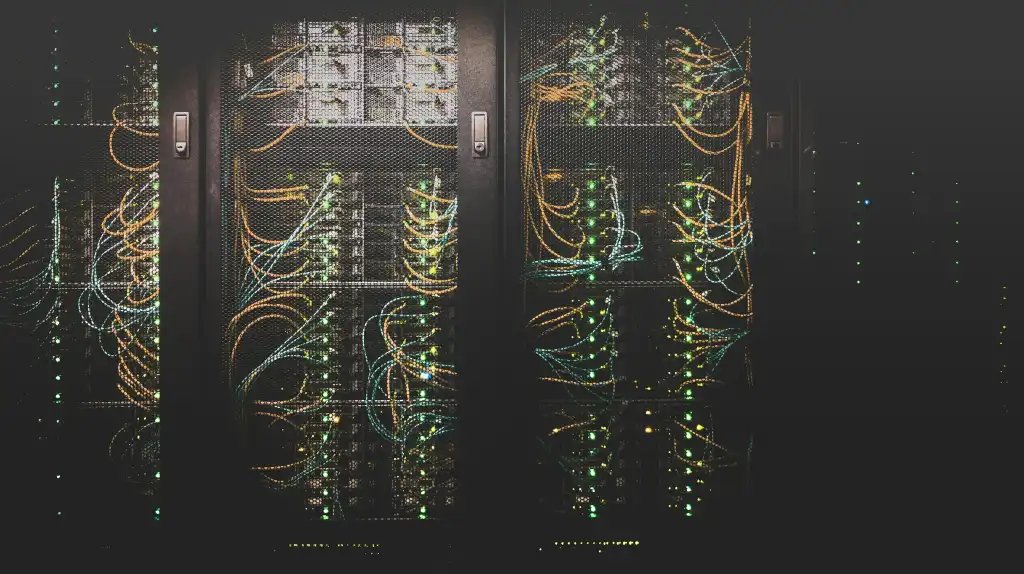
How data centers cope with heat waves
“Heat waves are becoming increasingly intense and frequent. What used to happen once every two years now happens two, three, or four times a year,” Benito says. Speaking from his own experience, he adds: “In Spain, data centers already take these factors into account.” When it comes to redundancy, monitoring, or maintenance, these factors are already factored in. “It’s not like it’s an unforeseen event. It’s already been taken into account, and we build in a lot of redundancy—a wide safety margin,” he says.
The difference compared to central or northern Europe is that some haven’t considered this possibility. Benito points out that the same thing happens with homes. “For many years, they’ve been designing with two assumptions: that they have plenty of water because their climates are humid, and that it never gets hot,” he says. And this is a problem, because their summer temperatures have risen significantly during extreme heat waves. “Temperatures in the UK have gone up by 10 or 15 degrees, and their data centers aren’t prepared for that,” he says. In fact, he shares an anecdote about “a certain hyperscaler that, a few years ago, when its data centers in the United Kingdom went down, held a global conference to figure out how this had happened and draw lessons from it.” The curious thing is that what they learned was something that was already well known in Spain.
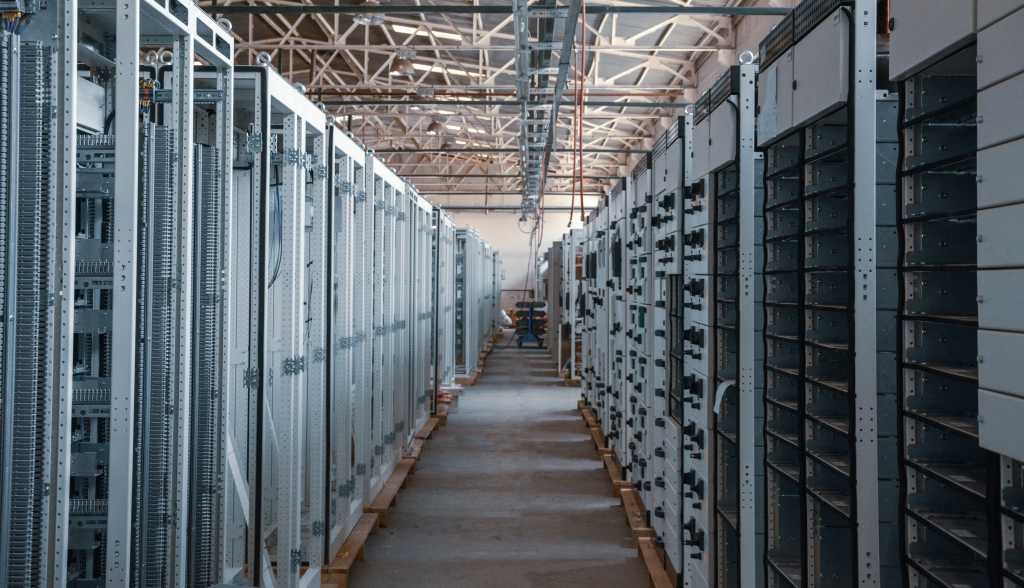
İsmail Enes Ayhan | Unsplash
It was already getting hot in southern Europe, and preparations were needed. Now, temperatures are becoming a topic of conversation outside the region, and climate change has made its way into IT strategy. Benito confirms that, yes, the conversation is more visible in global settings. “For several reasons. The first is because, obviously, it affects operations. Another is the market. Customers also demand that you address this.” Before, the focus was on power capacity and square meters. Now, the expert points out, people are asking where the electricity comes from and whether it’s clean, and they’re demanding emissions guarantees. The sector is making significant investments to become sustainable, he argues.