Chiseled Egyptian princesses knew their way around weapons
Ancient Egyptians famously buried their royalty in ornate funerary complexes alongside prized jewelry, clothing, food, and even pets near the deceased, so that they could take these items with them into the afterlife. Weapons are also commonly discovered in these tombs, but not only next to royal men. In some cases, archaeologists have also found combat implements buried with ancient Egyptian women.
Historians and Egyptologists have debated the significance of these artifacts for decades. Did Egyptian women actually wield these weapons, or were they more symbolic objects? After careful physical analysis of six ancient princesses buried beneath the pyramids at Dahshur, researchers now have an answer. In short, these Egyptian women could fight and hunt with the men.
“Members of the royal family, especially the women, were active participants in skilled, physically demanding activities such as archery and hunting,” Zeinab Hashesh, an archaeologist at Egypt’s Beni-Suef University, said in a statement.Hashesh and her colleagues detailed their findings in a study published today in the journal Frontiers in Environmental Archaeology. Their new paper focuses on a group of mummies previously lost for years. The women were originally excavated during the late 19th century from within the funerary complex at Dahshur, an ancient Egyptian necropolis featuring some of the oldest, largest, and best preserved pyramids in Giza. After rediscovering the mummies during a curation project at the Egyptian Museum in 2020, researchers finally examined them with advanced analysis techniques and equipment.
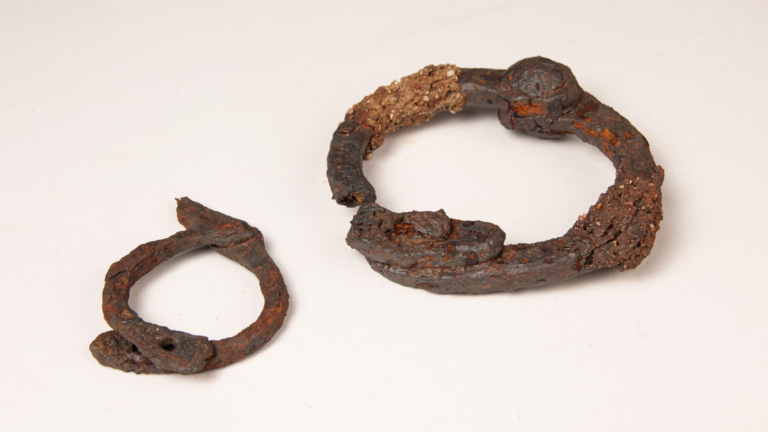
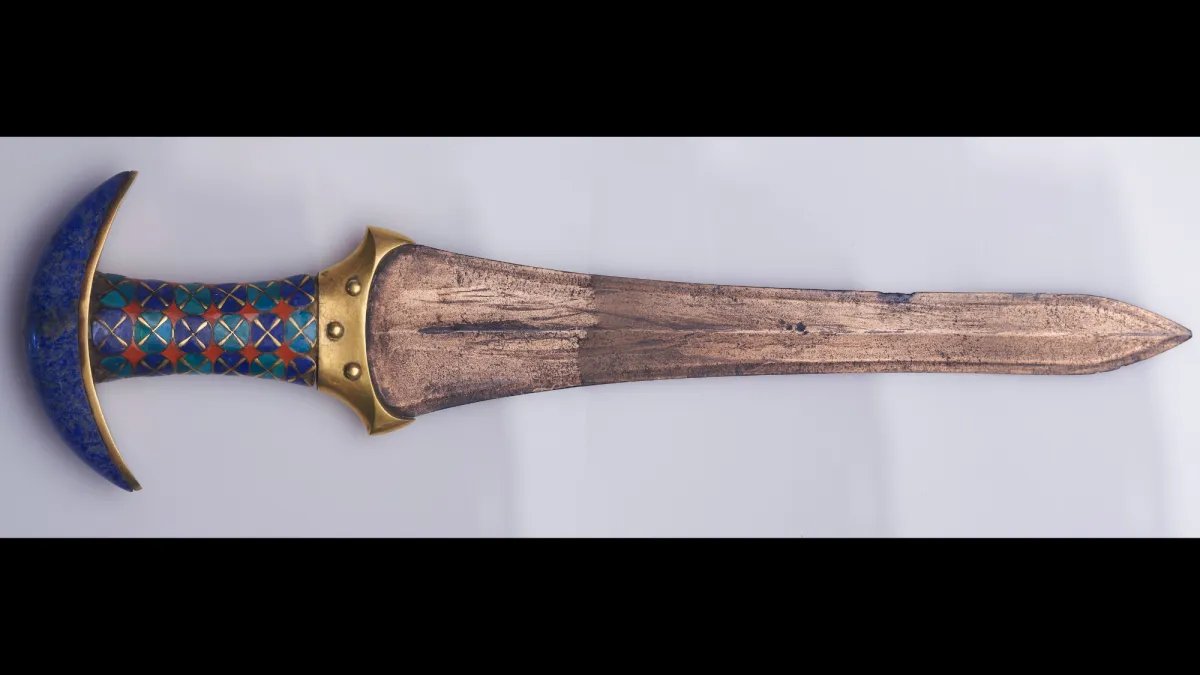
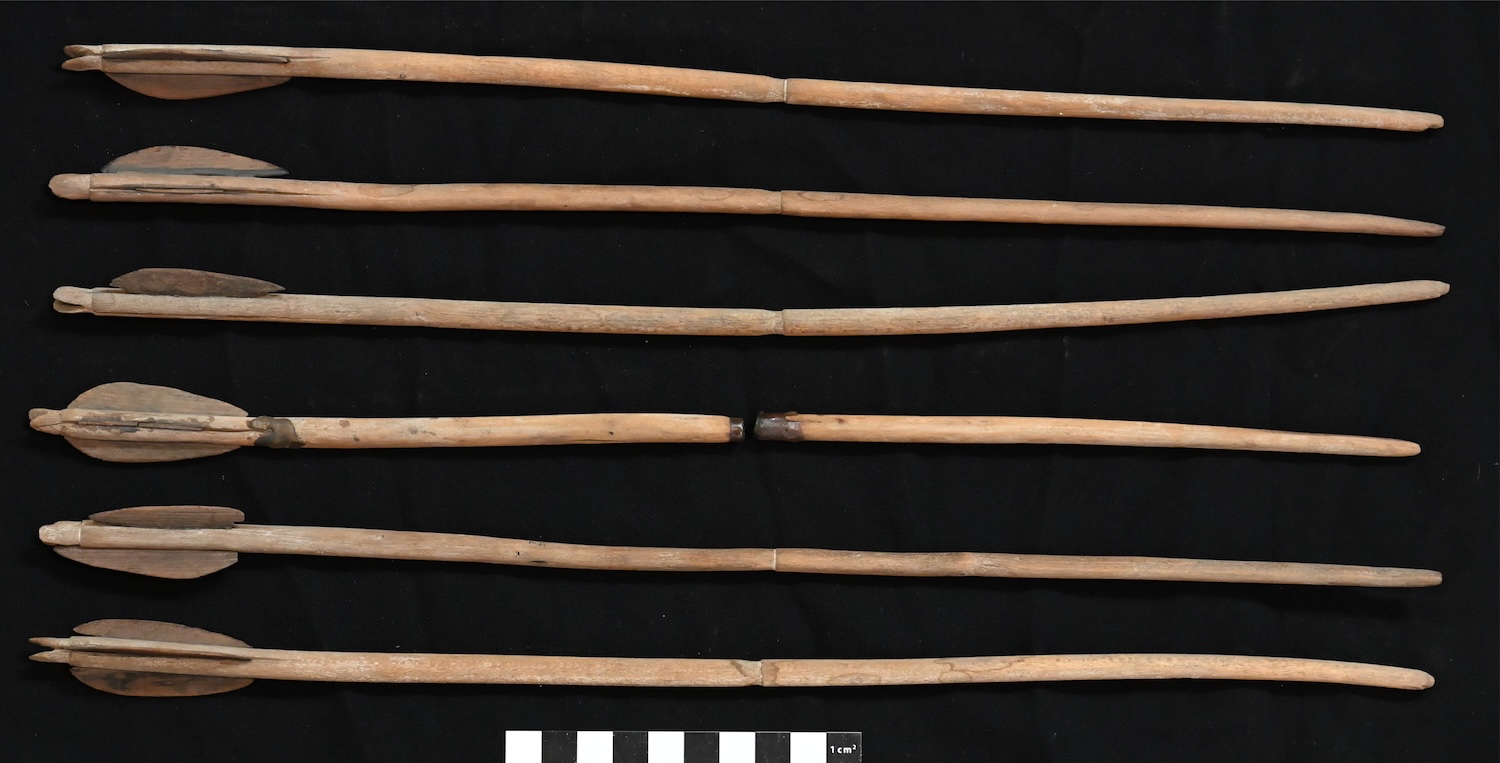
Four of the six women were sisters whose father was the pharaoh Amenemhat II. The third ruler of the 12th dynasty who reigned during Egypt’s Middle Kingdom, little is known about Amenemhat II other than his death around 1895 BCE. Each of the women were buried in matching underground chambers, with the princess Ita followed by Khenmet, Itaweret, and an anonymous woman assumed to be their sister Sathathormeryt. At the time of their excavation during the late 19th century, archaeologists found weapons including bows and arrows that were traditionally associated with men. Princess Ita even possessed an ornate dagger.
Despite their exciting rediscovery, time had taken its toll on the mummies. Their soft tissue powderized ages ago, and some bones are now missing, including all of the princesses’ skulls. Despite this, enough skeletal sections remain in good enough condition so r archaeologists can assess their age, sex, height, and any notable illnesses or injuries. According to Hashesh, it soon became clear that these women hadn’t lived lives of constant idle luxury.
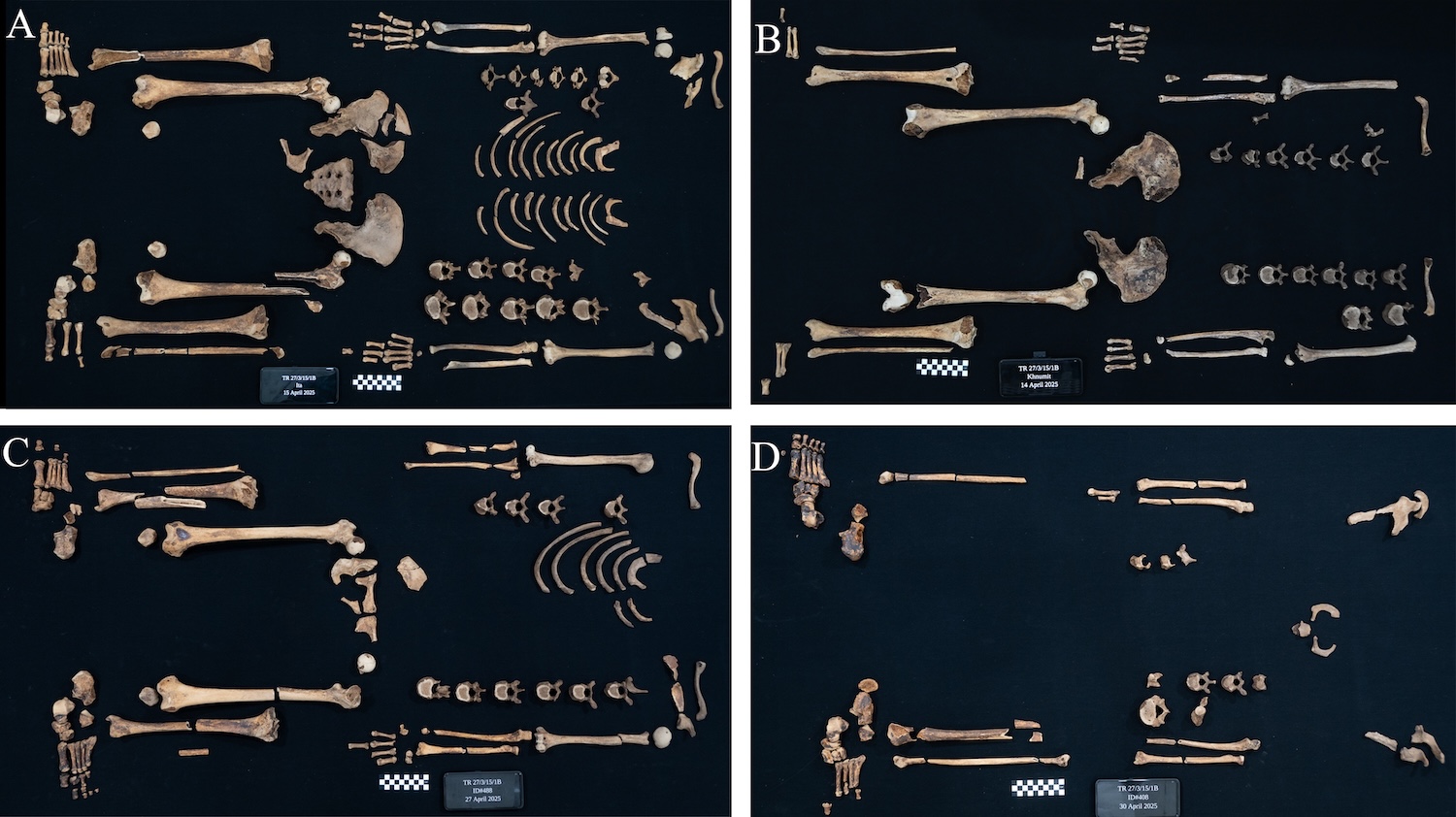
“Princess Ita was a young woman aged between 28 and 34 with strong upper-body muscle attachments, suggesting she habitually used weapons like maces or daggers,” she explained.
Princess Khenmet (who died in her late 30s or 40s) exhibited thinning bones but strong ligament attachments, while her sister Itaweret displayed physical signs of skilled archery before dying sometime between the ages of 20 and 34. The sisters’ collective upper limb development also suggests high-intensity, repetitive actions like holding a heavy weapon or pulling a bowstring.
“This directly explains the presence of bows, arrows, and maces in the women’s tombs,” said Hashesh. “These were not just symbolic gifts, but tools they actively used.”
However, the siblings weren’t necessarily always in top form. Princess Itaweret’s skeleton showed healed fractures to both her ribs and foot, while multiple individuals displayed nutritional deficiencies and infections. The sisters also shared rare spinal conditions, indicating closely related parents and family members.
“What is remarkable is that the injuries healed well, which suggests they had access to advanced medical care for their time,” added Hashesh.
Unfortunately, Hashesh’s team could not conduct additional analysis since the princess’ skulls were missing. Future stable isotope examinations could also better contextualize the family’s nutritional issues. Despite this, the discoveries made by Hashesh’s team prove that the weapons owned by some of ancient Egypt’s royal women weren’t simply ornamental decorations.
“Our dream would be to go far beyond simply identifying the Dahshur royals,” Hashesh said. “We would try to tell their full life stories, their families, health, and even their political roles, with as much detail as possible.”

2025 PopSci Best of What’s New