The Chinese AI models quietly challenging Silicon Valley in 2026
BEIJING, July 16 — Chinese artificial intelligence providers are racing to rival top US firms such as OpenAI and Anthropic despite Washington’s export restrictions on cutting-edge computer hardware.
AFP looks at the companies, big and small, driving China’s AI ambitions:
Legacy players
Tech giants Baidu, Alibaba and Tencent are investing heavily in AI, using existing vast user bases and cloud infrastructure to their advantage.
Baidu, sometimes called China’s Google, has recruited prominent AI researchers and created “Ernie”, one of the first Chinese chatbots.
But its fortunes are still tied to its massive online search and marketing businesses.
Alibaba, the e-commerce behemoth behind shopping platforms like Taobao, is known for its open-source “Qwen” AI models, popular with programmers worldwide because they can be freely customised.
Shenzhen-based tech giant Tencent is often seen as a cautious player, but it has stepped up investment.
Founder Pony Ma recently likened Tencent’s previous AI efforts to a “leaky” ship, adding: “We still hope the ship can sail faster.”
Tencent is now testing an AI agent – a tool that can carry out tasks for users – within its WeChat messaging app, used by more than a billion people.
Beyond TikTok
ByteDance, the company behind TikTok, is increasingly shifting its focus to AI as geopolitical pressure intensifies on its overseas social media business.
It’s going well: Doubao, ByteDance’s AI chatbot, is the most popular of its kind in China, with over 300 million monthly active users. The company recently introduced a paid subscription service to try to turn that popularity into commercial success.
ByteDance also released the latest version of its AI video generator, Seedance 2.5, in June.
The model’s ability to produce cinematic-quality clips has fuelled concerns over copyright infringement and the impact of AI on creative jobs.
China’s AI hero
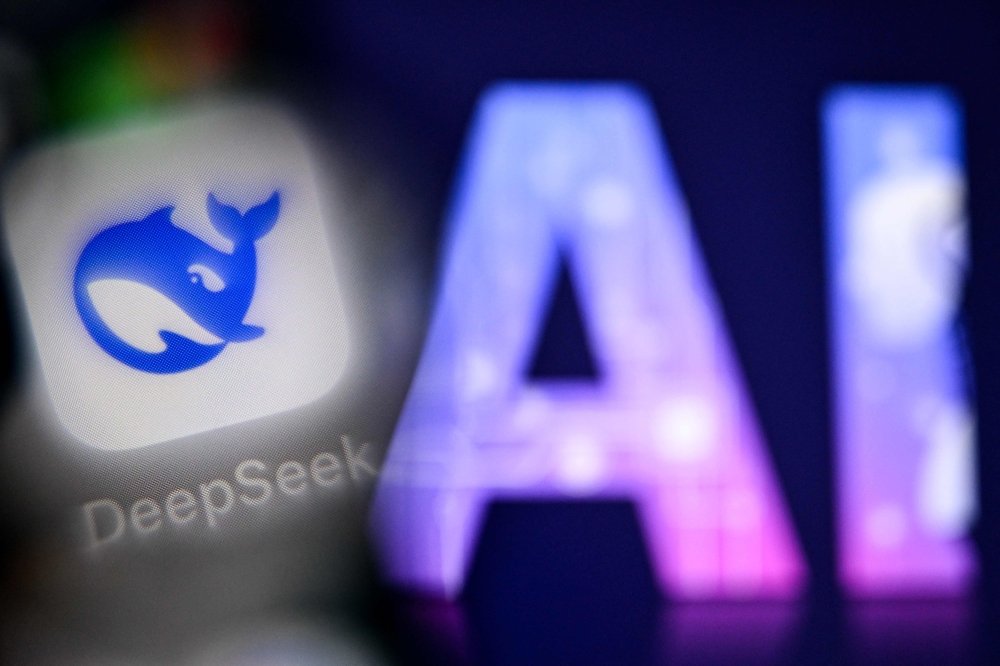
Startup DeepSeek started life in 2023 as a side project of a data-driven hedge fund.
It shook up the global AI scene in January 2025 with a low-cost, high-performance chatbot, challenging assumptions of US dominance in what some called a “Sputnik moment”.
DeepSeek’s open-source approach galvanised the country’s AI industry and accelerated the global diffusion of Chinese models.
The firm released its latest V4 model in April, and has reportedly completed a funding round valuing it at more than US$50 billion.
Startup ‘tigers’
The startups Zhipu AI, MiniMax and Moonshot AI are nicknamed China’s “AI tigers” – challenging legacy tech giants on AI foundation model research.
The performance of Zhipu AI’s “GLM-5.2” model has made waves among overseas programmers seeking alternatives to Anthropic and OpenAI’s products.
White House adviser and venture capitalist Marc Andreessen has said many tech insiders regard GLM-5.2 as “the first Chinese AI model to match and often beat the American big lab public AI models”.
Shanghai-based MiniMax’s products range from AI companions to video-generation tools.
Founder Yan Junjie said in an internal memo this month that the company will “keep going” on its AI ambitions, despite stock market volatility.
Moonshot AI’s Chinese name, Yue Zhi Anmian, pays tribute to Pink Floyd’s album “The Dark Side of the Moon” – reflecting the rock music passion of its co-founder Yang Zhilin.
The company, known for its popular “Kimi” models, has recently completed a US$2 billion funding round and its latest valuation rises to US$31.5 billion, people familiar with the matter told AFP.
Newcomers
Food delivery platform Meituan said in June that its AI model LongCat-2.0 was the first of it size to be trained using domestically developed computer chips.
The announcement marked a milestone in China’s drive to reduce reliance on foreign AI hardware as Washington restricts exports of top-end US chips.
Beijing-based Xiaomi, best known for its smartphones and consumer electronics, has entered the AI foundation model race later than most of its peers.
“Individuals and companies all need to actively embrace this AI era,” founder Lei Jun said in March, announcing that Xiaomi will invest at least US$8.7 billion in AI over the next three years.
Xiaomi’s latest model “Mimo-V2.5” currently ranks second by monthly usage on OpenRouter, a platform that allows users to access multiple AI models. — AFP