Why Foldable Phones Still Haven’t Gone Mainstream
When Samsung unveiled the first Galaxy Fold in 2019, it promised a new era for smartphones. The idea was compelling: a device that could function as both a smartphone and a tablet, giving users a larger screen without sacrificing portability. Foldable phones were expected to redefine mobile computing and eventually replace conventional smartphones.
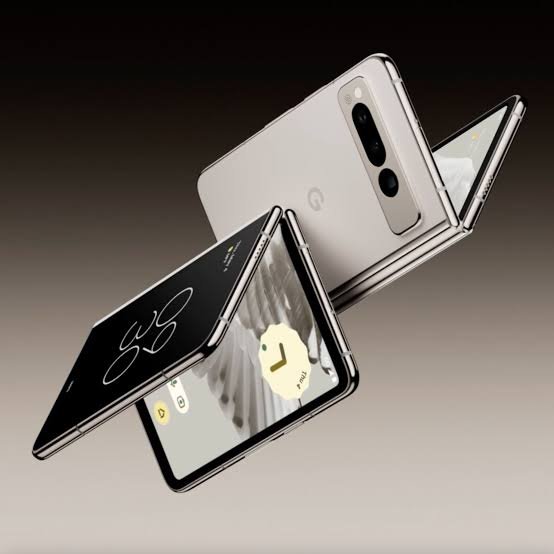
Since then, almost every major Android manufacturer has entered the foldable race. Google launched the Pixel Fold, Huawei continued to push the boundaries of foldable design despite trade restrictions, while Honor, Oppo, Vivo, Xiaomi, Motorola and, more recently, Tecno introduced their own devices with thinner bodies, stronger hinges and brighter displays.
The technology has matured considerably. Modern foldables are lighter, more durable and packed with flagship specifications. Yet they remain a tiny segment of the global smartphone market. According to Counterpoint Research and IDC, foldables account for only a small percentage of smartphone shipments despite years of investment and marketing.
So, why haven’t foldable phones become mainstream? The answer lies in a combination of economics, engineering and consumer behaviour.
The Foldable Dream That Never Took Off
Unlike the transition from feature phones to smartphones, foldables don’t solve a problem that affects most consumers.
Today’s flagship smartphones already offer large displays, powerful processors, excellent cameras and AI-powered features. For many people, there’s little reason to spend significantly more on a phone that folds.
Price remains the biggest obstacle. Most foldable smartphones cost between $900 and over $2,000, placing them firmly in the premium category. Even Tecno’s Phantom V Fold, designed to make foldables more accessible, costs considerably more than conventional flagship phones.
For many African consumers, where affordability remains one of the biggest factors influencing smartphone purchases, these prices are difficult to justify. Inflation, currency depreciation and import duties have made premium smartphones even more expensive across markets such as Nigeria, Kenya and Ghana.
Durability has also influenced consumer perception. The first generation of foldables suffered from fragile displays, hinge failures and visible screen creases. Although manufacturers have addressed many of these issues with stronger materials, improved hinge mechanisms and water resistance, some buyers remain sceptical.
Repairability is another concern. Replacing a flexible display or hinge assembly is significantly more expensive than repairing a conventional smartphone. In many African countries, specialised repair centres and genuine replacement parts remain difficult to find, making ownership more expensive over time.
Software has improved dramatically, especially on Samsung’s One UI and Google’s Pixel Fold, with better multitasking and app continuity. However, many apps still don’t fully utilise the larger foldable displays, limiting the practical advantages for everyday users.
Ultimately, many consumers simply don’t need a foldable device. Watching videos, browsing social media, sending messages and taking photos can already be done comfortably on traditional smartphones. For the average user, the folding screen is a luxury rather than a necessity.
Africa’s Reality
The foldable smartphone conversation looks different in Africa. Across the continent, smartphone adoption continues to grow rapidly, but purchasing decisions are often driven by value rather than novelty. Consumers prioritise long battery life, camera quality, durability and affordability over experimental form factors.
Repair infrastructure also plays a major role. Traditional smartphones can be repaired in thousands of independent repair shops across Africa. Foldables, however, require specialised tools, trained technicians and expensive replacement parts. Outside major cities, repairing a damaged foldable can be difficult or impossible.
Availability presents another challenge. Samsung and Tecno officially sell foldables in selected African markets, but devices from Google, Honor, Oppo or Vivo are often unavailable through official channels, forcing buyers to import them at higher prices and with limited warranty support.
Despite these challenges, foldables have found a small but growing audience among business executives, technology enthusiasts and content creators who appreciate their productivity features. For most consumers, however, the extra cost outweighs the benefits.
Read also: Samsung Pushes Smartphone Boundaries with Unveiling of Galaxy Z Fold7 and Flip7 Series
Can Foldable Phones Ever Become the New Normal?
Foldable technology is moving in the right direction. Manufacturers continue to improve hinge durability, reduce display creases, increase battery efficiency and make devices thinner and lighter. Competition from Chinese brands has also accelerated innovation while gradually lowering prices.
Artificial intelligence is expected to make foldables even more useful by improving multitasking, productivity and large-screen experiences. As app developers optimise their software for foldable displays, these devices will become increasingly practical.
The biggest question is whether prices will fall enough to attract mainstream buyers. History suggests they will.
Technologies such as OLED televisions, solid-state drives and even flagship smartphones were once considered luxury products before becoming more affordable through mass production and competition. Foldables could follow a similar path over the next decade.
However, they may never completely replace traditional smartphones. Instead, they are more likely to become a premium category similar to gaming laptops or professional cameras—serving users who value productivity, multitasking and cutting-edge design rather than the average smartphone owner.
For Africa, affordability will remain the deciding factor. Until foldables become easier to repair, widely available and significantly cheaper, conventional smartphones will continue to dominate the market.
Foldable phones have evolved from ambitious experiments into polished premium devices. The technology is no longer the problem. The real challenge is convincing consumers that a folding screen is worth paying for.
That challenge, more than any engineering breakthrough, will determine whether foldables become the future of smartphones or remain an impressive innovation that never quite reaches the mainstream.