A Tiny Electrical Gate in Nerve Cells May Be Behind Excessive Sweating

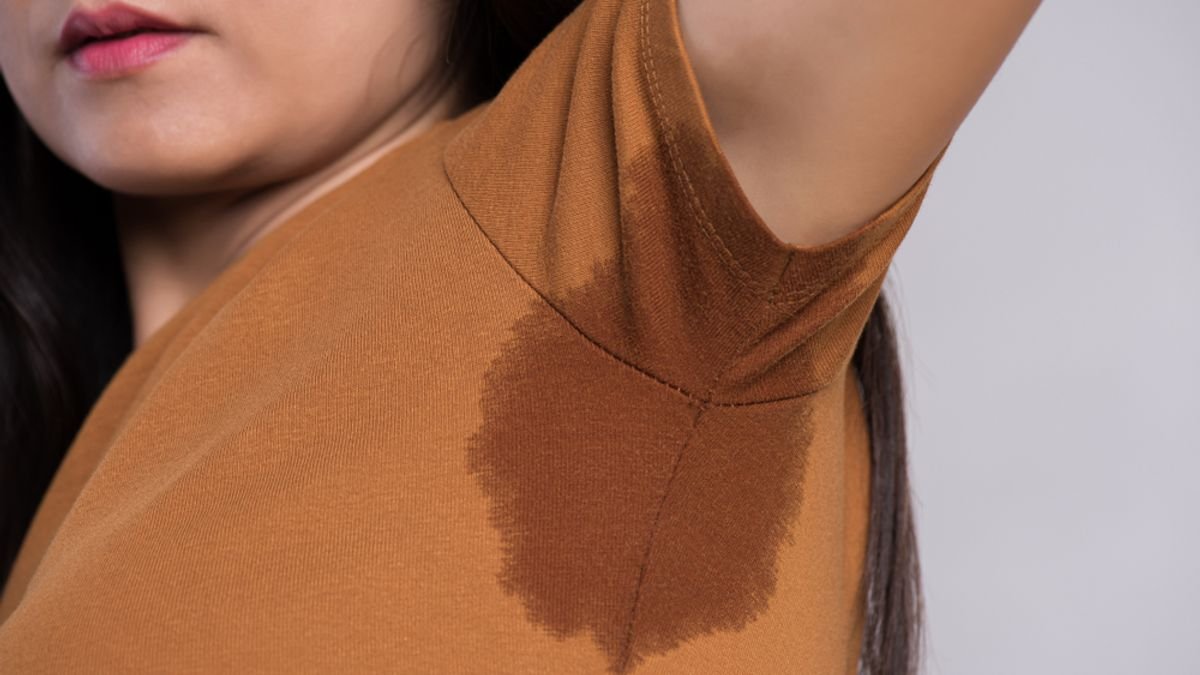
Many of us have skipped a light-colored shirt because it might show sweat. For one man, that concern had shaped his clothing choices since childhood. Heavy sweating across his face and torso often limited him to dark colors and required several changes of clothing a day.
His maternal uncle had the same condition, and his maternal grandfather had experienced similar symptoms. His mother carried the same genetic variant found in her son and brother, yet she did not report excessive sweating.
Researchers have now traced one form of primary idiopathic hyperhidrosis, a condition marked by chronic and excessive sweating without an apparent cause, to an inherited genetic change. The findings, published in Science Advances, show that the change can make the nerves controlling sweat glands respond too strongly. This helps explain why stress can trigger an episode without being the underlying cause.
The Genetic Cause Behind Some Cases of Excessive Sweating
Hyperhidrosis affects an estimated 2 to 5 percent of people and usually affects the palms, soles, underarms, face, or torso. It can interfere with everyday life and cause people to avoid social situations, yet it is still often dismissed as a cosmetic problem. About two-thirds of people with the condition report similar symptoms in their families.
Over 10 years, the team studied people from 32 families whose sweating had not improved with treatments aimed at the sweat glands. In six of those families, rare changes appeared in a gene called SCN10A.
Genes contain the instructions the body uses to build proteins. SCN10A provides the instructions for NaV1.8, a protein that sits on nerve cells and works like a tiny electrical gate. When the gate opens, sodium flows into the cell and helps the nerve send a signal.
One genetic change, called R14L, allowed nearly twice as much electrical current through that gate in lab-grown cells. The affected nerve cells then reacted more strongly to the chemical message telling sweat glands to switch on.
Read More: World’s First Synthetic Cell With a Complete Life Cycle Marks Biology Breakthrough
Measuring Sweat on Mouse Paws
To see whether the altered gate actually caused increased sweating, the researchers used gene editing to introduce the same R14L change in mice. Because mice sweat only through the pads of their paws, the team could measure the effect there.
The researchers coated the animals’ paws with iodine and starch, causing sweat to appear as dark spots that could be photographed and measured. Both male and female mice carrying R14L produced about 50 percent more sweat than mice without the change.
When the mice received an experimental drug that blocked the gate, their sweating fell by roughly 70 percent. Mice engineered without NaV1.8 also sweated less, strengthening the link between the gate and sweat production.
Existing Medications May Target the Same Pathway
Researchers then tried four existing medications or topical treatments on the mice. Aluminum chloride works like a strong antiperspirant by plugging sweat ducts. Glycopyrrolate and oxybutynin block the message that tells sweat glands to switch on, while guanfacine calms the nerve signals involved. Glycopyrrolate cut sweating by nearly 73 percent, and guanfacine by about 65 percent. Oxybutynin and aluminum chloride also reduced it.
These results came from mice, not clinical trials involving people. The experimental drug used to block NaV1.8 is not available as a human medication, and mouse paws cannot fully reproduce a condition that affects several areas of the human body.
The genetic analysis was also limited to 32 families whose condition appeared inherited and had not improved with local treatments. Larger studies will be needed to determine how often changes in NaV1.8 contribute to hyperhidrosis more generally.
Not every case appears to begin in the nerves. In another family, the researchers found a genetic change affecting a protein that helps water move through cells inside the sweat glands. Future testing could help doctors decide whether to target the glands themselves or the nerve signals reaching them.
This article is not offering medical advice and should be used for informational purposes only.
Read More: People Sweat Differently Than Traditionally Thought, Perspiring in Pools Not Droplets
Article Sources
Our writers at Discovermagazine.com use peer-reviewed studies and high-quality sources for our articles, and our editors review for scientific accuracy and editorial standards. Review the sources used below for this article: