Ancient Egyptian princesses knew their way around weapons of war
It seems some Egyptian royal women really were warrior princesses.
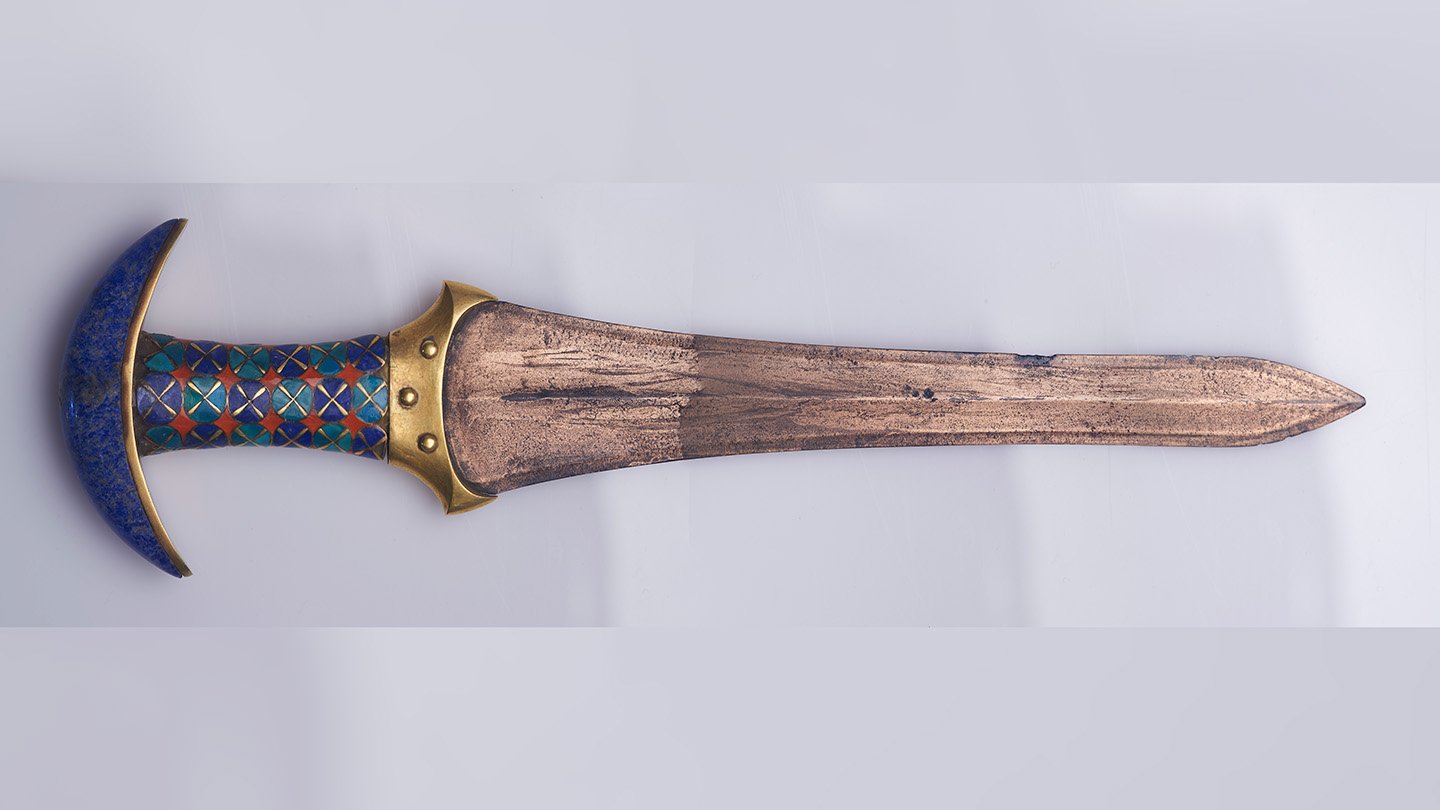
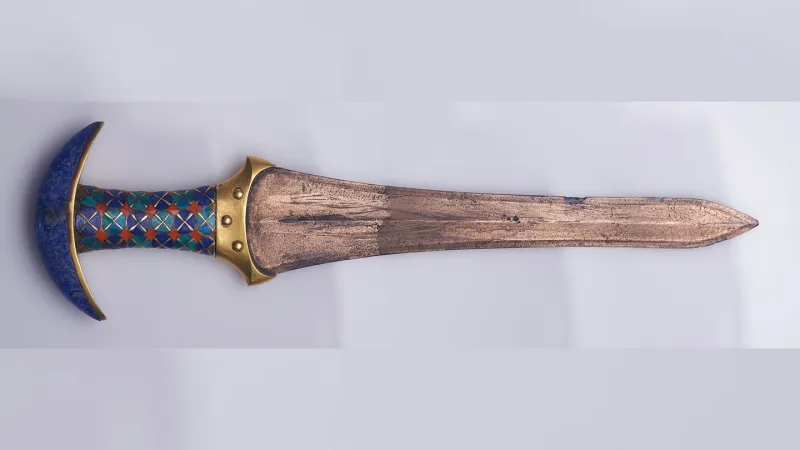
Examinations of almost 4,000-year-old mummified princesses suggest that they were skilled users of the daggers, bows and other weapons buried with them, researchers report July 17 in Frontiers in Environmental Archaeology.
“These princesses were active practitioners of hunting or athletic skills rather than merely symbolic owners of the weapons found in their tombs,” says bioarchaeologist Zeinab Hashesh of Egypt’s Beni Suef University. Some Egyptologists have dismissed armaments in females’ graves as “token” objects for the afterlife, but characteristics of the female mummies showed they had performed intensive martial activities, Hashesh says.
The six mummies in the study were excavated in 1894 and 1895 from the Dahshur funerary complex, about 40 kilometers south of Cairo. Their tombs were carefully cataloged, and included impact weapons like flails — jointed clubs — and maces. But the mummies were removed and then overlooked at an Egyptian museum; they were thought lost until their rediscovery in 2020.
Hashesh and her colleagues examined the mummies by measuring their bones to determine sex and age at death, and used X-rays and other techniques to search the remains for signs of illness and trauma. Their investigations confirmed handwritten notes from the 19th century excavators at Dahshur.
The one male mummy was an obscure 13th Dynasty pharaoh, while three — Ita, Khenmet and Itaweret — were probably daughters of the 12th Dynasty pharaoh Amenemhat II, who ruled approximately between 1929 and 1895 B.C. One mummy had no notes, but the researchers tentatively identified it as that of Sathathormeryt, a fourth sister to the three princesses. The other mummy was also a princess, but was not one of the sisters.
All six mummies shared a rare cluster of inherited spinal defects, indicating they were related. The team hopes to carry out DNA studies in the future. But the researchers also saw clear evidence of “robust” muscle attachments — where connective tissue once joined the muscle and the bone — and some telling skeletal developments. For instance, enlarged areas of the forearm bones indicated that Itaweret had often drawn bows.
Some of the women had healed from traumatic injuries, possibly sustained while training, hunting or in battle. “These princesses were not leading sedentary lives of luxury,” Hashesh says. “They were well-conditioned athletes whose bodies were hardened by the same skilled force and disciplined movement as the men of their time.”
Egyptologist Nicholas Brown, who was not involved in the study, says Egyptian princesses used bows in the royal ritual of shooting arrows in the four cardinal directions — north, east, south and west — during the Sed festival of renewal. However, the evidence for the princesses’ use of weapons is indirect, says Brown, of the University of Iowa in Iowa City. “The bones aren’t preserving the behavior directly, but the muscle attachments are clearly indicating some kind of habitual, repeated activity.”