Apple plays hardball with suppliers as it battles to keep down price of 2026 iPhones

Summary created by Smart Answers AI
In summary:
- Macworld reports that Apple is aggressively pressuring display suppliers Samsung and LG to cut prices for 2026 iPhone 18 Pro Max panels amid rising component costs.
- This cost-cutting strategy aims to offset “chipflation” – the industry trend of increasing memory and chip prices that threatens iPhone affordability.
- Despite more complex M16 stack OLED production requirements, suppliers are accepting reduced unit prices, though the impact on consumer pricing remains uncertain.
In the early days of the RAM shortage, Apple and its customers were largely unaffected, thanks to the company’s market clout and ability to leverage favorable deals with suppliers. This couldn’t last forever, unfortunately, and eventually Apple announced brutal price hikes across its iPad and Mac ranges. It’s expected that similar rises will affect the iPhone range when new models are launched in the fall, but Apple isn’t going down without a fight.
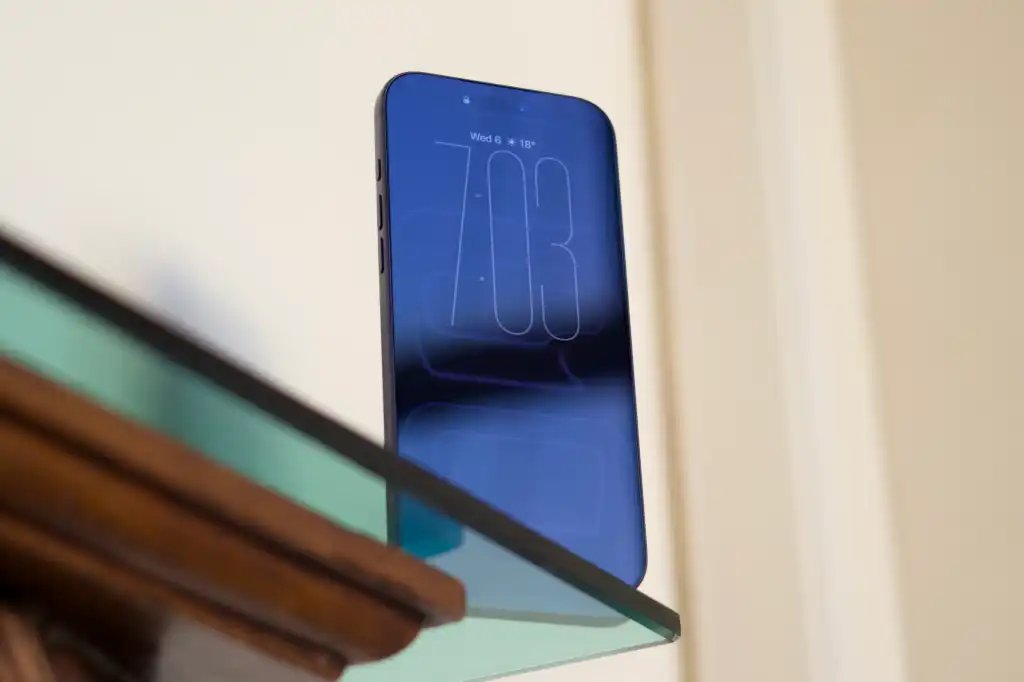
According to supply-chain sources quoted by Korean-language news site The Elec, the company has been pressuring partners to cut the unit price of displays for the new iPhones in order to make up for the rising cost of memory. Whereas iPhone 16 Pro Max panels cost more than $100 in some cases and those for the 17 Pro Max were $80, Apple pushed Samsung Display and LG Display to accept just $70 for iPhone 18 Pro Max panels, and has since negotiated them even further down to around $66.50.
The Elec describes this cut as significant, even beyond the usual generational reduction, because this year’s screens are more technically demanding to produce. The new OLEDs incorporate M16 stacks, improving brightness, color reproduction, power efficiency, and lifespan, but this means manufacturers have to adjust the production process and stabilize yields. “While product specifications and production difficulty have increased, the price has effectively decreased,” the site explains, admiringly.
Representatives of both display suppliers acknowledged the situation. “This year is very difficult due to chipflation,” said Samsung Display president Lee Chung. “There is significant pressure to lower prices for components and displays.”
A more optimistic LG Display president Jeong Chul-dong, meanwhile, said: “We are being affected to some extent. It is at a level we can endure as we are pursuing cost innovation.”
Whether this suppression of unit costs will result in lower (or less raised) prices for consumers or higher profit margins for Apple remains to be seen. The iPhone 18 Pro and 18 Pro Max will go on sale this September, likely accompanied by the iPhone Ultra, and we won’t know the sale prices for sure until then.