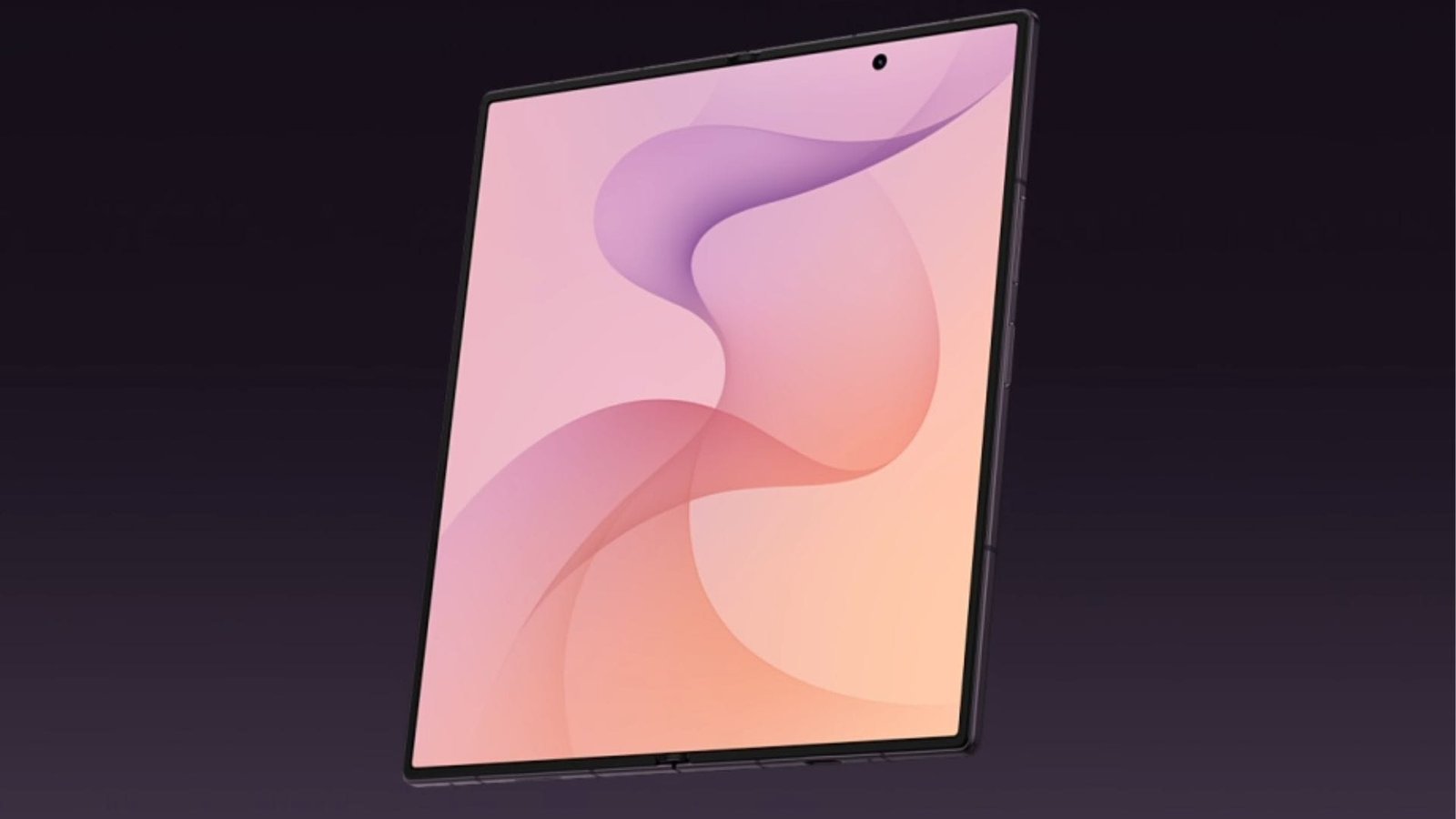
Are foldable phones closing the gap between smartphones and tablets?

Foldable phones have come a long way since the first Galaxy Fold arrived in 2019. With the latest Galaxy Z Fold series offering a thinner design and an almost invisible crease, the experience now feels much closer to using a compact tablet than ever before.
As hardware continues to improve, the line between smartphones and tablets is becoming increasingly blurred. But are foldables finally ready to replace carrying two separate devices?
Note: The article reflects the writer’s opinion.
Also read: Poco X8 leaked: Expected specs and features
Foldable phones are finally becoming a practical alternative to carrying both a smartphone and a tablet
Recent improvements have made foldable phones more practical than ever. Thinner designs, stronger hinges, brighter displays, and nearly invisible creases mean they no longer feel like experimental devices.
Instead, they offer a genuine two-in-one experience that combines the portability of a smartphone with the larger screen of a compact tablet.
Samsung’s latest Galaxy Z Fold 8 lineup is a good example of how far the technology has evolved, with hardware that feels much closer to a conventional flagship phone when folded and a tablet when opened. The biggest advantage of foldable phones is versatility. On the outer display, users can handle everyday tasks like messaging, calling, or browsing with one hand.
Opening the device reveals a much larger screen that is better suited for multitasking, reading documents, editing files, watching videos, or even gaming. Modern software also takes advantage of the extra display space by allowing multiple apps to run side by side, making foldables more productive than traditional smartphones.
That said, foldable phones have not completely replaced tablets. Their displays are still smaller than full-sized tablets, making them less ideal for long creative sessions, detailed photo editing, or extended work.
Premium pricing also remains a major hurdle, with flagship foldables costing significantly more than standard smartphones. While durability has improved over the years, many buyers still question the long-term reliability of folding displays compared to conventional phones.
For many users, however, the gap between smartphones and tablets has never been smaller. Someone who mainly consumes content, reads ebooks, attends video calls, or multitasks on the go may no longer need to carry two separate devices.
Foldable phones are not a complete tablet replacement for everyone, but the latest generation shows they are closer than ever to becoming a true all-in-one device.
Also read: Is Nothing shutting down in global markets?
Edited by Mudassir Kamran