As Anthropic gets ready to file IPO, it has taken out a job listing for director, with base salary of $425,000 to $600,000; his job will be to attend meetings to talk about …

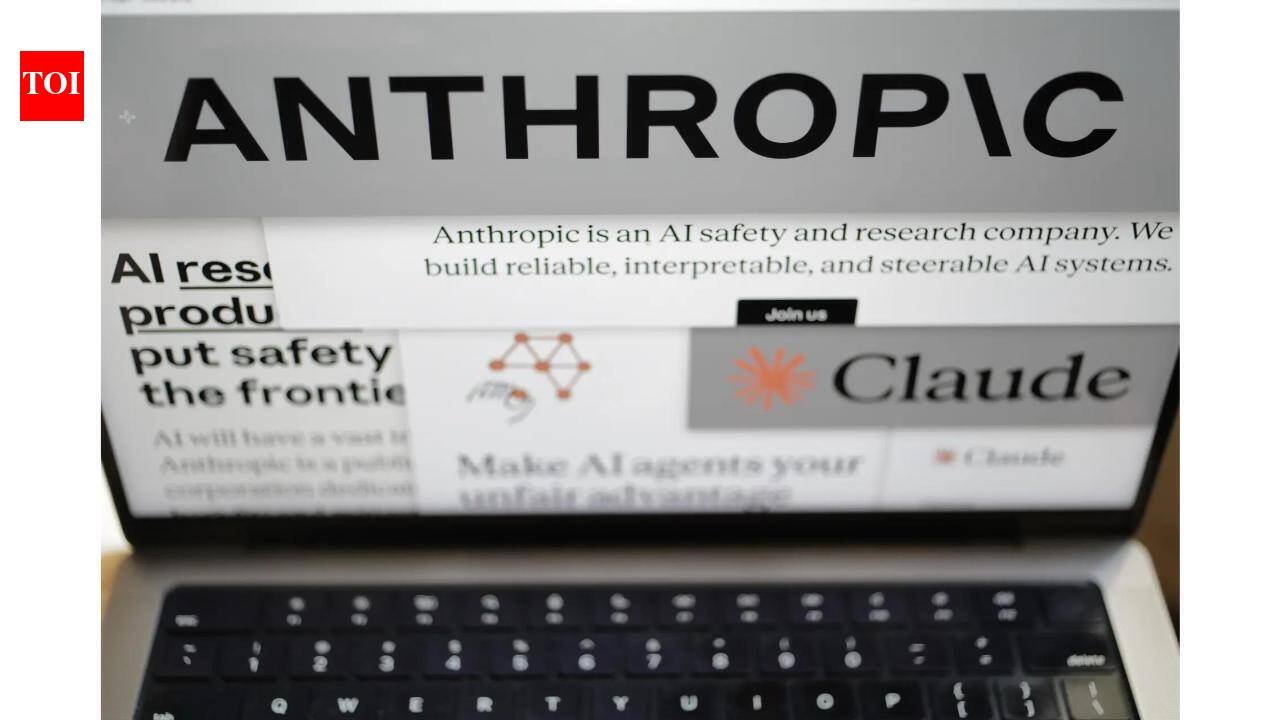
AI giant Anthropic, the creator of Claude model, is gearing up for one of the most closely watched IPOs of the year and it’s hiring accordingly as reported by Business Insider. As the company is preparing to go public as early as this fall, it has posted a new opening for a director of investor relations, offering a base salary between $425,000 and $600,000. The role will be central to shaping Anthropic’s pitch to public-market investors as it attempts to justify its $965 billion valuation, reported in May. As per the listing, the director will help craft Anthropic’s “investment narrative”, act as a primary liaison between major investors and company leadership, and attend meetings to explain Anthropic’s products, strategy, and how key decisions could affect the stock.They will also track AI industry developments and work closely with Anthropic’s new head of investor relations, Kenneth Dorell, who joined in June after leading Meta’s IR team. The company confirmed that its previous IR lead, Vu Bui, departed earlier this year.
Revenue surge and rising expectations
Anthropic’s revenue has increased over the past year, driven by enterprise adoption of tools like Claude Code. In May, the company said its run-rate revenue had crossed $47 billion, cementing its position as OpenAI’s most significant competitor. But the company faces a tricky balancing act: AI labs are expensive to run, require massive capital for model training, and operate under unusual governance structures. Anthropic is a public benefit corporation, legally required to balance shareholder returns with the long‑term safe development of advanced AI.The job listing even nods to this complexity, noting that preferred candidates should have an “interest in AI safety” and enthusiasm for explaining a research‑driven company to financial audiences.
A new kind of IPO
Anthropic and OpenAI represent a new category of company for Wall Street — privately valued in the hundreds of billions, burning enormous sums on compute, and navigating intense government scrutiny. Their researcher communities also wield unusual influence over corporate direction. For guidance, Anthropic’s IR team can look to SpaceX, which went public at a $1.77 trillion valuation in June by positioning itself as a major AI player. After an initial surge, SpaceX shares later fell below their listing price — a reminder of how volatile investor sentiment can be in the AI sector.
Canada government warns country’s largest financial institutions and banks on Anthropic’s Claude Mythos
In related news, recently, Canada’s federal banking regulator has warned the country’s largest financial institutions about the risks posed by Anthropic’s Claude Mythos and other advanced AI systems, according to a report by Reuters. In an April email obtained by Reuters, the Office of the Superintendent of Financial Institutions (OSFI) cautioned that frontier AI models could increase cyber threats and compress the time banks have to identify and fix the vulnerabilities. The email, sent to chief technology, information security, and risk officers across Canada’s financial industry, outlined practices to enhance risk identification and response. “Advanced artificial intelligence models, such as Anthropic Claude Mythos, significantly compress the timeframe for effective risk mitigation,” OSFI wrote.Following Reuters’ inquiries, OSFI published a public bulletin emphasising its technology-neutral, risk-focused approach. The regulator said its concern is not the technology itself but how institutions govern and manage risks associated with its use.