Australia’s fastest-growing consumer brands on customer growth
Growth can be measured in revenue, customers and market share. But behind those numbers is a more difficult question: how does a business expand without weakening the experience that attracted customers in the first place?
It is a challenge facing many of the founders named as national finalists in the 2027 EY Entrepreneur Of The Year program.
Now in its 26th year in Australia, the prestigious business awards recognise entrepreneurs for their innovation, leadership and resilience.
This year’s Consumer and Services finalists include:
Consumer category
- Lou Tandy, APT Travel Group
- Lina Calabria, Bellroy
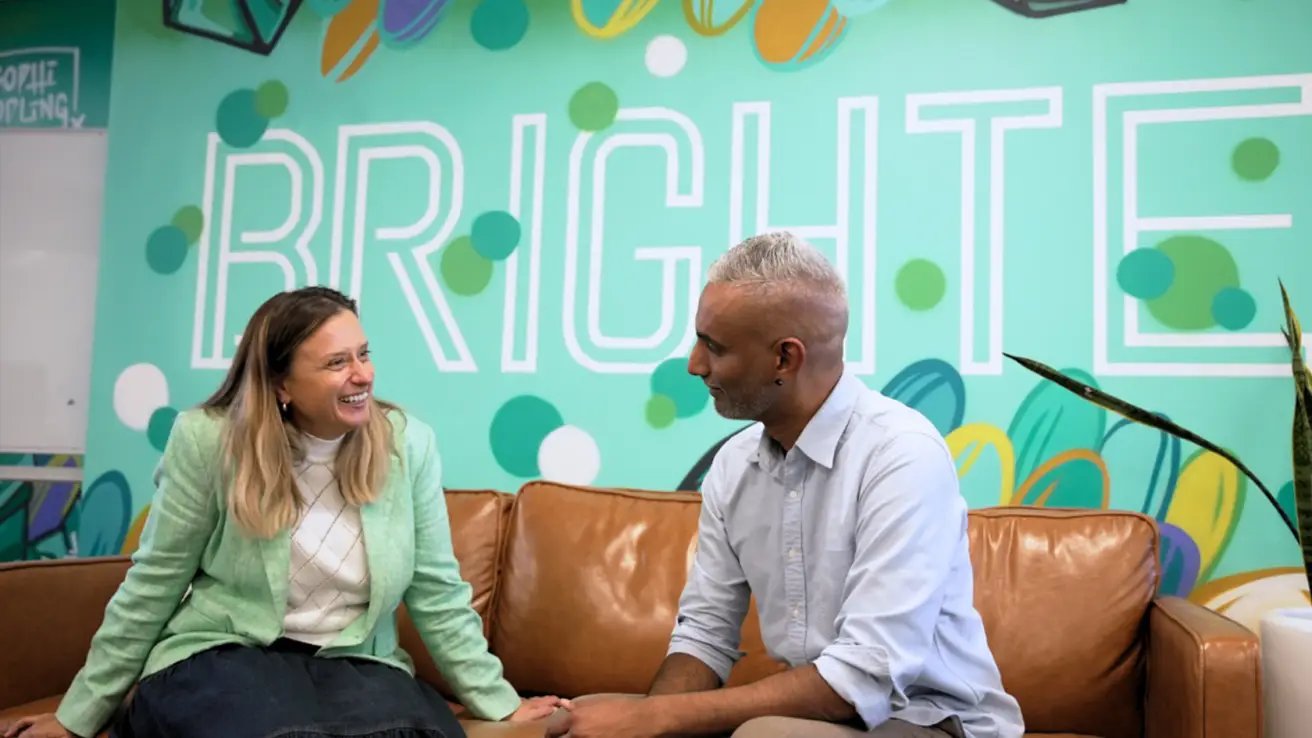
- Katherine McConnell, Brighte Capital
- Rob Cowie, HenCo Group Pty Ltd
Services category
- Daniel Tucker AM, Carey Group Holdings
- Paul Valenti, GEMA Group
- Nicholas Murphy, MLEI Group
- Joel Hepburn-Brown, Torrens Health
Startup Daily spoke with the finalists about the most impactful things they have done to earn customer loyalty, maintain service quality and grow with purpose.
Moving with customers’ shifting preferences
After nearly 100 years of creating premium travel experiences, The APT Travel Group now hosts 60,000 guests annually across six continents, giving co-owner Lou Tandy a clear view of how traveller expectations are changing.
“Travellers are becoming increasingly sophisticated, seeking experiences that are more personalised, immersive and thoughtfully curated,” she says.
In response, APT has continued to evolve its offering. Tandy points to the redesign of its river ship fleet as one way the company has responded to changing customer preferences.
“We created a contemporary onboard experience tailored to the expectations of today’s traveller, challenging traditional cruise design and setting a new benchmark for river cruising,” explains Tandy.
That expectation for more personalised service extends well beyond travel. Torrens Health, an industry-leading healthcare services group with more than 6000 professionals delivering 1.5 million hours of care each year, has seen a similar shift.
Founder Joel Hepburn-Brown says customers are no longer content to engage with the system only when something goes wrong: “They want to understand their health, measure it, and actively improve it.”
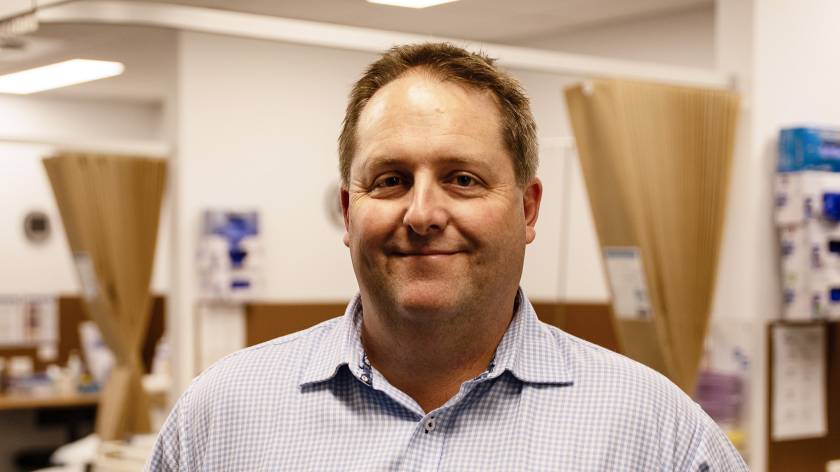
Torrens Health has responded by placing home care at the centre of its business and expanding further into preventative health through its acquisition of Corporate Health Group.
“We’ve adapted deliberately,” Hepburn-Brown says. “Since it was established 50 years ago, Corporate Health Group has provided preventative health programs that let us help people measure their health and genuinely improve their wellbeing.”
Technology underpins both areas of the business, he says, giving customers and clinicians greater visibility to make informed decisions.
“Customers want to live well, not just be treated,” he adds.
Building trust when things don’t always go right
The greatest test of a customer relationship often doesn’t come when everything is working, but when something goes wrong.
Brighte Capital has helped more than 260,000 Australian households finance clean energy upgrades through a network of over 2500 home energy retailers.
Founder and CEO Katherine McConnell says the platform takes responsibility for helping resolve problems, even when another party may be directly accountable.
“The businesses that build lasting loyalty are the ones that show up when it’s inconvenient, not just when it’s easy,” says McConnell. “That’s what customers remember.”
When equipment develops a fault, Brighte works with both the household and installer to find a resolution. McConnell says this reflects a company value called “call the ball”, which means taking ownership of an issue and seeing it through.
Trust can also be built into the product itself.
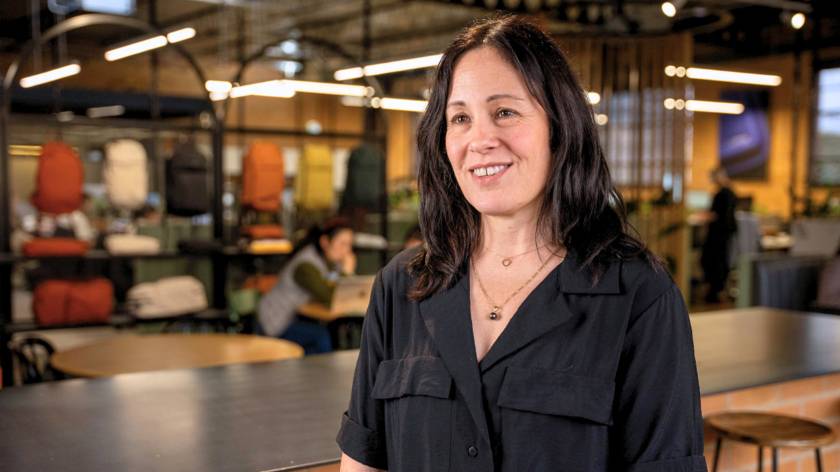
Lina Calabria, co-founder of premium carry goods brand Bellroy, says customers pay close attention to what the market offers and adjust their expectations based on their experiences.
After trying disposable or short-lived products, she believes many have been disappointed.
Bellroy differentiates itself through durability, repairability and products designed to age well. Its “Day 1, Day 1000” campaign shows how products change through use rather than presenting them only in pristine condition.
“We aim to build a long-term relationship with our customer and we think that’s what customers expect from us,” Calabria says.
For GEMA Group managing director Paul Valenti, trust also depends on balancing purpose with commercial discipline. The hospitality company delivers catering across major sporting events, venues and airline lounges around Australia.
“Purpose informs our brand and client relationships; commercial discipline ensures we can keep delivering it,” he says.
Scaling without losing what made you good
Growth places pressure on the qualities that made a business successful in the first place.
Founders move away from frontline operations, informal communication becomes harder and larger workforces create more opportunities for inconsistency.
“Scaling is where a lot of businesses quietly lose what made them good,” says Brighte’s McConnell.
At Brighte, protecting service quality involves accrediting and actively managing the home energy retailers in its network.
“We don’t just sign up anyone who wants to sell through us,” she explains, because a household’s experience of Brighte is ultimately shaped by “the installer standing in their loungeroom.”
For Bellroy, culture is an essential mechanism for maintaining consistency.
If culture remains strong, Calabria says, the values informing customer service and brand presentation can continue guiding decisions as the company grows. Bellroy has therefore worked to make its culture explicit, describing its team as “smart people, with good intentions, who get things done.”
Tandy takes a similar approach at APT.
“Growth has never been about expansion for its own sake; it has been about strengthening the brand and enhancing the experience we deliver,” she says.
Daniel Tucker AM, founder of First Nations-owned and operated mining, civil, construction and training company Carey Group Holdings in WA, also argues that purpose and commercial performance should reinforce one another.
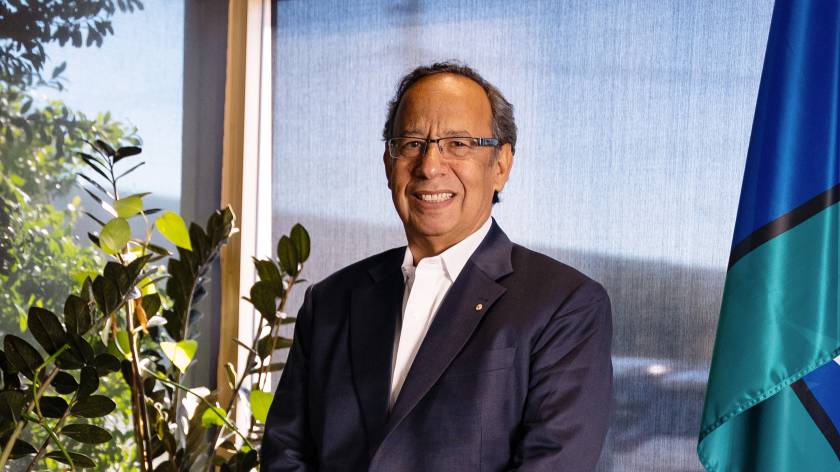
“The key is delivering consistently on safety, quality and outcomes, while staying true to why the business exists,” he says.
Together, the finalists show that sustainable growth depends on earning trust, protecting quality and adapting as customer expectations change.
Learn more about the 2027 EY Entrepreneur Of The Year™ finalists and the program.