Bitcoin Hits $65,500 as Softer US Inflation Data Lifts Crypto Markets
Bitcoin rose to its highest level in more than three weeks on Wednesday after weaker-than-expected US inflation data strengthened investor sentiment and boosted demand for risk assets.
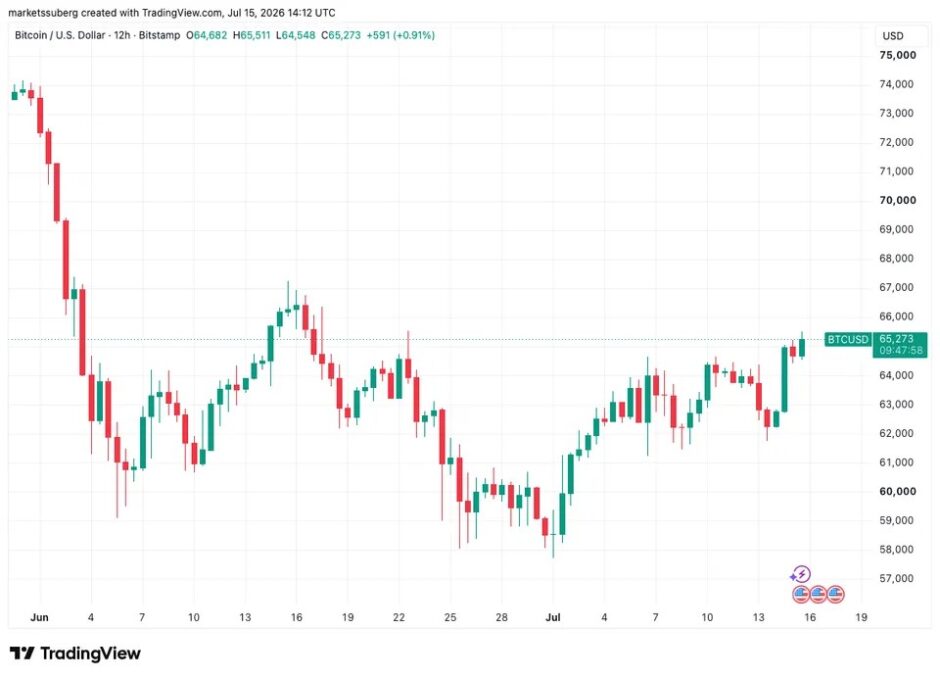
The world’s largest cryptocurrency climbed to $65,500, its highest level since June 22, following the release of the latest US Producer Price Index (PPI) report, which came in below market expectations for the second consecutive day of encouraging inflation data.
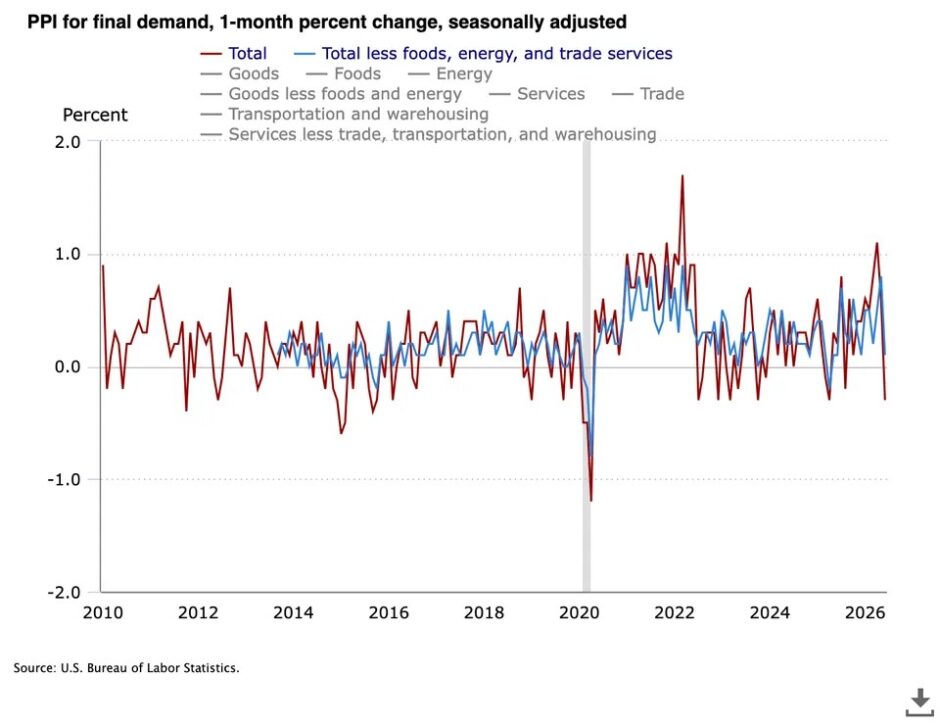
According to the US Bureau of Labor Statistics, producer prices declined 0.3% month-on-month in June, while the annual PPI stood at 5.5%, suggesting easing inflationary pressures.
The latest figures followed Tuesday’s softer-than-expected Consumer Price Index (CPI) report, reinforcing expectations that inflation in the United States may be moderating despite geopolitical tensions in the Middle East and higher oil prices.
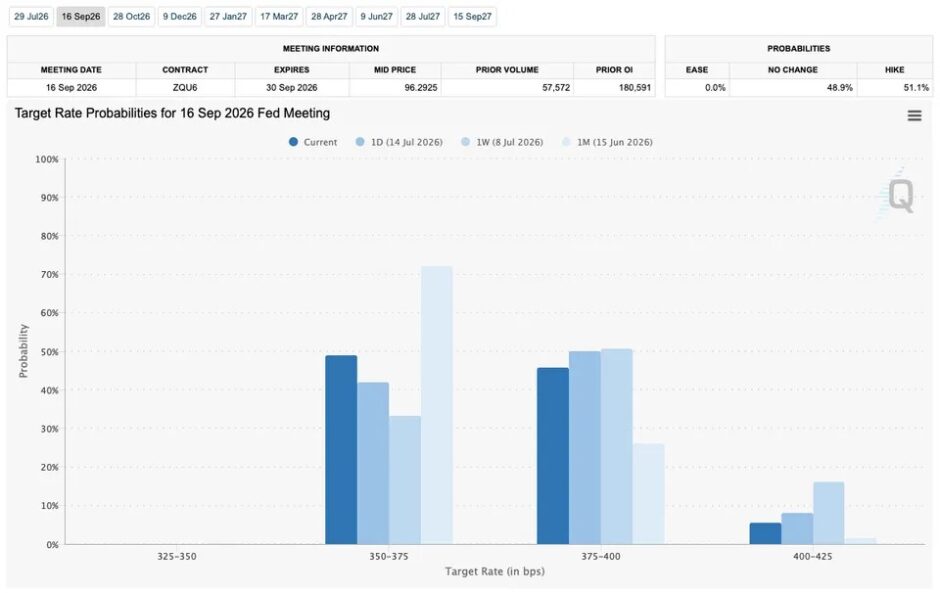
The improved inflation outlook lifted investor confidence across financial markets, with analysts suggesting the data could influence expectations for future US Federal Reserve monetary policy.
Economist Mohamed El-Erian said the latest inflation figures were likely to support equities and reduce expectations of further interest rate increases.
Market expectations also shifted following the data, with traders reassessing the likelihood of future Federal Reserve policy decisions.
Despite the rally, cryptocurrency analysts remained cautious about Bitcoin’s near-term outlook. Market observers noted that the $65,600 and $67,200 price levels remain key resistance zones. A sustained move above those levels could strengthen bullish momentum and potentially pave the way for Bitcoin to retest the $70,000 mark.
Other analysts warned that historical trading patterns suggest Bitcoin could still face selling pressure later in the month if it fails to maintain its current momentum.
Bitcoin’s latest gains come as global financial markets continue to balance improving inflation data with ongoing geopolitical uncertainty and expectations surrounding US interest rate policy.