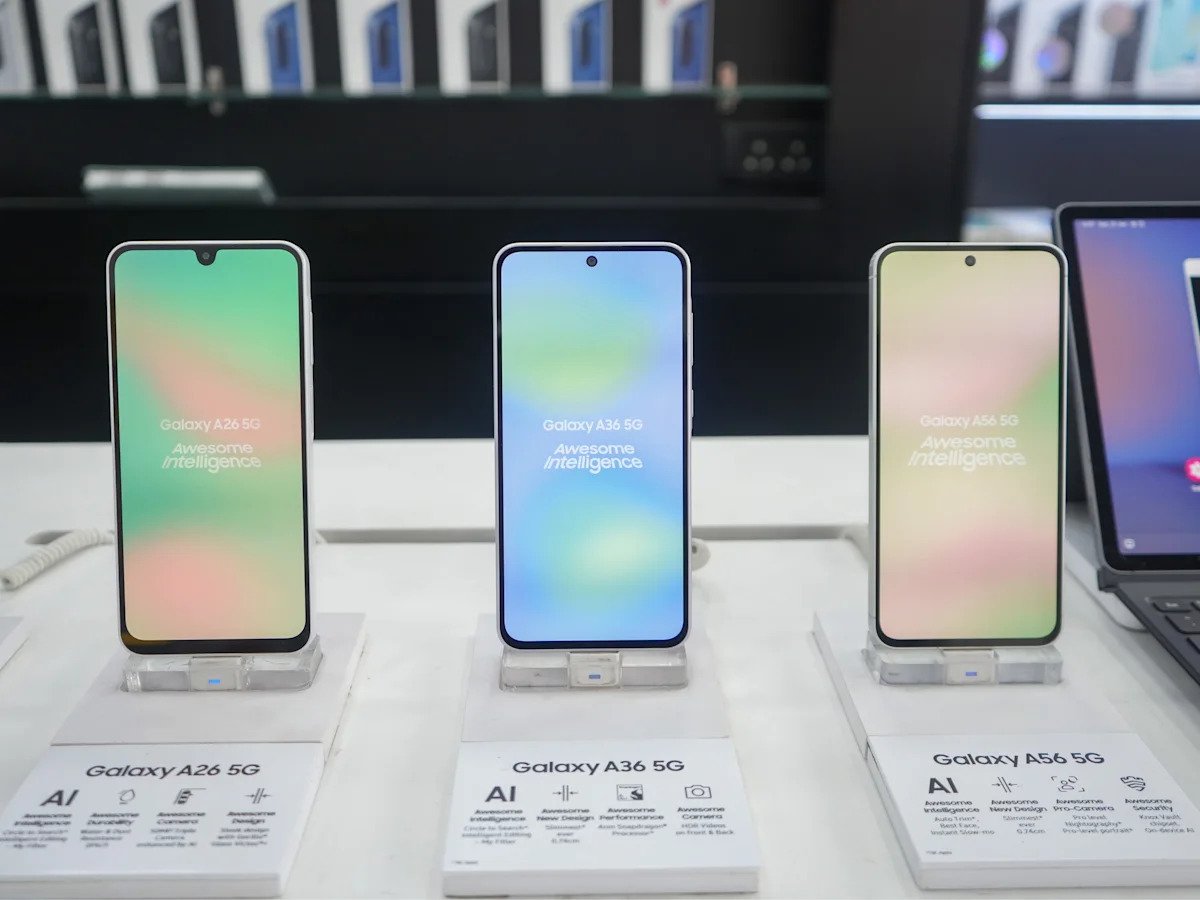
Budget smartphones are in trouble
-
Makers of budget smartphones face painful cost pressures.
-
Memory and storage chip costs have spiked during the AI boom, impacting companies’ bill of materials — and consumer prices.
-
Analysis from global tech research firm Omdia predicts a 22% decline in the sub-$400 phone market this year.
The market for budget smartphones is set to shrink as the realities of the memory shortage continue to set in.
Surging RAM prices amid the memory shortage are putting heavy pressure on the economics of low-end smartphones, according to recent analysis published this week by global technology research firm Omdia.
“Memory costs have become a serious burden for low-end smartphones,” the report said. “Based on the memory price trend for the coming quarters, low-end products are already becoming unprofitable and face a high risk of weakening demand as retail price continues to rise.”
Memory costs now account for nearly 60% of the total bill of materials to make a smartphone in the sub-$400 price tier, and more than 64% for phones priced below $99, according to the research firm.
Omdia said global consumer tech brands — including popular Chinese brands like OPPO and Xiaomi — are under pressure to raise retail prices to preserve their margins.
RAM shortages will have an outsize impact on budget-conscious consumers, the firm said. A premium phone maker can trim building costs by using an older processor, a cheaper display, or a different camera setup. A budget phone maker, which already relies on thin margins, has much less fat to cut.
Overall, Omdia expects the global smartphone market to decline by 12% this year, largely driven by a 22% year-over-year decline in shipments of sub-$400 smartphones, while shipments of phones priced above $400 are expected to grow by 5.7%.
Battering RAM

RAM costs have risen as more companies rush to buy memory chips amid the AI boom.
Much of the boom powering AI data center construction depends on the same broader memory supply chain that feeds consumer electronics, including DRAM/RAM and NAND. That’s driving up costs for electronics companies, which has led many to pass those added costs along onto consumers.
Apple recently raised prices on many Macs and iPads by as much as $300, after Tim Cook warned that the memory shortage had become too expensive for the company to continue absorbing. The company has yet to raise iPhone prices this year, though many expect the starting price of the new generation of iPhones to increase when the models are unveiled in the fall.

![[Case] Zalman P30 Micro-ATX PC Case, 2 x 120mm Reverse + 1 x Rear Exhaust ARGB Fans (Pre-installed), Tool-less panels, USB Type-C & 3.0 – $69.99 (Comes with grease! Limited stock, P30 White Only)](https://jobssz.com/wp-content/uploads/2026/07/SeEttTwmcgH7LPIZI4ub-u8btboJTiPTQ8SWYZY8xDs.jpeg)