Einstein’s greatest theory triumphs again in landmark frame-dragging measurement
 |
submitted by /u/scientificamerican [comments] |

| |
submitted by /u/scientificamerican [comments] |
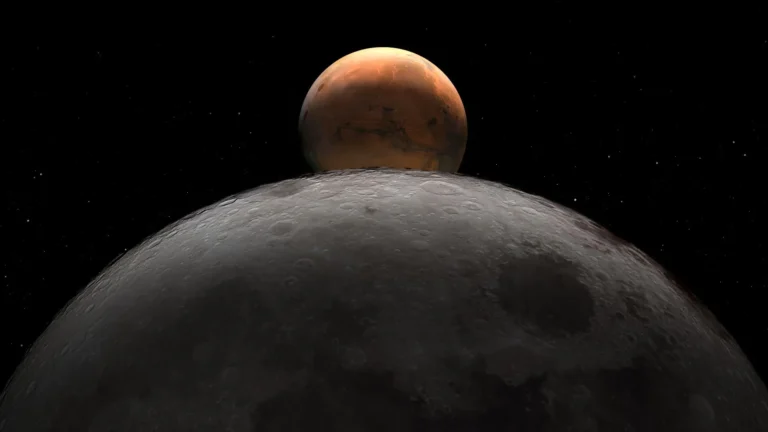
NASA has chosen 41 technology proposals from 37 American companies to help develop the capabilities needed for future missions to the Moon and Mars. The selections are part of the agency’s 2025 Announcement of Collaboration Opportunity (ACO), which is designed to accelerate innovations in areas such as space transportation, planetary surface operations, and infrastructure for…
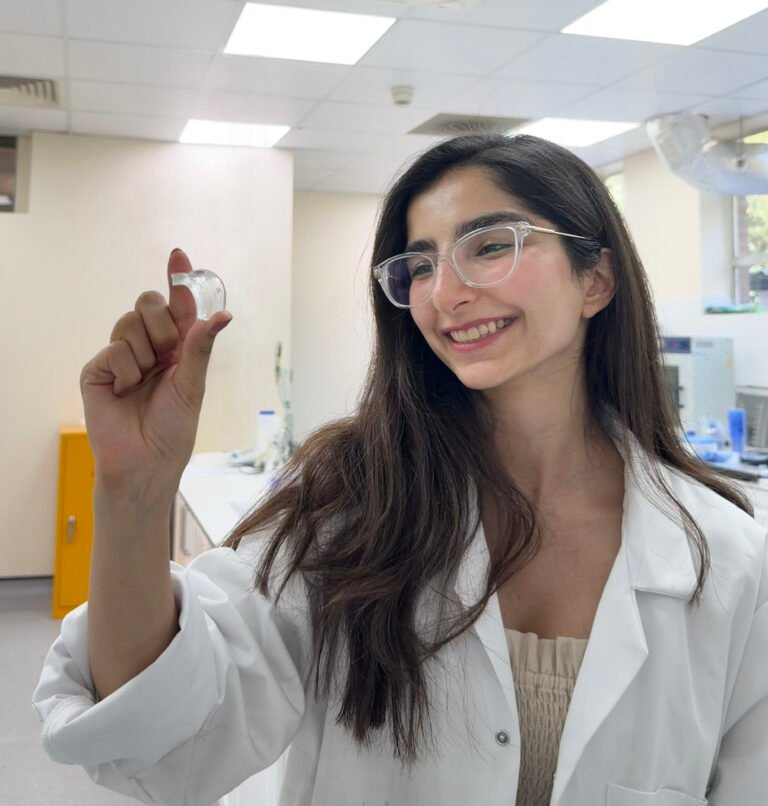
Newswise — Researchers have found an ingenious way to make soft robots and wearable technology more than three times more powerful by harnessing the surface tension of a tiny liquid metal droplet smaller than a rain droplet. Their breakthrough, demonstrated in a new study led by the University of Bristol, with collaboration of North Carolina…

Humanity has many powerful tools in its cognitive arsenal. Language, abstract thinking, the theory of mind, and many others define who we are as animals. One of our most powerful tools is pattern recognition. Pattern recognition is built-in on our ground level, a foundational brick in our cognitive structure. Pattern recognition works on a basic,…

The suits were John Young's and Charlie Duke's from Apollo 16 (Young's looked like it still had some moon dust on it) and Charles Bolden's from his Space Shuttle missions. There was also a backup Apollo 11 flag, an Apollo 14 moon rock, Mercury patches, pieces of two Mercury spacecraft's heat shields, and helmets from…
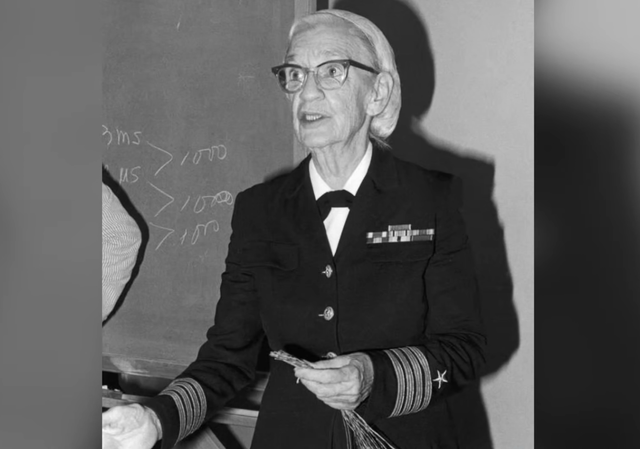
Most people think of data transfer as instantaneous, but there is a hard physical limit of course – the speed of light. Grace Hopper used an 11.8-inch wire to communicate this "nanosecond" constraint loud and clear. If you're interested in the details, I’ve put together a breakdown of the math explaining why computers inevitably had…
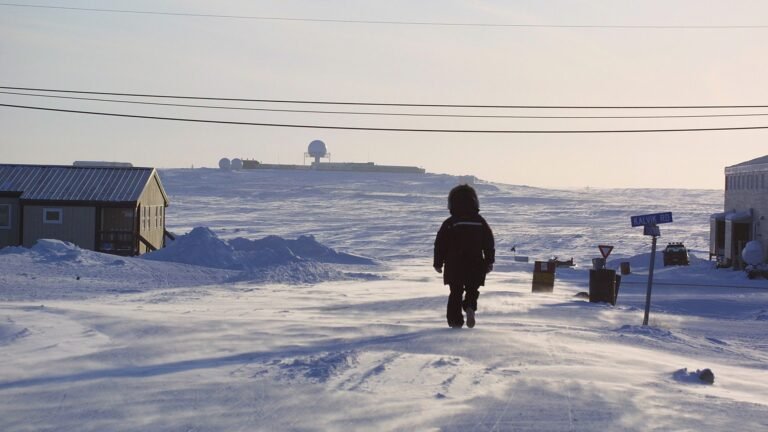
A simple method to thicken Arctic sea ice has shown promising results in its very first field experiment, performed in Cambridge Bay, Nunavut, Canada. Researchers are considering several controversial geoengineering techniques to slow the catastrophic melt of Arctic sea ice, including stratospheric aerosol injection, which involves shooting tiny sulfur particles into the sky to blot…