“Every game that drops out of circulation is a game that may be lost for good” – We chat with GOG about game preservation, one-click mods, Capcom, Final Fantasy, The Dreamlist, and much more
Earlier this year, I had a chance to interview Michał Obuchowski (Publishing Technical Manager), Marcin Paczyński (Senior Business Development and Partnerships Manager), and Piotr Gnyp (Senior PR) from GOG about the company’s preservation efforts over the years, the GOG Dreamlist, the GOG Preservation Program, GOG’s One-Click MOD system, working with Square Enix and Capcom, licensing, Windows 11, adding controller support to classic PC games, Resident Evil, Metal Gear Solid, Final Fantasy, the possibility of Breath of Fire III on GOG, day one DRM free releases, and much more. I sent over the team
Advertisement. Keep scrolling for more
Piotr Gnyp:
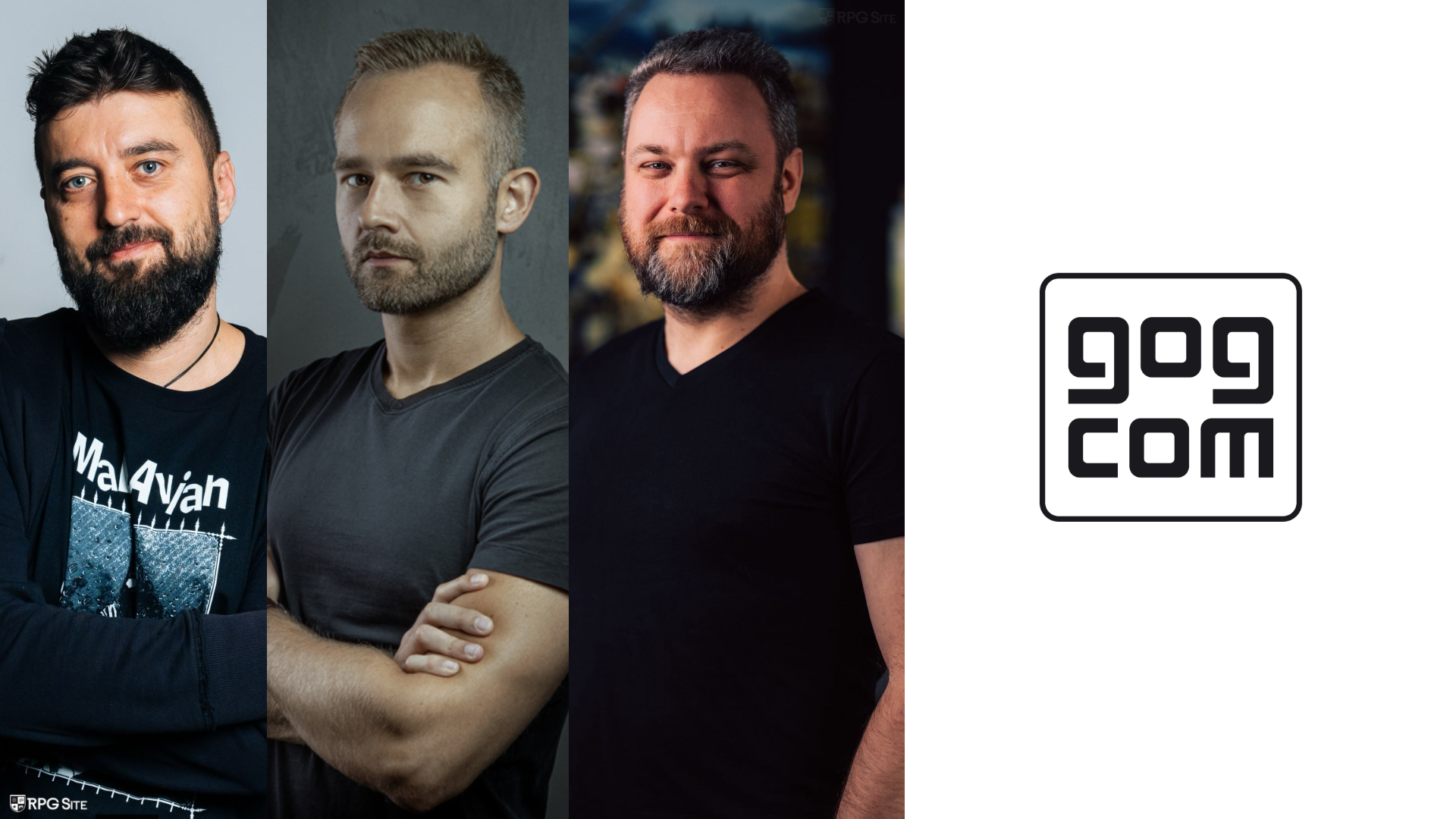
I’m Piotr Gnyp, Senior PR at GOG – though the title only tells half the story. I go back about 30 years in this whole thing: I started in tabletop RPGs, as one of the editors of Magia i Miecz, a cult Polish RPG magazine. From there it was video games, then games media, and eventually gamedev – where I’ve been ever since, these days at GOG. Beyond communications, I also look after our work with cultural institutions, game preservation advocacy, and new business.Answering your questions alongside me are two colleagues: Marcin Paczyński, our Senior Business Development Manager, who leads the rights acquisition and partnerships behind the GOG Preservation Program, and Michał Obuchowski, our Publishing Technical Manager, who leads its technical side, the engineering that gets classic games running on modern systems.
Piotr Gnyp:
Honestly? Behind the scenes, surprisingly little has changed – and that’s exactly the point. Same team, same GOG Preservation Program, same tools and pipeline; the day-to-day work – the testing, the engineering, the rights-chasing – runs the way it always did. What changed is the setup, not the work. If anything, the new setup works in preservation’s favour: now that GOG is independent and founder-led, game preservation sits closer to the core of what we are than ever, and we’re doubling down on it. So the honest read is continuity where it counts, and more behind the part we care about most.
Piotr Gnyp:
The name was always a bit of a trap – we actually renamed from Good Old Games to GOG.com back in 2010 precisely because of it. Classics and game preservation are the core, and that isn’t changing. But preservation isn’t only about the past. Today’s releases are tomorrow’s classics, and a game that launches DRM-free, as an offline installer you can keep, is simply easier to keep alive for the next thirty years.Michał Obuchowski:
Windows 11 is honestly the harder target, and the pressure comes from two directions at once. One is security. Microsoft is reworking how elevation works – the old “click Yes” on a UAC prompt is being replaced by something called Administrator Protection, where the system spins up a hidden, one-time admin account and a short-lived token gated behind Windows Hello. It’s a reasonable security move, but for us it changes how a game asks for the permissions it needs – and the catch is you don’t really know what actually changed until Microsoft ships a preview. And these are early, unstable previews; this one was pulled back after its first release to be reworked. So we’re often aiming at a moving target whose shape isn’t final yet.The other direction is legacy. The further Windows travels from its roots, the more thirty-year-old baggage it drags along – and Microsoft keeps trimming it: Directshow, which suffered a regression in newer Windows 11 builds, causing some classic game videos to break in spectacular ways, legacy drivers, old copy-protection schemes which may prove tricky to remove, making it ever more important to ship games DRM-free; DirectPlay, which is now deprecated and needs wrapping with custom DLLs stub – otherwise a title may not even start. That’s exactly the plumbing a lot of classic games quietly rely on – so every time a piece of it gets retired, something from – say – 1998 can stop booting.
Michał Obuchowski:
Community feedback is something we value highly – players run these games on configurations we could never replicate in-house, so it can surface things we’d otherwise miss. But for titles in the GOG Preservation Program, we don’t sit and wait for a flag. We run continuous research and monitoring, as far as our capacity allows, and we react to operating-system changes proactively. The clearest example was the video wrapper we shipped last year: Microsoft pushed a patch that broke video playback: intros and cutscenes stopped rendering correctly across a whole range of older games. We built a fix and rolled it into every affected title at once. That’s the part people don’t always see: because we maintain our own tooling, a single fix can repair the same problem across the entire catalogue, with minimum delay. For GPP titles we ensure that any fixes we develop are clearly listed in the changelogs.Advertisement. Keep scrolling for more
Michał Obuchowski:
We have our own in-house technology for this – an input wrapper. It’s the layer that lets a game built only for keyboard and mouse take controller input, and it’s what we build the support on.If there are community fixes available under an appropriate license, we’ll sometimes consider using them – always by the book. We are currently collaborating with a community fix developer on a particular title, but it’s too early to talk about it.
Marcin Paczyński:
The Dreamlist helps us tremendously. It helps us prioritise our efforts, and while most of the games at the top are already well known to us – we’ve been working on many of them for years – a few were a complete surprise.It also helps us build a case for publishers, as it provides a fresh and transparent indicator of the level of demand for a game-something that would otherwise be very difficult to estimate.
And it isn’t only the number. People leave a note on why a game matters to them, and that’s the part that travels. Without naming the title: one game entered our pipeline largely because someone on the rights holder’s side read those player testimonials and was genuinely moved by them. The votes show the scale of the demand; the memories show why it matters – and sometimes that’s what moves a real person to a yes. Which doesn’t make any of it quick: Diablo took the better part of a decade of conversations before it finally landed.
Marcin Paczyński:
This won’t be the answer you’re hoping for, but here’s the reality: when a title isn’t part of the GOG Preservation Program, the form it takes on GOG – which version, which build – is the rights holder’s call, not ours.In the spirit of game preservation, we always strive to preserve the original experience, and our goal is to eventually include every back-catalog game in our Preservation Program.
Michał Obuchowski: We look at each of these cases individually, and where it’s possible, we try to keep every version of a game that makes sense for players to have. The reason is exactly the situation you hit: a forced update lands and breaks something – a save, or the mods you were running – and on platforms that always move you to the latest patch, you’re stuck with it. So the options aren’t an accident; they’re deliberate.
Two things help on the client side: in GOG Galaxy you can turn off automatic updates for a game, so a patch only lands when you choose it, and for titles where earlier builds are kept, there’s a rollback feature that lets you drop back to a previous version if a new one breaks your setup. It doesn’t apply to every game, but where the older build matters – Skyrim Special Edition without the Anniversary content is a good example – we try to keep it within reach.
Michał Obuchowski:
It varies, but for the big ones it’s a lot. Whether it’s Fallout: London, a Diablo 1 overhaul, or S.T.A.L.K.E.R. GAMMA, the mods we add through One-Click Mods are typically major overhauls, the kind that change a game substantially, not a texture swap or a small tweak, so the packaging can be an involved process. The whole promise is that the player gets it in one click: verified and working, with no manual setup. That’s where the effort goes.GAMMA is the case I’d point to. It stacks hundreds of mods into a huge number of directories with very long file paths, which runs straight into how Windows handles path length – so wrapping it into One-Click Mods cleanly was one of the more complicated jobs we’ve taken on. The harder a mod is to install by hand, the more work it takes to make it effortless for our players.
Marcin Paczyński:
In short, yes – you can’t just take a community mod and drop it into a store. We reach out to the people who made the mod and to the original rights holder, so the work goes up with everyone’s blessing rather than around them. There is also a detailed vetting process involved.On top of all that, each One-click Mod on GOG requires users to own the base game. This is not only a legal requirement, but it also allows us to provide the seamless installation experience that is the unique value of GOG Mods.It’s a lot of work, but it’s definitely worth it. For me, mods and their communities are one of the core pillars of game preservation. They often create updates or add content to classic games. On top of that, mods are one of the purest expressions of player creativity-for many people, they’re the first real step into making games. That creativity is worth preserving just as much as the games themselves.
Marcin Paczyński: Unfortunately, the step-by-step is the part I can’t share – the details sit under NDA, like most of our rights work, and that confidentiality is part of what makes the deals possible at all. What I can tell you is that bringing back a catalogue like Epic Megagames is rarely quick.
On One Must Fall: 2097 specifically – the most useful thing you can do is add it to your GOG Dreamlist and leave a note on why it matters to you. That’s how a title climbs our priority list.
Advertisement. Keep scrolling for more
Marcin Paczyński: I’m sorry for not being able to be more specific here but our goal is for every classic game to be on GOG. I’d love to see MGS4 on GOG too!
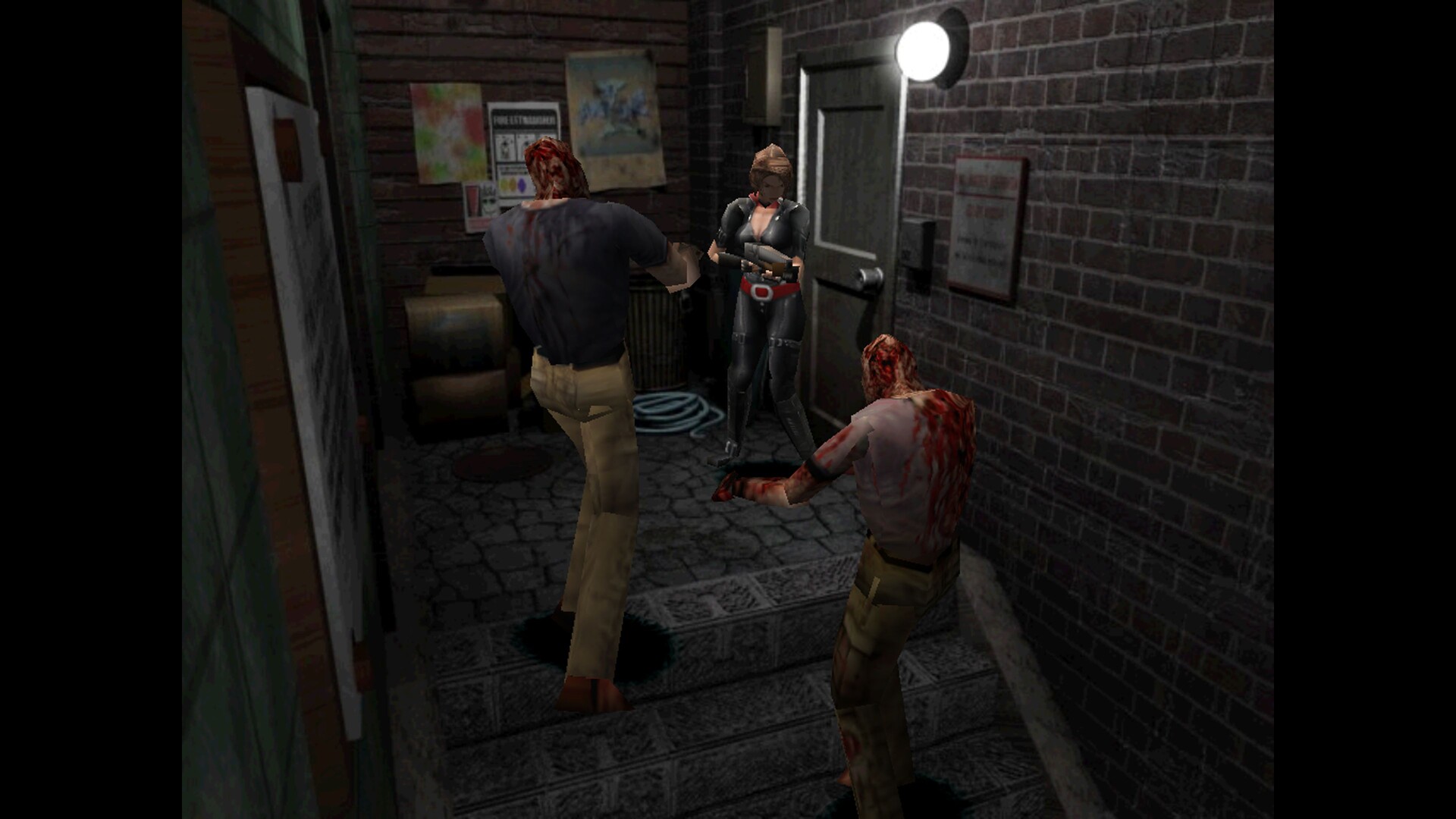
Marcin Paczyński: The launch answered a lot of questions by itself. The classic Resident Evil games and Dino Crisis sit at over 90% positive user ratings on GOG, and it’s worth remembering how seriously Capcom approached them: they were treated as full new releases, with complete QA and certification, per language.
Has it become easier? We understand what it means for a company to hand over brands this iconic, brands that are truly its own. That takes real trust, and we’re grateful Capcom gave us that chance. We delivered. Perhaps that makes conversations with other partners a little simpler now, because there is a track record to point to.
As for whether more of Capcom’s legacy is coming: the top of the GOG Dreamlist is the most honest answer I can give.
Marcin Paczyński:
It surprised a few people, but it makes sense once you see how it works. On those titles we’re a co-developer – we did the preservation and technical work to get the game running properly again. Where it launches is up to the publisher, not us: they hold the rights, so the choice of storefront is theirs. And we’re glad when it goes wide – the whole point of the work is a game that’s playable and within reach of as many people as possible, so seeing it reach players beyond our own store is a good result. We are grateful for CAPCOM’s recognition of our work on these games and for crediting GOG as a co-developer.Marcin Paczyński:
No, I don’t see a contradiction. What’s on GOG is DRM-free – that’s the standard we hold for our own store, especially when the game is part of the GOG Preservation Program. What a publisher does on another storefront is their decision – we did the preservation work on the game, but we don’t dictate how it ships elsewhere. So being credited on a release that carries DRM somewhere else doesn’t dilute what we stand for: on GOG, it’s DRM-free, and that’s the part that’s ours to answer for.Marcin Paczyński:
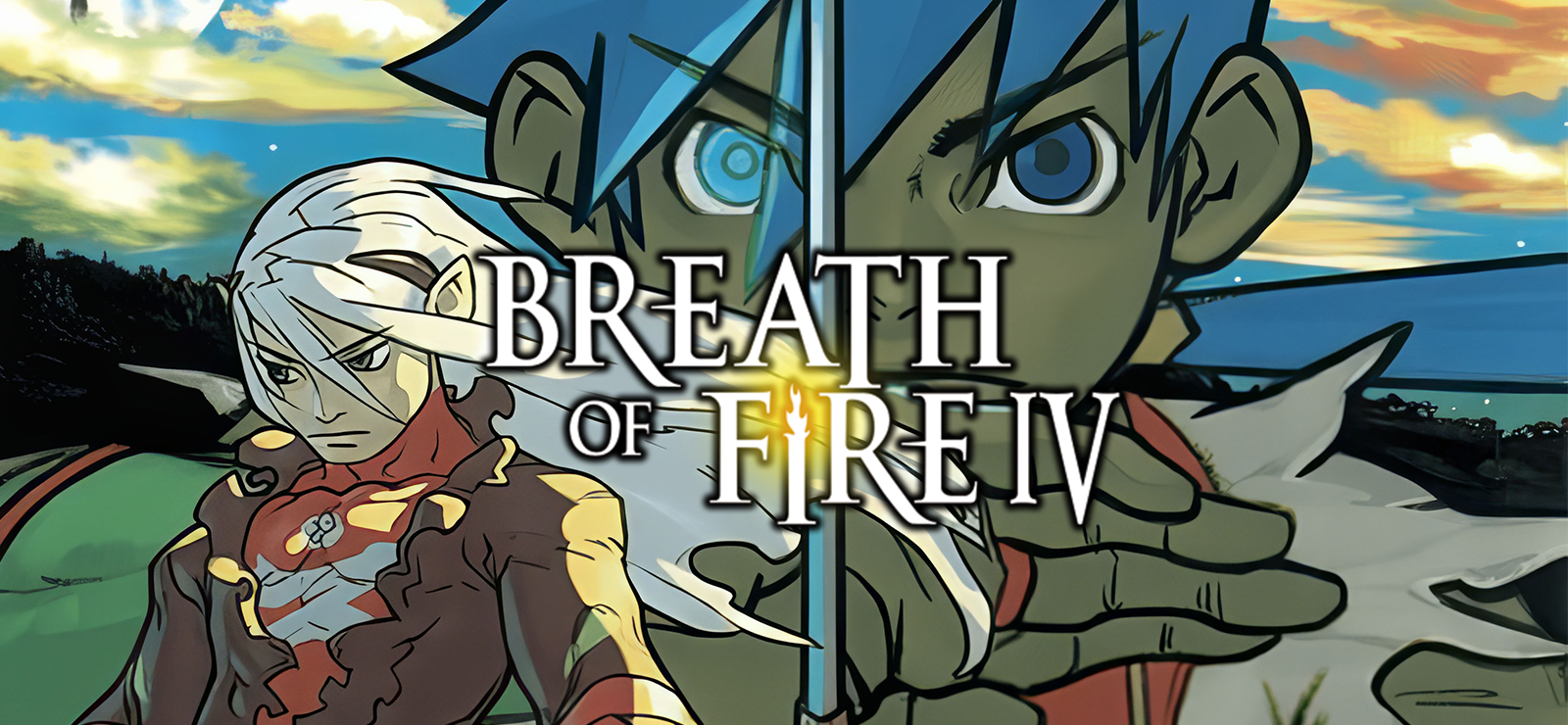
Thank you! I’m happy to finally see this game on GOG as well. As for the fix, this was actually a great example of our community making it clear that we had missed something. I strongly believe that our users and their passion are among the greatest strengths of the GOG Preservation Program. It often feels like we’re working together to keep these games alive in the best possible form.On Breath of Fire III and its Chinese PC port: that’s one I have to leave unanswered. Specific titles live under NDAs, and we’ve already covered how long and layered these processes can be, so I won’t pretend this one would be quick or simple.
What actually helps: vote for it on the GOG Dreamlist, and leave a memory while you’re at it. Those player stories are exactly the kind of thing we put in front of rights holders when we make the case for a game.
Marcin Paczyński:
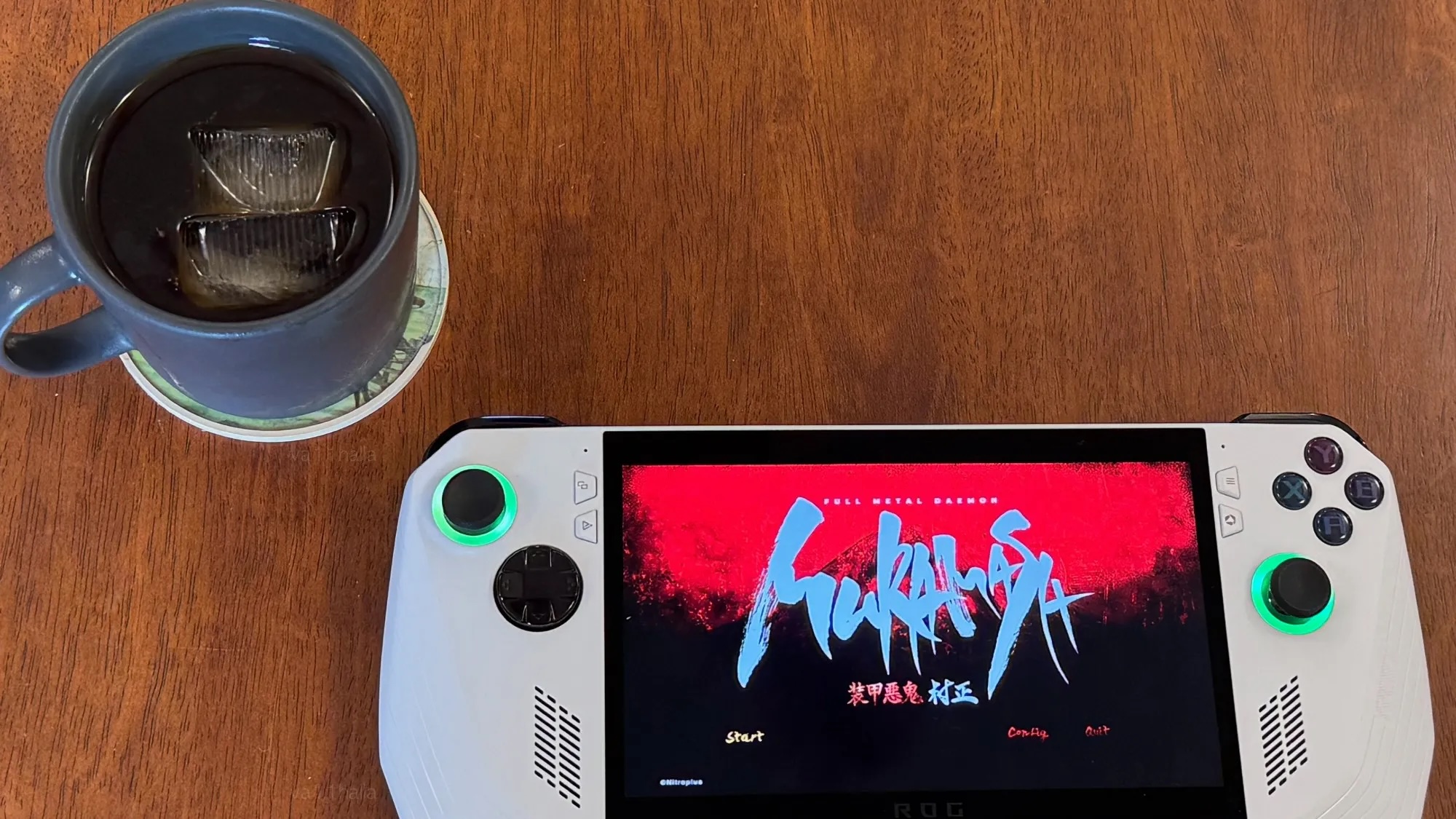
We would love to be able to offer our users more and more day-one huge releases without DRM. Hopefully, some day this will be possible.Marcin Paczyński: I’m a big fan of the series, and I’d love to see it on GOG someday. However, online multiplayer games are something we haven’t yet figured out how to properly include in the GOG Preservation Program. That said, it’s a personal goal of mine!
Advertisement. Keep scrolling for more
Marcin Paczyński: Yes, absolutely. Two things we believe in meet here: players’ freedom of choice, within the limits of the law, and game preservation. We curate GOG by our own standards, and other stores’ decisions are their own business. What matters to us is that when a game can’t find a place elsewhere, it can still find a home on GOG, because every game that drops out of circulation is a game that may be lost for good.
Piotr Gnyp: It was a pleasure. Santa Ragione is a small team with a lot of passion and a very clear vision, and Horses is exactly the kind of bold, strange game that deserves to reach players. It didn’t align with the typical focus of the larger storefronts, so we’re glad players can simply buy it and play it on GOG. Teams like that make our job easy.
Piotr Gnyp: It does take real work. We track releases and updates across the market and work with publishers and developers to keep builds in sync, and that effort never really stops. But the results are there: today, most games on GOG get their updates on par with other stores.
I understand the hesitation, but it’s often based on old impressions rather than the current state of things. And when something does slip out of sync, tell us. Those reports go straight to the right team.
Marcin Paczyński:
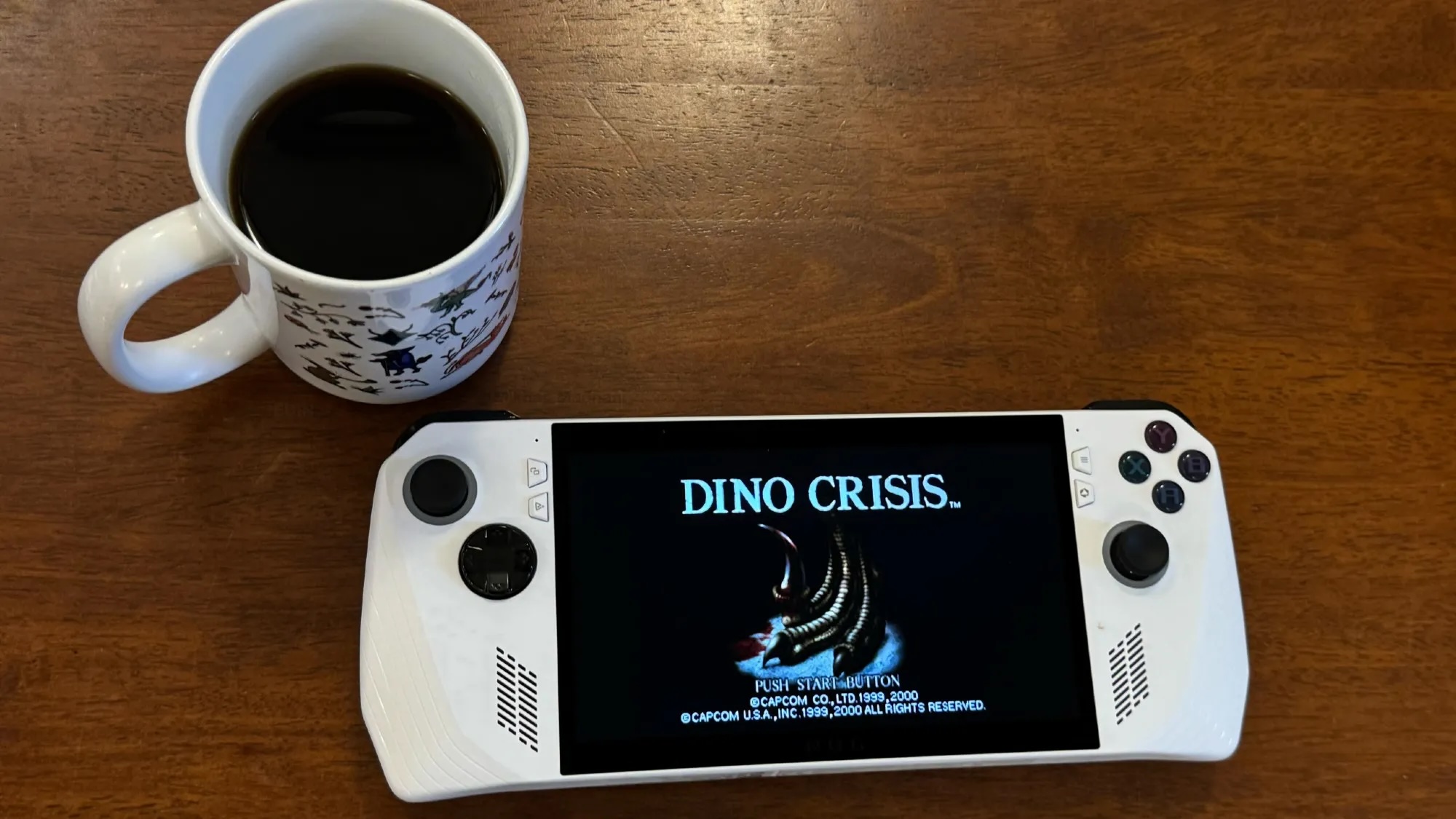
The Capcom releases, without hesitation. Bringing back Resident Evil and Dino Crisis did more for GOG’s visibility than almost anything else in recent years: it showed players that the biggest classics can come back done right, and it showed rights holders, especially in Japan, what a classic release can look like on PC. I won’t share sales numbers, but these games reached a lot of players, and that momentum is visible across the store.Capcom have been fantastic partners through all of it, demanding in the best sense, and we would love to do more together. That is no secret.
![[Humble] Liminal Spaces (Pay $10 for The Cabin Factory, The Backrooms: Survival, LIMINAL WATERS, Within the Backrooms, Liminal Exit, LIMINAL SHIFT)](https://jobssz.com/wp-content/uploads/2026/07/SO0oMZQ5lLLEu8RDatEzeUZkXDD7TE6md9Y39LvTRQU.jpeg)