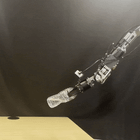
Fun demos and findings: a decoupled parallel wrist
 |
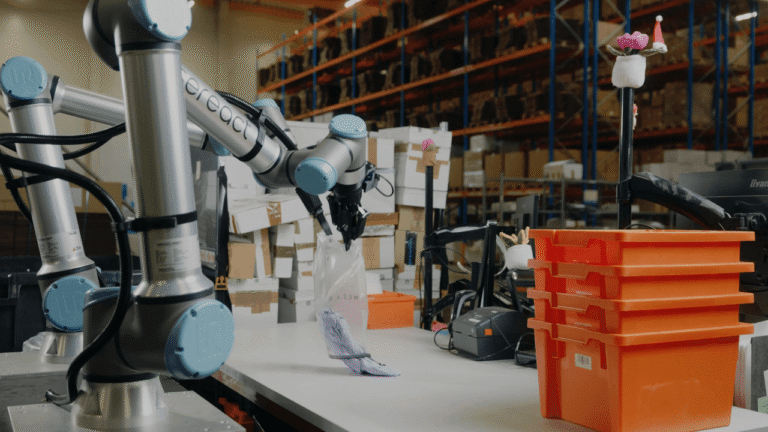
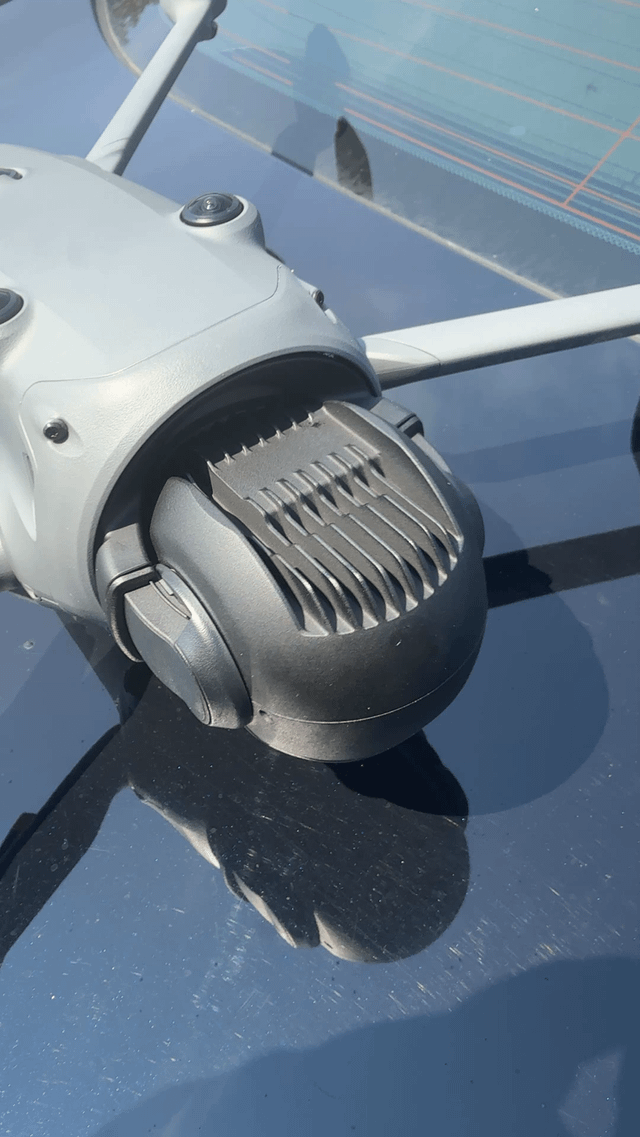
Came across the recent DexWrist paper out of MIT and some fun demos. Researchers point out an interesting mechanical issue: standard serial wrists (like the ones on a UR3e or Franka) are often too stiff and bulky. In tight spaces, they force human operators into awkward, large arm movements just to reorient the gripper, which makes teleoperation slow and messy. They built a compact, decoupled parallel wrist using QDD actuators (integrated onto an AgileX Robotics PiPER base) that co-locates the pitch and yaw axes, much like a human wrist. Because it moves so much more intuitively, human teleoperation time dropped by up to 2.2x. The models trained on this cleaner data then saw a 50-76% relative improvement in success rates for contact-rich tasks. So to what extent hardware choices quietly shape robot learning data quality? submitted by /u/Alone-Cantaloupe-210 |