Gene.01 Humanoid Robot was Built in Six Months to Sense and Share the Workspace
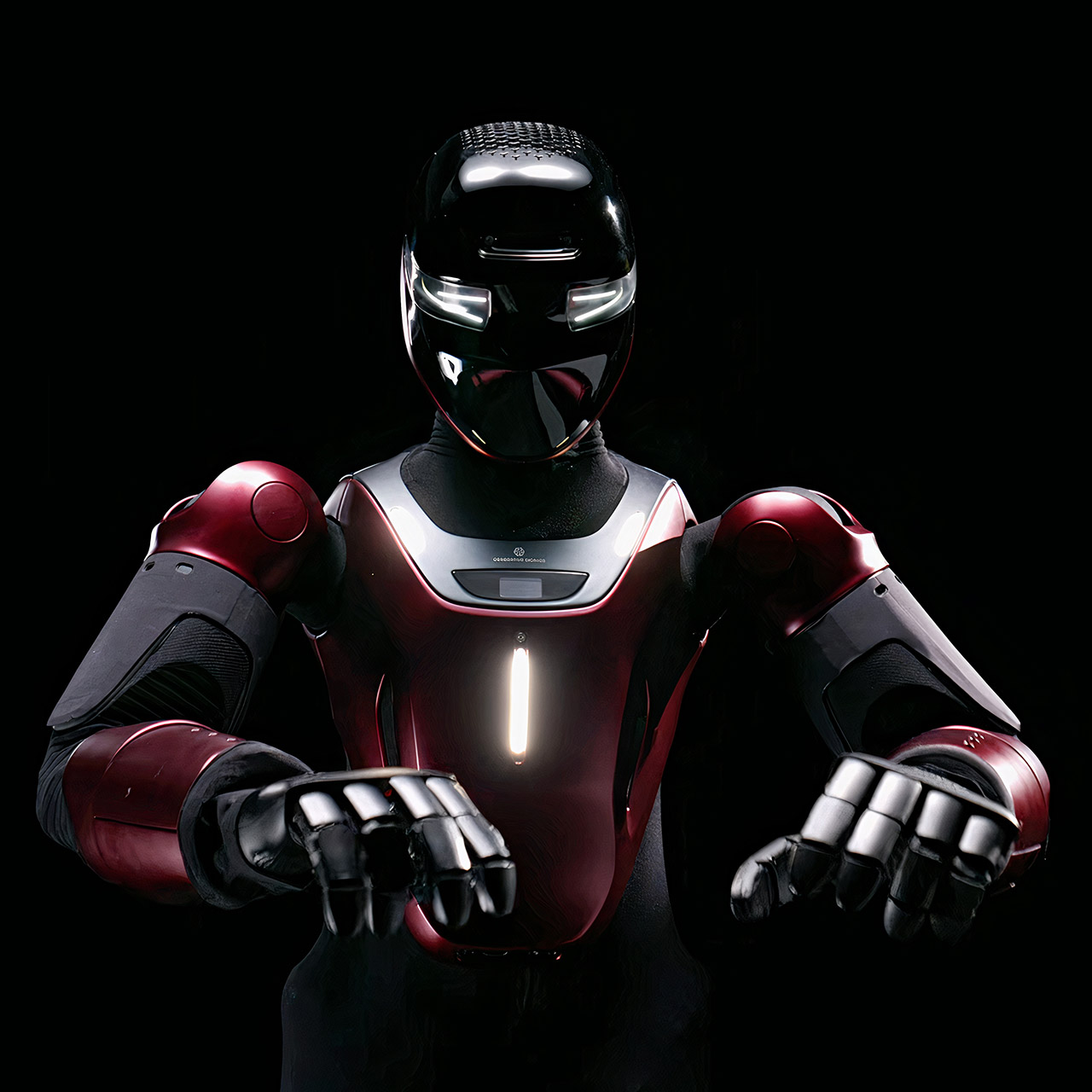
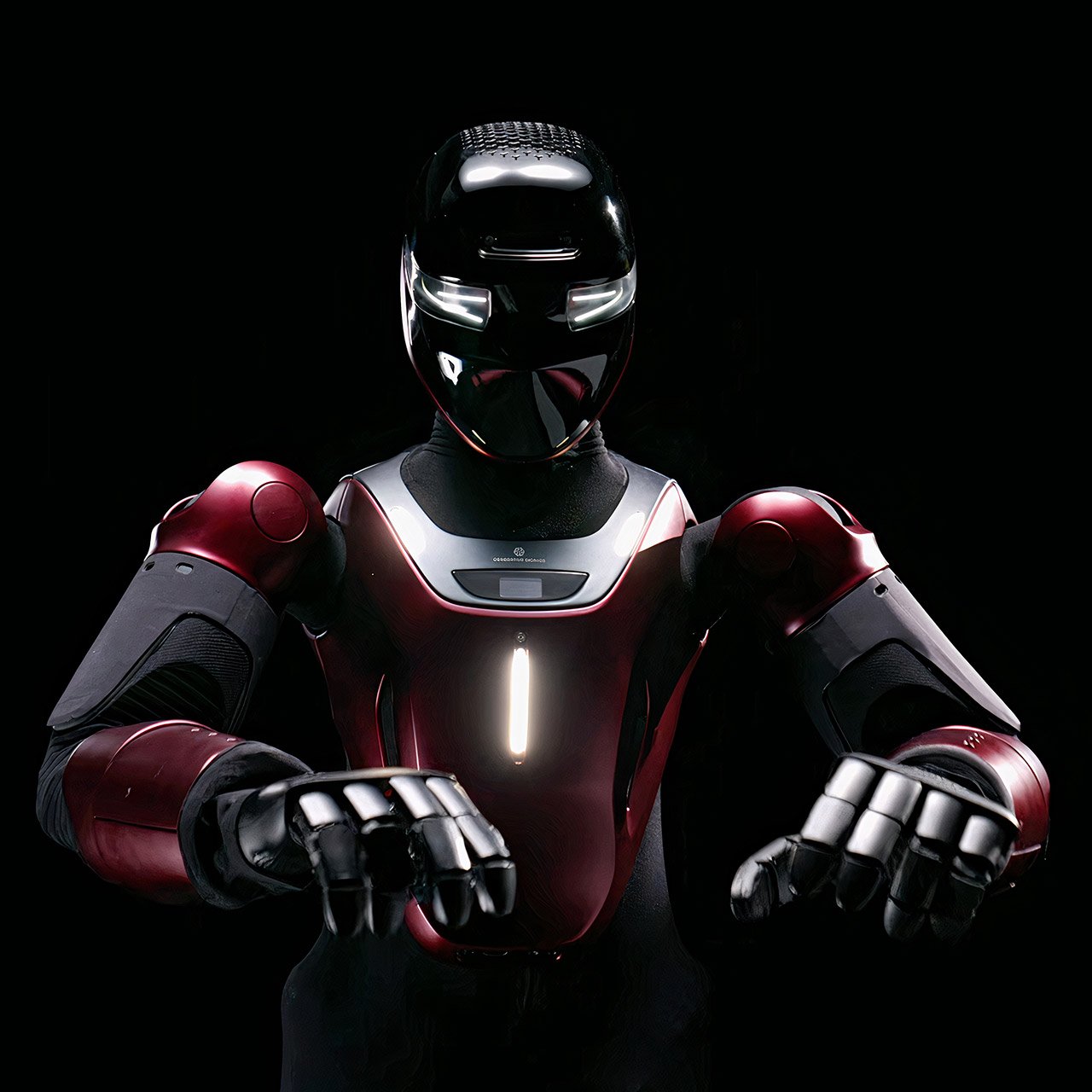
Italian engineers in Genoa just showed a humanoid that went from concept sketch to walking, sensing machine in half a year. Generative Bionics revealed Gene.01 at AMD’s Advancing AI event in San Francisco, presenting it as a ready platform rather than a distant laboratory project. The same team that showed a concept at CES in January delivered a complete, sensor-equipped robot by July.
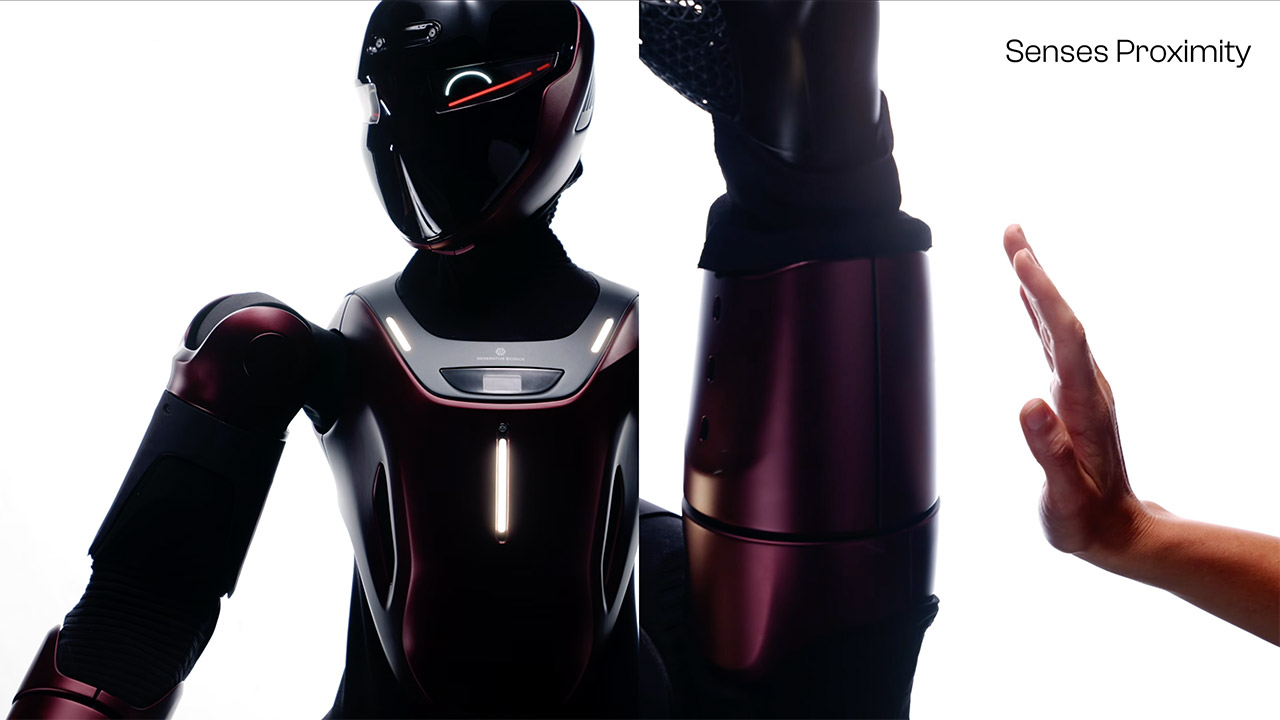
What first strikes you about Gene.01 is the way it’s covered in a layer that allows it to sense touch, temperature, proximity, and pressure all at the same time. This allows the machine to detect when someone is approaching and modify its own location or course before they even touch it. When someone makes touch, the pressure data continues to flow in, providing the robot with a steady stream of information about where the pressure is coming from and how hard it is being applied. As a result, engagement with the robot seems far less abrupt and more natural.

Unitree R1 Humanoid Robot (White, R1 Air)
- Three models, one lightweight platform R1 Air (20 DOF, monocular camera), R1 (26 DOF, binocular camera, head+waist joints), and R1 Edu (26 DOF…
- Easy setup – no coding required for basic use Unbox, power on, and start. Manual teaching feature: physically pose the robot, and it replays the…
- More DOF = more expressive movement 26‑DOF models (R1 / R1 Edu) add head and waist articulation for smoother dance and running. For safety reasons…
That force information also influences how people teach the robot new tricks. An operator can lead an arm through an action while also giving the robot feedback on how firmly to grip or press. Just watching a video is often insufficient; all important contact details are lost; however, with the skin on the robot, the demonstration includes both the path the arm is taking and the effort being put in, so the robot has a much clearer picture of what ‘tight enough’ actually looks like when it goes to repeat the job on its own.
The control system treats the entire body, including the mechanical design and decision-making process, as a one long continuous flow. The robot’s model, as well as the models of the human workers around it, are fed into the same optimization loop. From the start, this loop takes into account everything from balance and walking to joint loading and the amount of space required by those around it. This is all based on years of study at the Italian Institute of Technology, as well as a publication published in Nature Machine Intelligence that discusses the same process on an earlier research platform; Gene.01 is the first industrial version of that work.
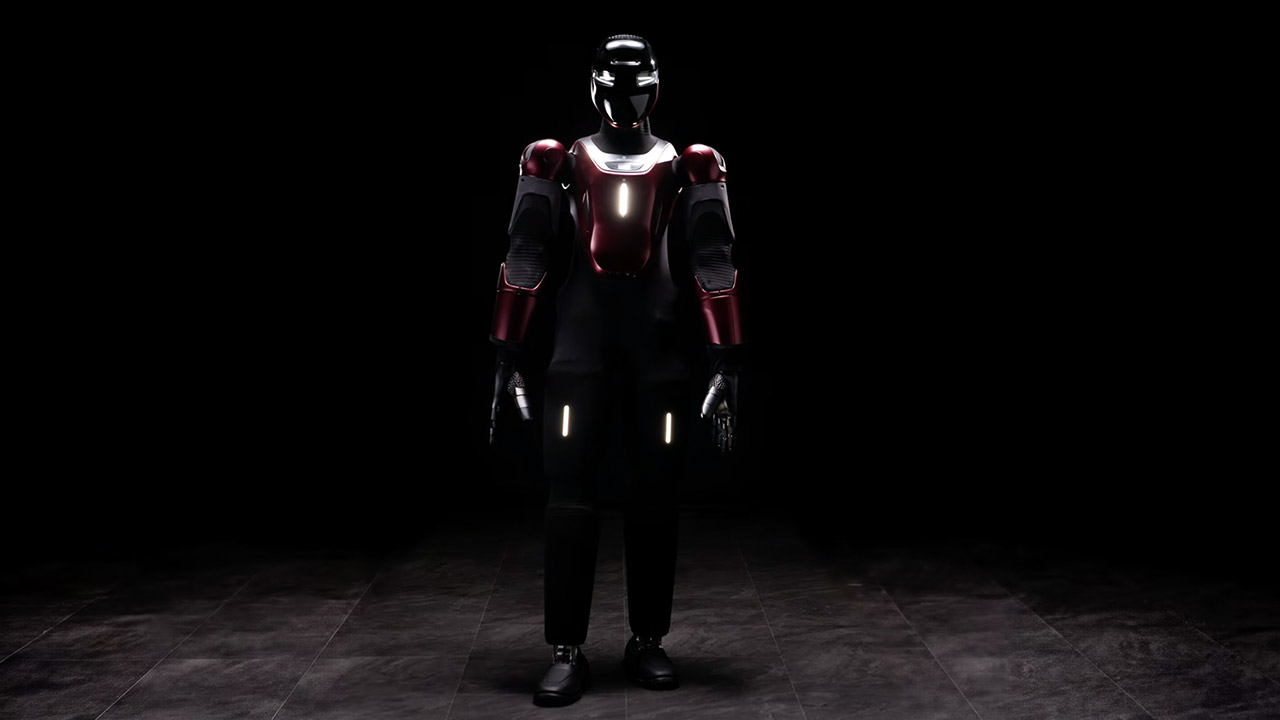
Generative Bionics does not present Gene.01 as a finalized product ready for use in any factory. It’s more of a foundational platform that can be customized in three main areas. The operation’s brain can be programmed for a specific type of job. The outer shell can be customized to meet a specific location, and the hands and feet can be replaced with the appropriate equipment for the job. The first real-world example is already underway at shipbuilder Fincantieri, where the hands will be transformed into welding equipment ideal for the confined and difficult-to-access places common in shipyards. We anticipate to see some tests later this year.
Teams can begin using the platform before receiving a physical unit to operate with. You can download a digital model of Gene.01 and run it in the same simulation or planning software you now use. All you have to do is run a single command to pull in the robot’s description and get a good notion of how it will perform in real life, given its current geometry and sensor configuration.