Gesture Controlled Robot Market in Asia-Pacific | Report – IndexBox
Asia-Pacific Gesture Controlled Robot Market 2026 Analysis and Forecast to 2035
Executive Summary
Key Findings
- The Asia-Pacific gesture controlled robot market is projected to expand at a robust 18–22% compound annual growth rate from 2026 through 2035, driven by industrial automation upgrades, semiconductor fabrication expansion, and the region’s dominant electronics manufacturing base.
- Integrated systems account for roughly 55–60% of regional market value, while components and modules contribute 25–30% and consumables and replacement parts make up the remaining 10–15%, reflecting a mature installed base with recurring aftermarket demand.
- China alone represents approximately 35–40% of Asia-Pacific demand, with Japan, South Korea, Taiwan, and Southeast Asian manufacturing hubs collectively adding another 40–45% of regional consumption.
Market Trends
- Demand is shifting from standard gesture recognition modules toward integrated robotic systems with embedded vision processing, inertial sensing, and edge-AI inference, pushing average system prices upward despite component-level price erosion.
- Semiconductor and precision manufacturing applications are growing at 20–25% annually, outpacing general industrial automation, as cleanroom-compatible and ESD-safe gesture control solutions gain traction in wafer handling and inspection equipment.
- Supply chain regionalization is accelerating, with gesture sensor fabrication, printed circuit board assembly, and final system integration increasingly concentrated within Asia-Pacific electronics corridors, reducing lead times from 12–16 weeks to 6–10 weeks for standard configurations.
Key Challenges
- Component-level price volatility for infrared sensors, time-of-flight modules, and MEMS inertial units creates margin pressure for system integrators, with input costs fluctuating 8–15% year-over-year depending on semiconductor supply conditions.
- Supplier qualification and quality documentation requirements remain a bottleneck, particularly for OEMs in automotive-grade and medical-adjacent applications where validation cycles extend 6–12 months beyond typical industrial procurement timelines.
- Regulatory divergence across Asia-Pacific markets complicates cross-border trade, as certification requirements for radio frequency modules, electromagnetic compatibility, and product safety vary significantly between China, Japan, South Korea, and Southeast Asian economies.
Market Overview
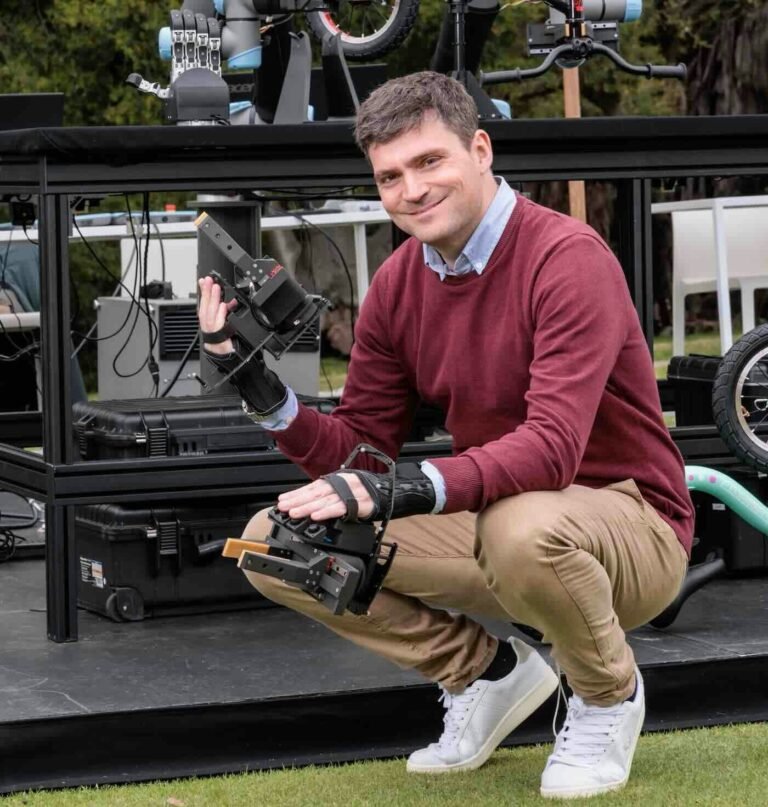
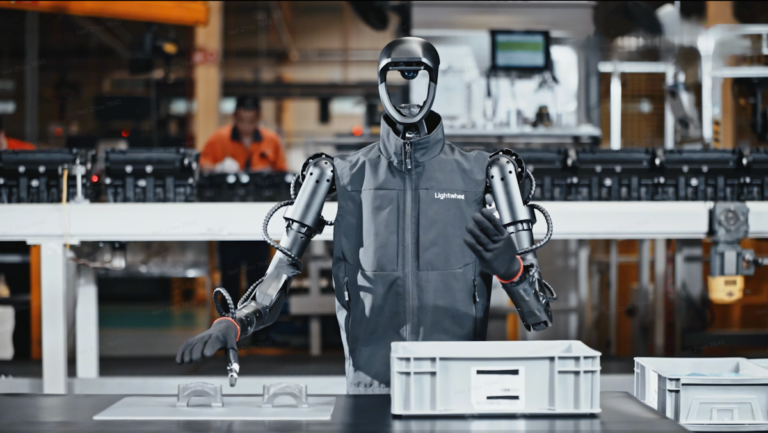
The Asia-Pacific gesture controlled robot market operates at the intersection of consumer electronics innovation, industrial automation, and precision manufacturing. Gesture controlled robots in this context are tangible electro-mechanical systems—ranging from articulated robotic arms to mobile platforms—that interpret human hand or body movements through optical sensors, inertial measurement units, and depth-sensing cameras, translating those gestures into commanded motion. The product category spans three distinct tiers: discrete components and modules sold to OEMs, fully integrated gesture controlled robotic systems delivered to end users, and consumables or replacement parts supporting installed equipment over its lifecycle.
The Asia-Pacific region is the natural epicenter for this market because it houses the world’s largest electronics manufacturing base, the most advanced semiconductor fabrication clusters, and a rapidly automating industrial sector. Demand in Asia-Pacific is not monolithic; it reflects a complex interplay between high-volume consumer electronics production in China, precision engineering in Japan and Taiwan, advanced semiconductor manufacturing in South Korea, and emerging automation adoption across Southeast Asia. The market’s value chain is deeply embedded in the regional electronics ecosystem, with gesture sensing modules, embedded processors, motor controllers, and communication interfaces all sourced within the region’s established supply networks.
Market Size and Growth
The Asia-Pacific gesture controlled robot market is on a trajectory of sustained double-digit expansion through the forecast horizon. Industry evidence points to a market growing at 18–22% annually between 2026 and 2035, with volume growth running slightly ahead of value growth in the early years due to component price erosion, before premium integrated systems rebalance the value equation in the latter half of the decade. This growth is anchored by three structural drivers: the ongoing replacement of conventional human-machine interfaces in industrial settings, the expansion of semiconductor fabrication capacity across the region, and the increasing sophistication of gesture recognition algorithms that enable new application classes.
Relative to the global market, Asia-Pacific accounts for an estimated 55–65% of worldwide gesture controlled robot demand, reflecting both the region’s manufacturing intensity and its role as the primary production base for the electronics components that enable these systems. The market’s growth is not uniform across the region; China, Japan, South Korea, and Taiwan collectively represent roughly 75–80% of regional demand, with China alone contributing 35–40%. Southeast Asian economies, particularly Thailand, Vietnam, and Malaysia, are emerging as faster-growing but smaller-demand centers, expanding at 25–30% annually from a lower installed base as their electronics manufacturing sectors mature and labor costs rise.
Demand by Segment and End Use
Demand in the Asia-Pacific gesture controlled robot market is best understood through a matrix of product types and application sectors. By product type, integrated systems dominate, representing 55–60% of market value, as end users increasingly prefer turnkey solutions that include gesture sensing, control electronics, actuation, and application software. Components and modules—gesture sensors, depth cameras, inertial measurement units, and embedded controllers—account for 25–30% of value, sold primarily to OEMs and system integrators who embed gesture control into their own equipment. Consumables and replacement parts, including calibration tools, sensor modules, and actuator components, contribute 10–15% and are growing in importance as the installed base ages.
By application, industrial automation and instrumentation is the largest end-use segment, representing approximately 45–50% of regional demand. This includes gesture controlled robotic arms in assembly lines, material handling systems, and inspection stations where operators need touchless control to maintain hygiene, protect against contamination, or operate in constrained spaces. Electronics and optical systems applications account for 20–25% of demand, driven by the region’s massive electronics assembly sector.
Semiconductor and precision manufacturing is the fastest-growing application at 20–25% annual expansion, as fabs and precision equipment makers adopt gesture control to minimize physical contact in cleanroom environments. OEM integration and maintenance applications round out the market, with equipment manufacturers embedding gesture control modules into original machinery and providing lifecycle support.
Prices and Cost Drivers
Pricing in the Asia-Pacific gesture controlled robot market spans a wide spectrum depending on system complexity, precision requirements, and application environment. Standard-grade integrated systems typically range from USD 2,500 to USD 8,000, covering basic gesture recognition with 2D cameras or infrared sensors, suitable for general industrial pick-and-place operations and simple material handling. Premium specifications, which incorporate time-of-flight depth sensing, multi-axis inertial measurement, ESD-safe enclosures, and cleanroom certification, command USD 12,000 to USD 25,000 or more. These premium systems deliver 40–60% price premiums over standard grades, reflecting the cost of higher-precision sensors, more robust actuation, and enhanced reliability testing.
At the component level, gesture sensor modules range from USD 15 to USD 120 per unit depending on sensing technology and resolution, while integrated depth cameras for high-precision applications run USD 200 to USD 800. The primary cost drivers are semiconductor content, optical components, and precision actuators. Input cost volatility is a persistent challenge, with sensor and processor prices fluctuating 8–15% year-over-year based on foundry capacity utilization and memory pricing cycles. Volume contracts for OEM buyers typically secure 15–25% discounts versus standard list prices, while service and validation add-ons—including calibration, environmental testing, and compliance documentation—add 10–20% to total procurement costs for regulated applications.
Suppliers, Manufacturers and Competition
The competitive landscape in Asia-Pacific’s gesture controlled robot market is fragmented but stratified, with distinct tiers of participants serving different customer needs. Specialized manufacturers of gesture sensing technology—companies with deep expertise in optical sensing, computer vision algorithms, and embedded processing—form the technology backbone of the market. These firms supply core components and modules to OEMs and system integrators, competing primarily on sensing accuracy, latency, power consumption, and algorithm robustness. Representative suppliers in this tier include established sensor and semiconductor firms with regional design centers in Japan, South Korea, and Taiwan.
OEM and contract manufacturing partners constitute the second competitive tier, integrating gesture sensing components into complete robotic systems. These companies compete on system reliability, application-specific engineering, and after-sales support coverage across the region. The third tier comprises distribution and service providers who stock standard products, provide local technical support, and manage spare parts logistics.
Competition in the Asia-Pacific market is intensifying as Chinese robotics manufacturers expand their gesture control offerings, leveraging lower manufacturing costs and aggressive pricing to gain share in Southeast Asian and domestic markets. Japanese and South Korean suppliers counter with higher precision, better reliability, and stronger compliance credentials, particularly for semiconductor and precision manufacturing applications.
Production, Imports and Supply Chain
Asia-Pacific’s production and supply chain for gesture controlled robots is deeply integrated with the region’s broader electronics manufacturing ecosystem. China is the dominant production base, hosting significant capacity for gesture sensor fabrication, printed circuit board assembly, and final system integration, particularly in the Pearl River Delta and Yangtze River Delta electronics clusters. Japan and South Korea contribute specialized capabilities in high-precision sensors, optical components, and precision actuators, while Taiwan plays a critical role in semiconductor fabrication and embedded processor supply. Southeast Asian economies, particularly Thailand and Vietnam, are emerging as secondary assembly locations, offering cost advantages and trade diversification benefits.
Despite substantial domestic production capacity, the Asia-Pacific market remains import-dependent for certain high-end components and specialized subsystems. Advanced time-of-flight sensors, high-resolution depth cameras, and precision servo actuators are partially sourced from suppliers outside the region, particularly for premium applications.
Import patterns suggest that the region relies on cross-border trade within Asia-Pacific for the majority of its component needs, with intra-regional trade flows connecting Chinese assembly operations with Japanese sensor suppliers, Taiwanese semiconductor foundries, and South Korean actuator manufacturers. Supply chain bottlenecks center on supplier qualification timelines, quality documentation requirements, and capacity constraints in advanced sensor fabrication, with lead times for qualified components ranging from 6–10 weeks for standard parts to 16–20 weeks for specialized high-precision components.
Exports and Trade Flows
Trade flows in the Asia-Pacific gesture controlled robot market are primarily intra-regional, reflecting the concentration of both production and demand within the region. China serves as both the largest demand center and the primary export hub, shipping integrated systems and components to Japan, South Korea, Southeast Asia, and increasingly to South Asian markets. Japanese and South Korean manufacturers export premium gesture sensing modules and precision actuators to Chinese integrators and to global markets beyond Asia-Pacific. Taiwan’s role as a semiconductor foundry hub positions it as a critical upstream supplier, exporting embedded processors and sensor interface chips to system integrators throughout the region.
Import dependence varies significantly by country and product tier. Southeast Asian economies, including Thailand, Vietnam, and Malaysia, are structurally import-dependent for gesture controlled robot systems, relying on Chinese and Japanese suppliers for both complete systems and components. India, while developing its electronics manufacturing base, remains a net importer of gesture control technology, with import patterns suggesting growing demand from its expanding industrial automation sector.
The region’s trade dynamics are shaped by tariff treatment that depends on product classification, origin, and applicable trade agreements, with preferential arrangements under ASEAN and bilateral agreements influencing cost competitiveness. Cross-border trade in gesture controlled robots is also influenced by compliance requirements, including radio frequency certification for wireless-enabled systems and electromagnetic compatibility testing, which add time and cost to regional trade flows.
Leading Countries in the Region
China stands as the undisputed demand center and production powerhouse for gesture controlled robots in Asia-Pacific, representing approximately 35–40% of regional demand. The country’s massive electronics manufacturing sector, rapid industrial automation, and government-backed initiatives to upgrade manufacturing technology drive substantial consumption. China’s domestic production capacity spans the full value chain, from sensor fabrication to final system integration, making it both the largest market and the largest supplier to other Asia-Pacific countries. The country’s role as a regional distribution hub is reinforced by its extensive electronics logistics infrastructure and competitive manufacturing costs.
Japan and South Korea represent the premium tier of the Asia-Pacific market, with demand concentrated in high-precision applications including semiconductor manufacturing, precision assembly, and advanced robotics. Japan’s demand is driven by its aging industrial workforce and strong automation culture, while South Korea’s demand is anchored by its semiconductor and display manufacturing sectors. Taiwan plays a dual role as a significant demand center for gesture controlled robots in electronics assembly and as a critical upstream supplier of embedded processors and sensor components.
Southeast Asian economies—particularly Thailand, Vietnam, and Malaysia—are emerging demand centers, growing from a smaller base but expanding rapidly as their electronics manufacturing sectors mature and labor costs rise. India represents a nascent but potentially significant market, with demand currently limited but expected to accelerate as its manufacturing sector modernizes.
Regulations and Standards
Regulatory and standards compliance in the Asia-Pacific gesture controlled robot market is multifaceted, reflecting the product’s dual nature as both an electronic device and a robotic system. Quality management requirements are foundational, with manufacturers expected to maintain robust quality systems aligned with international standards. Product safety and technical standards vary across the region, with China enforcing its own certification regime, Japan requiring compliance with its electrical appliance and materials safety laws, and South Korea mandating KC certification for electronic products. These national requirements create compliance complexity for cross-border suppliers, as certification processes are not mutually recognized across all Asia-Pacific markets.
Import documentation and certification requirements add procedural overhead to regional trade. Gesture controlled robots containing radio frequency communication modules—common in wireless-enabled systems—require radio certification in each market, with testing cycles adding 4–8 weeks to import timelines. Electromagnetic compatibility testing is also generally required, with test costs ranging from USD 2,000 to USD 8,000 per product variant depending on the market and testing laboratory.
Sector-specific compliance applies in certain applications; for example, equipment used in semiconductor cleanrooms may require additional certification for particulate emission and ESD safety, while systems used in food processing or pharmaceutical applications face hygiene and validation requirements. Manufacturers and suppliers that maintain multi-market certifications gain a competitive advantage, as they can serve regional customers without per-country qualification delays.
Market Forecast to 2035
Looking forward to 2035, the Asia-Pacific gesture controlled robot market is expected to continue its strong growth trajectory, with market volume potentially doubling or more from 2026 levels. The 18–22% annual growth rate projected for the forecast period implies that demand in 2035 could be roughly four to six times the 2026 baseline, driven by sustained automation adoption, technological advancement, and the expansion of addressable applications. Growth is likely to be front-loaded in the early forecast period as semiconductor capacity expansion and industrial automation upgrades accelerate, with growth moderating somewhat in the latter half of the period as markets mature and the installed base reaches higher penetration levels.
Premium segments are expected to gain share over the forecast horizon, with integrated systems incorporating advanced sensing, edge-AI processing, and enhanced reliability commanding a growing portion of market value. The replacement cycle for integrated gesture controlled robot systems, averaging 5–7 years in industrial settings, will generate recurring demand as the installed base expands. Southeast Asian markets are projected to grow faster than the regional average, potentially reaching 25–30% annual growth, while China’s growth moderates as its market matures.
The competitive landscape is likely to consolidate somewhat, with leading suppliers expanding their regional footprints and smaller players specializing in niche applications. By 2035, the Asia-Pacific market will likely be characterized by deeper integration between gesture control technology and broader industrial automation platforms, with gesture control becoming a standard interface option rather than a specialized feature.
Market Opportunities
The Asia-Pacific gesture controlled robot market presents substantial opportunities across multiple dimensions. The semiconductor and precision manufacturing segment offers the most significant near-term growth potential, with cleanroom-compatible gesture control systems representing a high-value niche where premium pricing is sustainable. Suppliers that develop ESD-safe, low-particulate, and chemically resistant gesture control solutions tailored to fab environments can capture meaningful share in this fast-growing application. Similarly, the electronics and optical systems segment offers volume-driven opportunities, with manufacturers embedding gesture control into assembly and inspection equipment serving the region’s massive electronics production base.
Aftermarket service and lifecycle support represent an underpenetrated opportunity, as the growing installed base creates recurring demand for calibration services, replacement sensors, and upgrade modules. Suppliers that establish regional service networks with rapid response times can differentiate themselves in a market where downtime is costly. The emergence of Southeast Asian manufacturing hubs creates opportunities for suppliers to establish local assembly and support operations, reducing logistics costs and lead times for customers in these fast-growing markets.
Finally, the integration of gesture control with emerging technologies—including collaborative robots, autonomous mobile robots, and AI-driven vision systems—opens new application frontiers. Suppliers that invest in software capabilities, particularly in gesture recognition algorithms and human-robot interaction frameworks, will be well-positioned to capture value as the market evolves from hardware-centric to solution-centric offerings.